Driencourt, Marzouki: Two Faces of Algeria Obsession?
DZWatch Exclusive: A curious phenomenon has emerged within Maghrebi and Mediterranean political circles. Two figures, seemingly disparate in background – a former French diplomat and an ex-Tunisian president – share a striking commonality: a persistent and systematic critique of Algeria.
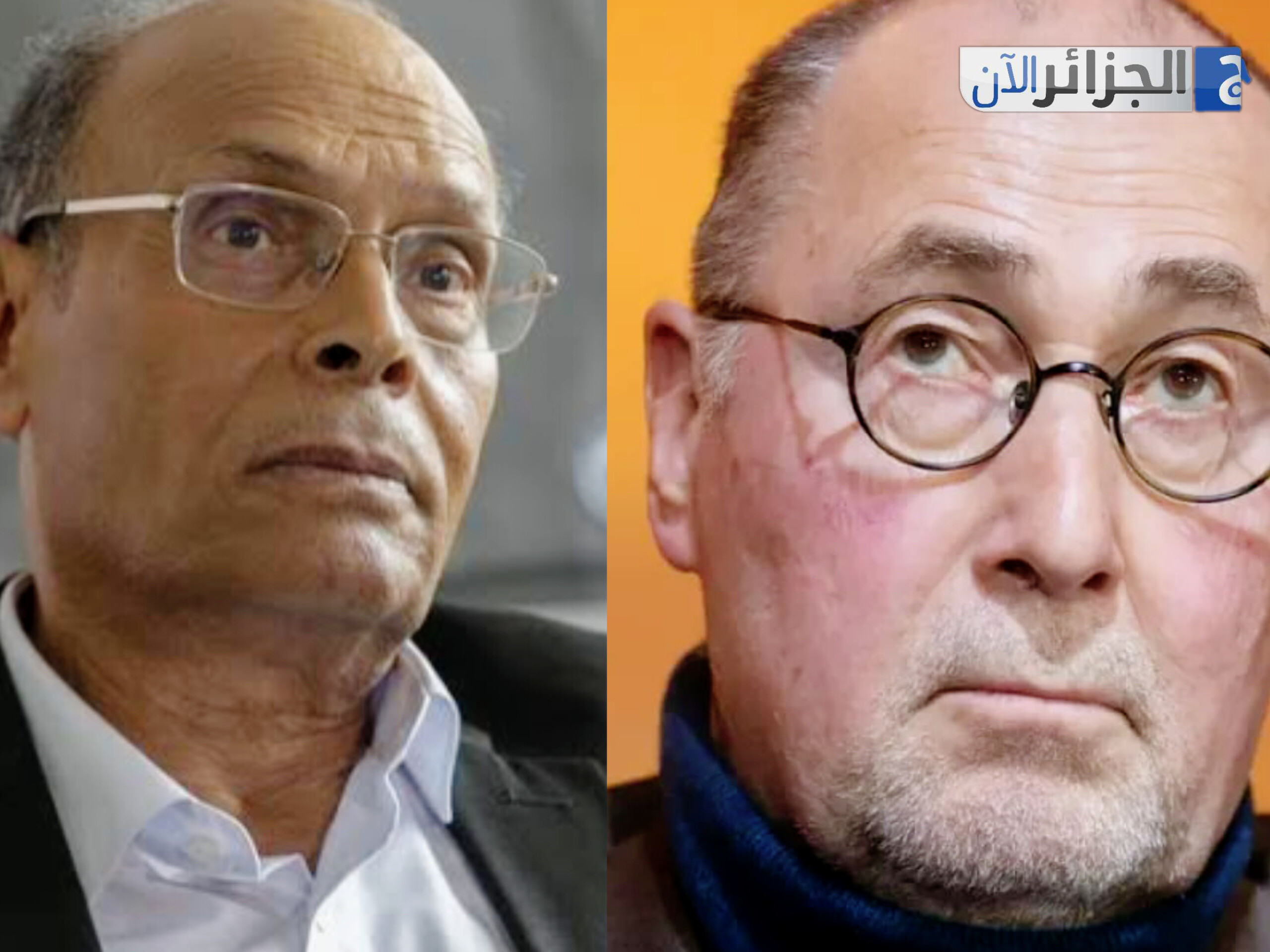
Xavier Driencourt, formerly France’s ambassador to Algeria, and Moncef Marzouki, the former president of Tunisia, appear as two sides of the same coin, fueled by what some might term an ‘Algeria complex.’ This fixation has manifested as a recurring theme in their rhetoric, prompting questions about the underlying motivations.
Driencourt, since his retirement, has seemingly transitioned into a political commentator, dedicating considerable energy to criticizing Algeria. It is noteworthy that Driencourt, who during his diplomatic tenure was ostensibly a bridge between Paris and Algiers, has become a prominent voice critical of Algeria within France after leaving his post. What compels a retired diplomat to engage in a sustained media campaign against a nation where he once represented his country? Is it personal disappointment, a failure in his diplomatic mission, or perhaps a deep-seated resentment towards a nation that resists French influence?
Driencourt’s frequent pronouncements in the French media reveal a palpable animosity. He doesn’t confine his criticism to specific policies or positions but attacks Algeria as a whole—its system, its people, and its direction. This sweeping condemnation suggests something beyond mere political disagreement; it hints at a lingering post-colonial complex, a resistance to the reality of an independent Algeria making its own decisions.
On the other side of the Mediterranean, Moncef Marzouki, the former Tunisian president, has also adopted a controversial stance. Marzouki, who is supposed to represent the Tunisian revolution and the values of freedom and independence, found himself in the position of a permanent attacker of Algeria, a country that has always been a support for Tunisia and a strategic ally. The surprising thing is that Marzouki, who is essentially a human rights doctor, chose to fully side with Morocco in the Western Sahara issue, ignoring all international legal data and UN resolutions.
The motivations behind these sustained attacks remain subject to speculation. However, the consistent nature of their criticism underscores a complex relationship between these figures and Algeria, raising questions about lingering historical, political, and perhaps even personal factors. DZWatch will continue to monitor these developments and provide in-depth analysis.