
Tunisian Opposition Figure Suspends Hunger Strike
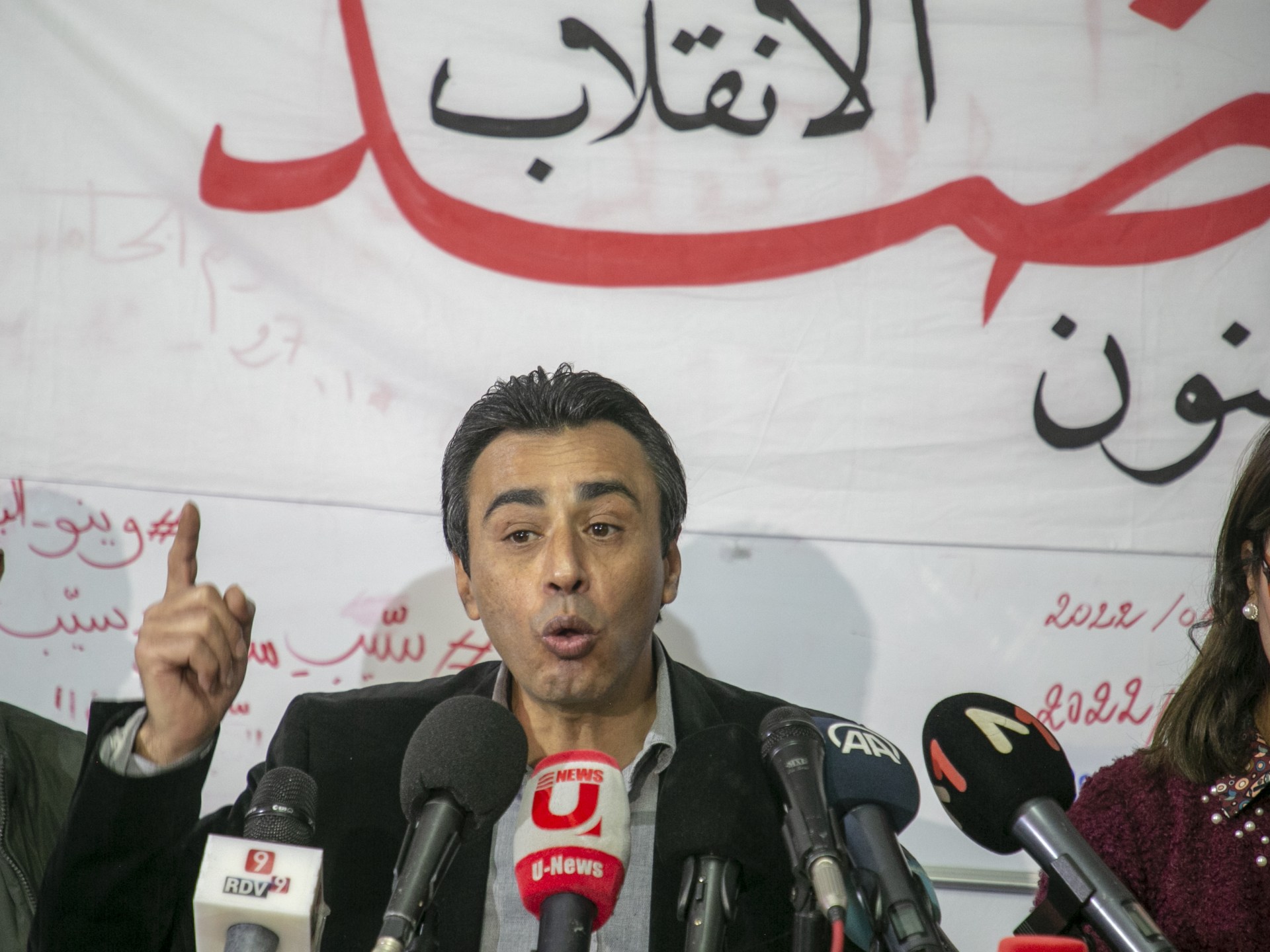
Tunisian opposition leader Jawhar Ben Mbarek has announced the suspension of his hunger strike, which lasted for 33 days. Ben Mbarek, a prominent figure in the National Salvation Front, had been protesting his imprisonment in Beli prison, located in the Nabeul Governorate in northeastern Tunisia.
In a statement released by his sister, lawyer Dalila Msaddek, Ben Mbarek explained his decision: “After 33 days of hunger strike, I announce to the public that I have decided to temporarily suspend the strike. This decision comes after the vibrant democratic street has proven its ability to carry the message, defend our voices and rights, and convey the suffering of political prisoners and the wounds of the nation to the national and international arena.”
Ben Mbarek emphasized his commitment to political activism despite the personal cost. “We chose the path of struggle with conviction, and we realize that the cost of resistance is high. We pay it with our health and bodies, but we believe that defending the homeland and its freedom is a duty that cannot be abandoned,” he stated.
His hunger strike coincided with widespread demonstrations in Tunisia, where citizens demanded the release of political prisoners, the restoration of freedoms, and a return to democratic governance. Ben Mbarek initiated his hunger strike on October 29th, protesting his arrest and initial 18-year prison sentence on charges of “conspiring against state security.”
Last Friday, the Tunis Court of Appeal issued prison sentences ranging from 10 to 45 years for those detained in connection with the case. The court also increased Ben Mbarek’s sentence from 18 to 20 years. The case has drawn criticism from human rights organizations and sparked concerns about the state of political freedoms in Tunisia.