Algeria Calls for Integrated Approach to Colonial Crimes
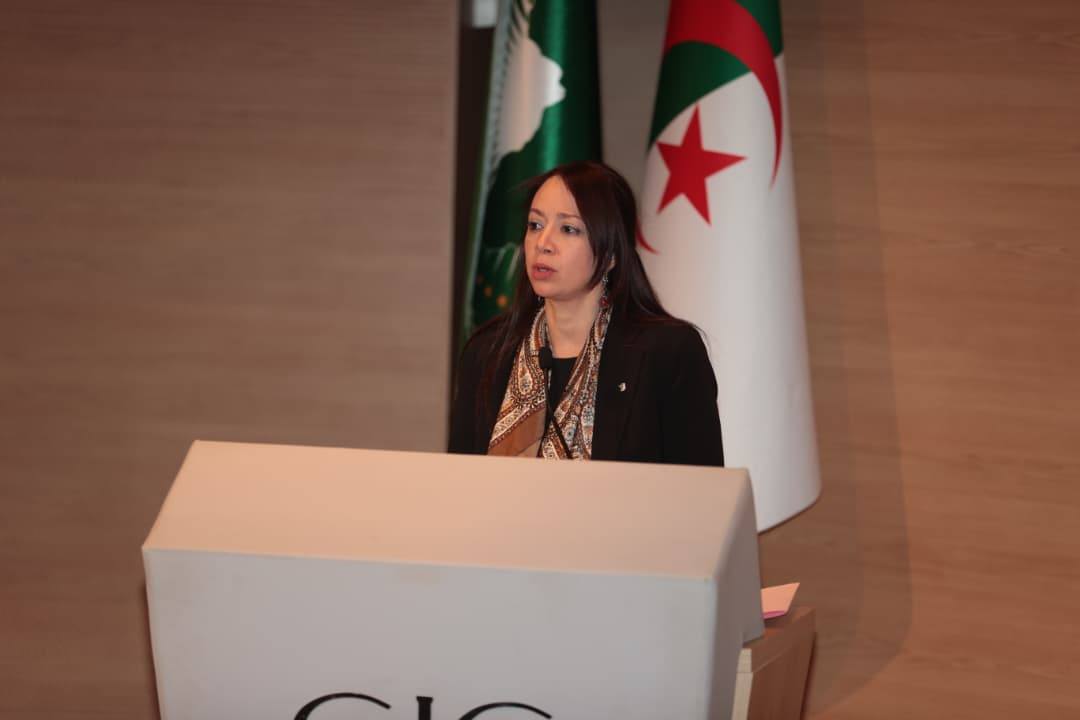
Algiers, DZWatch – Algeria’s Secretary of State to the Minister of Foreign Affairs, in charge of African Affairs, Selma Bachta Mansouri, stated that addressing the crimes of colonialism must evolve into a comprehensive political project, positioning Africa as a proactive force rather than a reactive one.
Speaking at the conclusion of the International Conference on Colonial Crimes in Africa, held at the International Conference Center, Mansouri emphasized that “the crimes of colonialism are not a matter of the past, but a living system of effects that continue to shape the paths of growth, instruments of power, and the balance of power on the continent.”
She affirmed that “dealing with these crimes cannot remain limited to condemnation alone, but must transform into an integrated political, legal, and economic project, placing Africa in a position of initiative, not reaction.” Mansouri further noted that “historical justice is not a symbolic matter but a powerful tool, a sovereign path, and a cornerstone for building a new Africa.”
Mansouri added that “Africa today possesses a new awareness that enables it to transform memory into a strategic tool for building international legitimacy.” She highlighted that the Algiers conference clearly declared that “Africa will not allow its history to be rewritten outside its institutions and will not accept memory remaining a tool in the hands of others.”
The Secretary of State stressed that “the continent’s economic future cannot be separated from historical justice. The crises facing Africa today are not solely the product of objective circumstances but are a direct result of systematic colonial policies.” She emphasized that the battle today “is not just about financial compensation but about resetting the terms of development, breaking cycles of dependency, and repositioning Africa within the global economy on a solid foundation.”
Furthermore, Mansouri underscored the importance of “strengthening the African Union’s position as a legal and institutional actor on the international stage,” noting that Africa now possesses “new mechanisms and experts capable of formulating coherent legal arguments and initiating practical international pathways.” She concluded that the next challenge is to “translate the intellectual dynamism witnessed at the Algiers conference into a sustainable institutional framework.”
This statement highlights Algeria’s commitment to addressing the lasting impacts of colonialism and advocating for a more equitable future for the African continent.