SDF’s Actions During Syrian Uprising: A Complicated Role
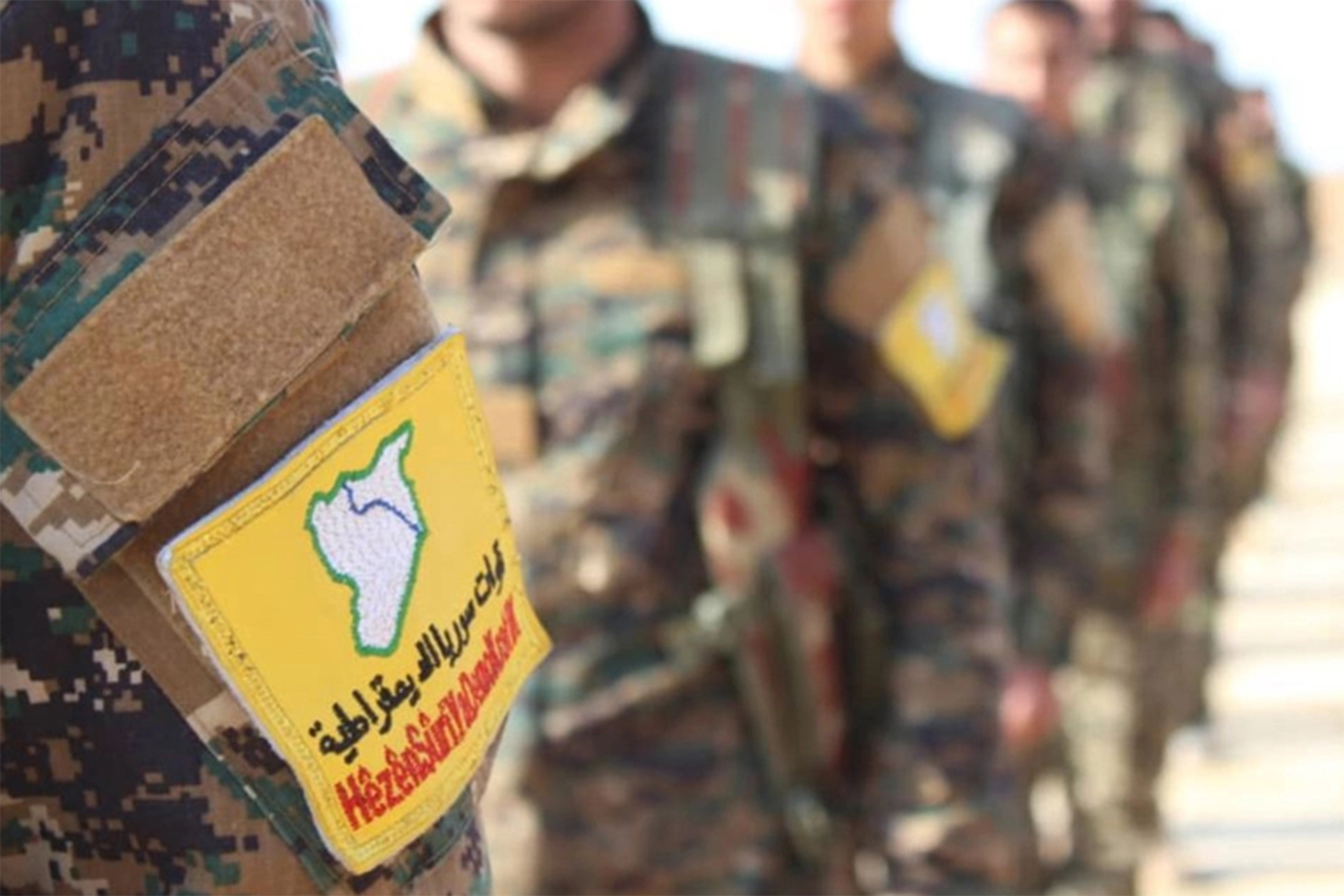
The relationship between Damascus and the Syrian Democratic Forces (SDF) remains complex. Despite a previously signed agreement, the SDF has yet to fully transfer control of the regions under its administration to the new Syrian state. This delay has raised concerns about the SDF’s commitment to a unified Syria.
Syrian President Ahmed al-Shara, in a televised interview in September, acknowledged a slowdown in the implementation of the agreement reached with SDF commander Mazloum Abdi in March. He suggested that the SDF does not fully represent the Kurdish population and that this may be contributing to the delays.
However, questions have arisen regarding the SDF’s actions during the pivotal “Deterrence of Aggression” campaign, which ultimately led to the ousting of President Bashar al-Assad. Reports suggest that the SDF attempted to exploit the military situation to expand its influence in northern and eastern Syria.
Expansion Attempts in the North
As the “Deterrence of Aggression” campaign gained momentum, the SDF reportedly sought to capitalize on the resulting power vacuum. These movements sparked protests and counter-military actions from other groups. While Syrians celebrated the liberation of territories previously held by the Assad regime, residents of Deir ez-Zor Governorate staged demonstrations against the SDF’s presence.
The Aleppo Incident
Specifically, the SDF allegedly attempted to exploit the opposition forces’ advance towards Damascus by moving from Manbij towards Aleppo International Airport. This maneuver was perceived as an attempt to disrupt the “Deterrence of Aggression” campaign. However, opposition factions intervened, thwarting the SDF’s plan and forcing them to retreat after suffering losses in the Jabal Rifaat area.
Despite this setback, the SDF maintained control over certain areas in the city of Aleppo and its eastern countryside.
Eastern Syria: A Temporary Expansion?
In eastern Syria, the SDF reportedly took advantage of the shifting dynamics to temporarily expand its control. The long-term implications of these actions and their impact on the overall stability of the region remain to be seen.