“Algiers Declaration” Calls for African Day to Honor Colonial Victims
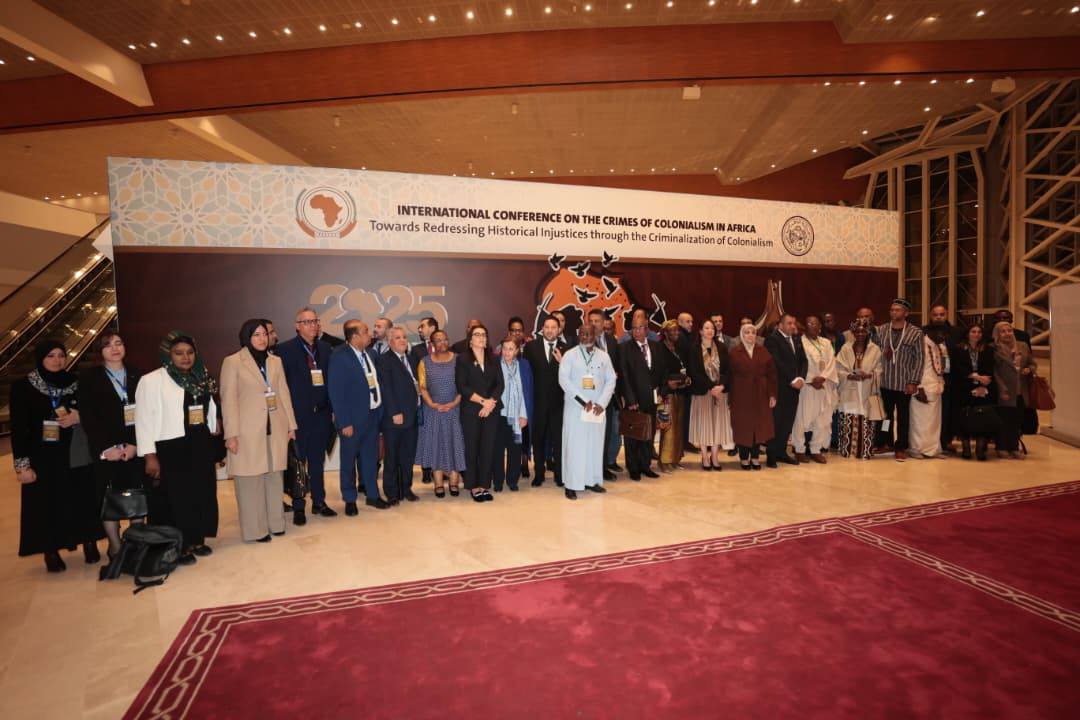
Algiers, Algeria – The “Algiers Declaration,” culminating the International Conference on Colonial Crimes in Africa, has called for the establishment of November 30th as “African Day for the Remembrance of Martyrs and Victims of the Transatlantic Slave Trade, Colonialism, and Apartheid.” This proposal, championed by Algerian President Abdelmadjid Tebboune, received strong support from conference participants.
The conference, held in Algiers over two days, saw attendees express their backing for President Tebboune’s initiative to create a dedicated African day of remembrance. November 30th, the opening day of the Algiers conference, was specifically suggested as the date for this annual commemoration.
Participants also conveyed their “deep gratitude” to President Tebboune for hosting the conference and acknowledged the “warm reception and the resources allocated to ensure the complete success of this significant event.”
The declaration states that the “Algiers Declaration represents a fundamental step towards recognizing the crimes of colonialism and serves as a practical means of providing Africa with sustainable tools for memory, truth, justice, and reparations for a just, prosperous, and generous future for generations to come.”
President Tebboune initially proposed the establishment of a day to honor victims of colonialism and apartheid during the African Union summit held in Addis Ababa in February.
Signatories of the document indicated that the “Algiers Declaration” will be presented to the 39th Ordinary Session of the African Union Heads of State and Government Conference, scheduled for February 2026, for approval. It is envisioned as the “first continental step towards criminalizing colonialism in all its forms and seeking compensatory justice.”
The International Conference on Colonial Crimes in Africa follows a decision by the African Union summit ratified in February 2025, which endorsed President Tebboune’s initiative to organize a conference in Algeria dedicated to commemorating the theme of 2025: “Justice for Africans and people of African descent through reparations.”