Afghan-Pakistan Talks Fail to Break Impasse
A fresh round of talks between Afghanistan and Pakistan has failed to achieve a breakthrough in resolving tensions between the two South Asian neighbors, despite an agreement to maintain a fragile ceasefire. Officials from both countries confirmed the lack of progress following the discussions.
The talks, held earlier this week in Saudi Arabia, represent the latest in a series of meetings hosted by Qatar, Turkey, and Saudi Arabia, all aimed at de-escalating tensions following deadly border clashes in October. The ceasefire, initially brokered in Doha, has largely held, but efforts to secure a longer-term agreement through follow-up talks in Istanbul last month failed to yield a peace accord.
The new round of discussions, reportedly initiated by Saudi Arabia, involved representatives from the Pakistani military, intelligence agencies, and foreign ministry. Both sides agreed to uphold the existing ceasefire. However, deep-seated disagreements persist, hindering progress towards a lasting resolution.
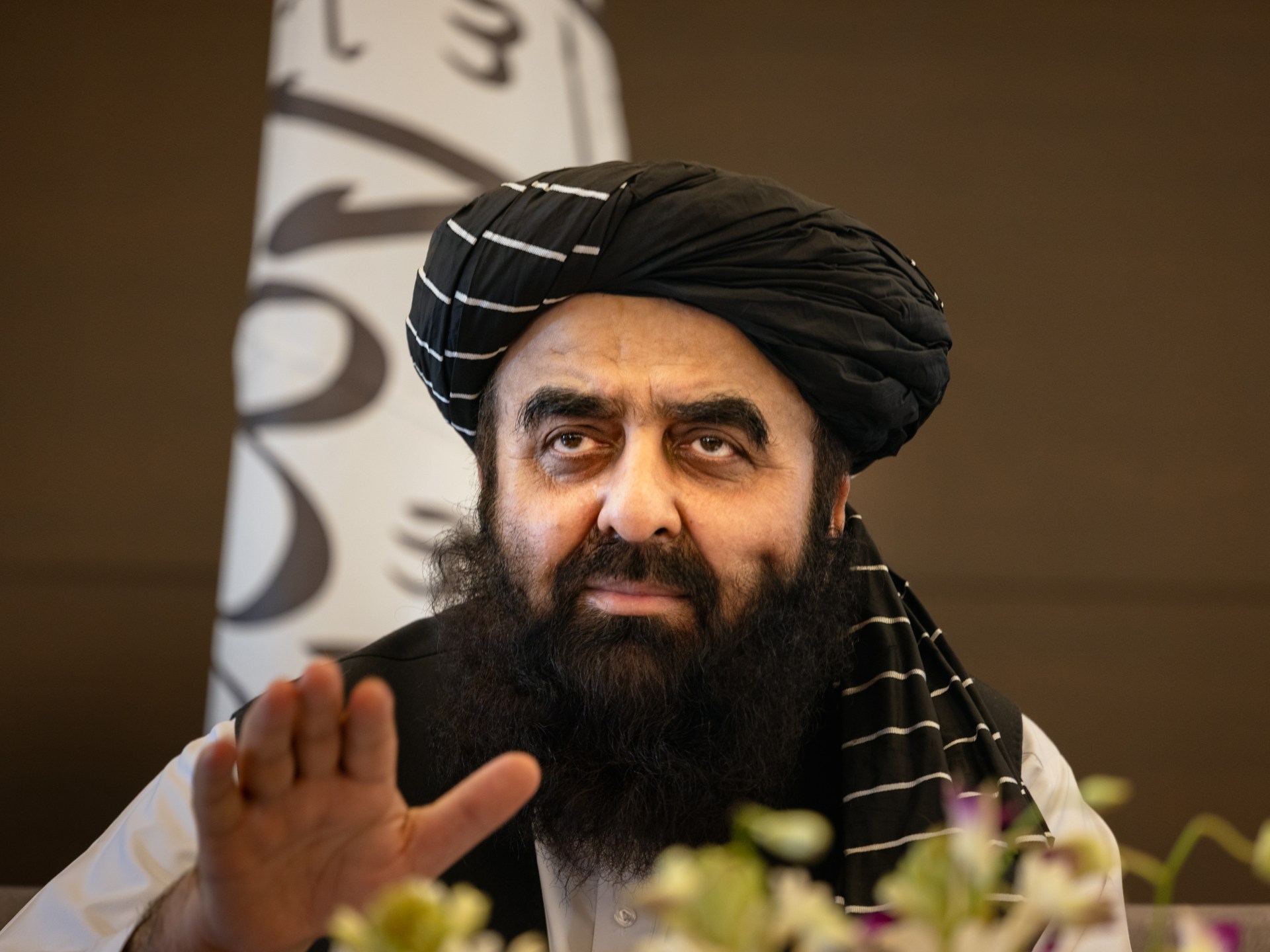
Islamabad accuses Afghanistan of harboring militants who launch attacks into Pakistan, including Afghan nationals. Kabul vehemently denies these accusations, asserting that it is not responsible for security conditions within Pakistan. Afghan Foreign Minister Amir Khan Muttaqi, while not commenting directly on the location of the talks or confirming they took place in Saudi Arabia, refuted Islamabad’s allegations. In statements to political analysts in Kabul, Muttaqi described the accusations as inconsistent and contradictory.
Muttaqi emphasized the Afghan government’s commitment to resolving issues through understanding and dialogue. He urged Pakistani officials to “focus on solving their fundamental problems and appreciate the constructive steps” taken by Afghanistan. Islamabad insists on a written commitment from Kabul to take action against anti-Pakistan militants operating within Afghan territory. However, the Afghan government maintains that it cannot be held responsible for guaranteeing security inside Pakistan.
A Pakistani official stated that military and intelligence officials participated in the talks, highlighting the security dimension of the strained relationship.