World Bank Signals Encouraging Growth for Algeria
Algiers – The World Bank has indicated that Algeria is showing promising signs of achieving stronger, more sustainable, and diversified growth, particularly due to positive economic performance in sectors beyond hydrocarbons and effective inflation control. This assessment was shared by a World Bank economist in Algiers on Wednesday.
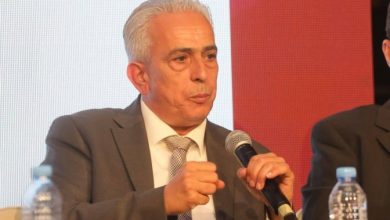
During a press conference held to present the institution’s bi-annual report on Algeria’s economic situation, Daniel Prinz, a World Bank economist based in Algeria, stated that easing price pressures and the strong performance of non-hydrocarbon sectors are encouraging indicators. He emphasized that sustaining this progress through continued reforms would be crucial for fostering more robust, sustainable, and diversified growth.
The report, titled “Responding to Climate Challenges and Promoting Sustainable Development,” highlights the Algerian economy’s continued momentum in 2025, with a growth rate of 4.1% in the first half of the year and a projected 3.8% for the entire year. The World Bank also noted a 5.4% growth in non-hydrocarbon sectors. Inflation decreased to 1.7% during the first nine months of the year, primarily due to lower food prices, a strong agricultural sector performance, and a stable exchange rate.
The bank described the growth recorded outside the hydrocarbon sector during the first half of the year as both strong and dynamic, driven by the resilience of various economic activities, household demand, investments, agricultural production, industry, and services. The international financial institution anticipates that private consumption will continue to stimulate the expanding services sector, while agricultural production will remain resilient, and investment will stay dynamic over the next two years.
Looking ahead, the World Bank projects economic growth of 3.5% in 2026 and 3.3% in 2027. It affirms that this growth will remain robust, supported by the non-hydrocarbon sectors and a recovery in oil and gas production.
During the same conference, economist Amel Hunaider noted that Algeria’s hydrocarbon production is expected to gradually increase due to rising quotas within the OPEC+ framework.