Regional Reorganization Bill Presented to Parliament
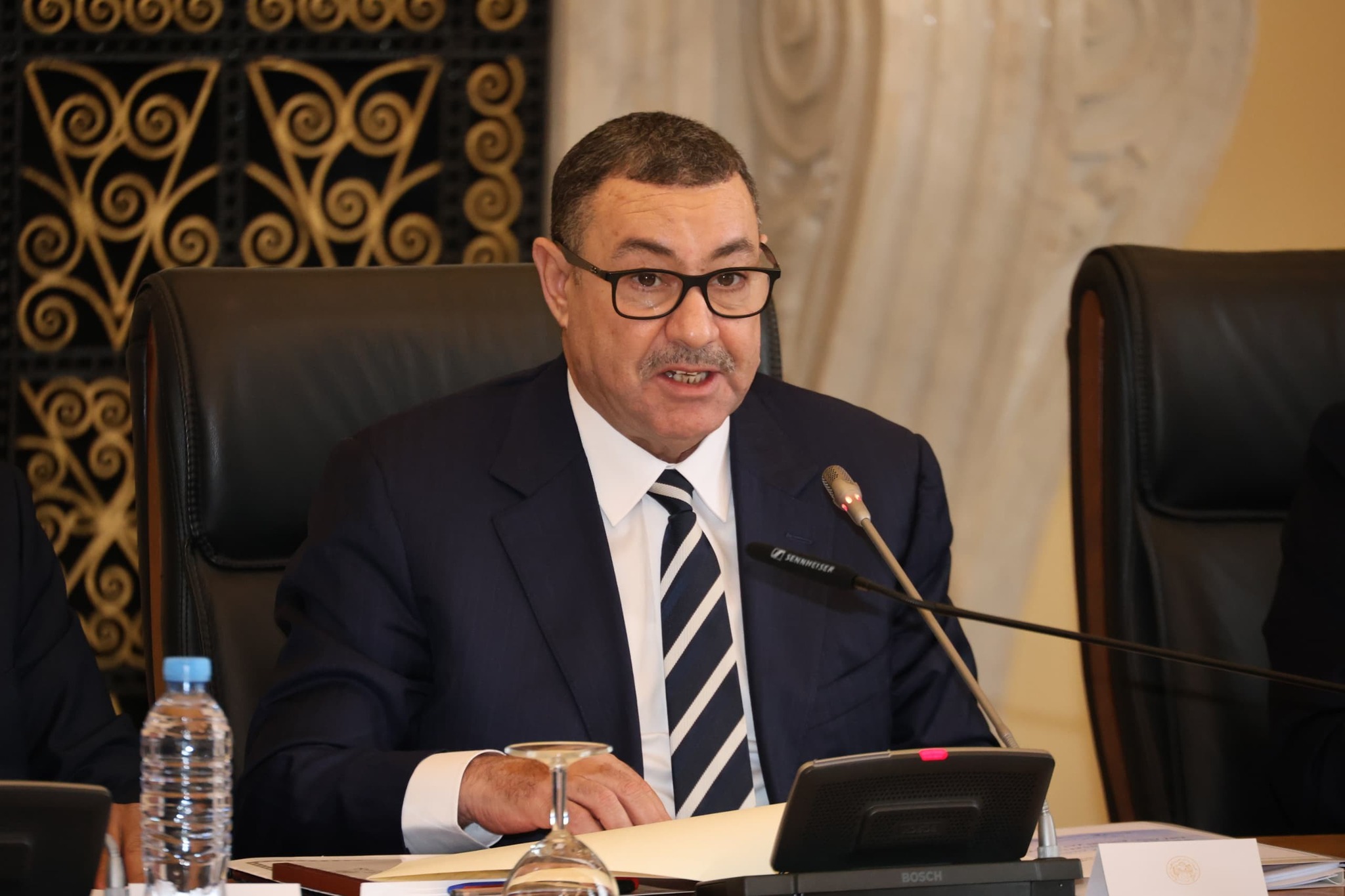
Algiers, DZWatch – Minister of Interior, Local Authorities, and Transportation, Said Saayoud, presented a draft law concerning the country’s regional organization to the Legal, Administrative Affairs, Human Rights, Local Organization, Regional Planning, and Regional Division Committee of the Council of the Nation on Thursday. This bill proposes significant changes to Algeria’s administrative map.
The Minister explained that the draft law, which amends and supplements Law No. 84-09 related to the country’s regional organization, primarily aims to elevate 11 administrative districts to full-fledged provinces (wilayas). This would bring the total number of provinces in Algeria to 69, encompassing 1541 municipalities.
Saayoud stated that this initiative is “in implementation of the directives of the President of the Republic, Mr. Abdelmadjid Tebboune, who has repeatedly emphasized the need to modernize the regional organization in line with demographic, economic, and social transformations.” The goal is to empower local authorities to fully exercise their functions and powers, thereby stimulating development, enhancing the attractiveness of regions, and improving the living conditions of residents, particularly in the High Plateaus and Southern regions.
The Minister recalled that the Council of Ministers, during its meeting on November 16, 2025, approved the promotion of these 11 administrative districts to provinces with full authority. These include Aflou, Barika, El Kantara, Bir El Ater, El Aricha, Ksar Chellala, Ain Oussera, Messaad, Ksar El Boukhari, Boussaada, and El Bayadh Sidi Cheikh.
Saayoud emphasized that this upgrade is “not merely a formal increase in the number of provinces, but a clear response to citizens’ aspirations to benefit from quality public services, less complicated procedures, and more equitable and balanced development opportunities.” He added that the decision will undoubtedly contribute to advancing, framing, and supporting development in these regions through the implementation of structuring investment projects that enhance the potential of these areas, create wealth-generating economic activities, and generate employment opportunities.
These newly established provinces cover an area of approximately 100,000 square kilometers, representing 43 percent of the total area of the original provinces. They have a population exceeding 2.5 million, which constitutes 25 percent of the total population of the original provinces. The new provinces include 40 districts and 108 municipalities, reflecting their significant demographic and administrative weight and underscoring the need to continue efforts to strengthen decentralization to improve governance.