EU Divided on Russian Asset Use; Issue Escalates to European Council
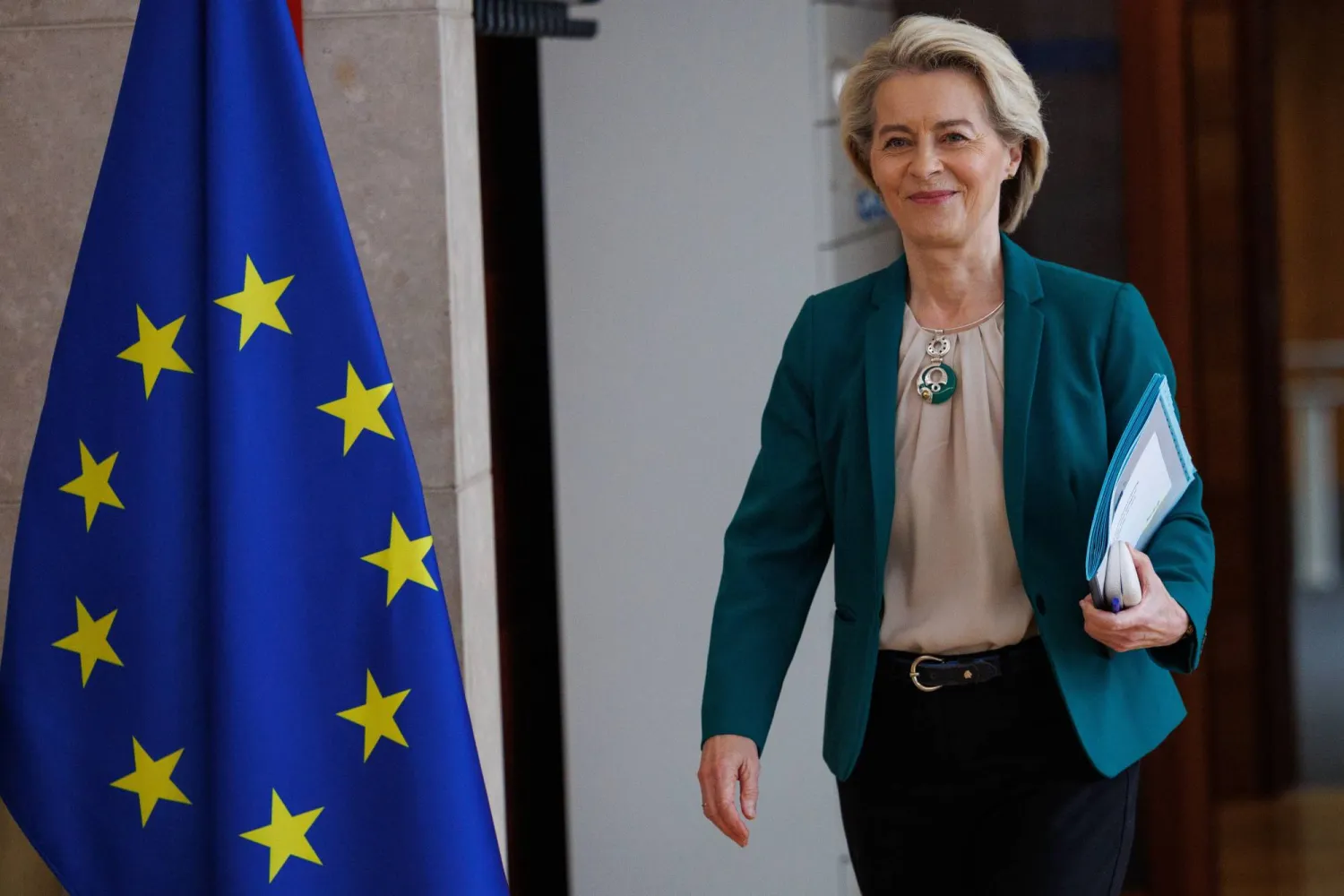
Deep divisions within the European Union regarding the utilization of frozen Russian assets to finance Ukraine have forced the issue to be escalated to the upcoming European Council meeting. European Commission President Ursula von der Leyen revealed that discussions with the German Chancellor and the Belgian Prime Minister failed to yield a consensus on the contentious proposal.
Von der Leyen stated, “I met with German Chancellor and Belgian Prime Minister to exchange views on the situation in Ukraine and frozen Russian assets. We agreed that time is of the essence given the current geopolitical developments.” She described the meeting as featuring a “constructive exchange of views” on the proposal.
However, significant hurdles remain. The European Commission President acknowledged, “The specific situation in Belgium regarding the use of frozen Russian assets cannot be ignored and must be addressed in a way that ensures an equitable sharing of risks among all European countries.” She conceded that no progress was made, and further consultations are necessary to reach an agreement during the European Council meeting scheduled for December 18th.
This impasse arises from the European Commission’s efforts to garner support for a scheme dubbed the “Reparations Loan,” aimed at securing funding for Ukraine’s military and financial needs between 2026 and 2027. Belgium previously blocked a plan to seize Russian assets during the European summit in October, demanding guarantees that any financial losses would be shared among member states. Consequently, a decision on the matter was postponed to the December 18-19 summit, with the European Commission tasked with developing alternative scenarios to financially support Ukraine.
Adding to the complexity, the Belgian parliament unanimously endorsed the Prime Minister’s stance against utilizing frozen Russian assets to grant Ukraine the loan, citing potential legal and financial ramifications. This internal support strengthens Belgium’s negotiating position within the EU.
Furthermore, the German Parliament overwhelmingly rejected a resolution proposed by the Green party, urging the German government to work within the G7 to transfer all frozen Russian assets in Europe to Ukraine. A representative from the Alternative for Germany party described the proposed confiscation as “dubious.” The lack of support in both Belgium and Germany highlights the significant obstacles to a unified EU approach.