Sudan’s Army Forced to Negotiate After Oil Hub Loss?
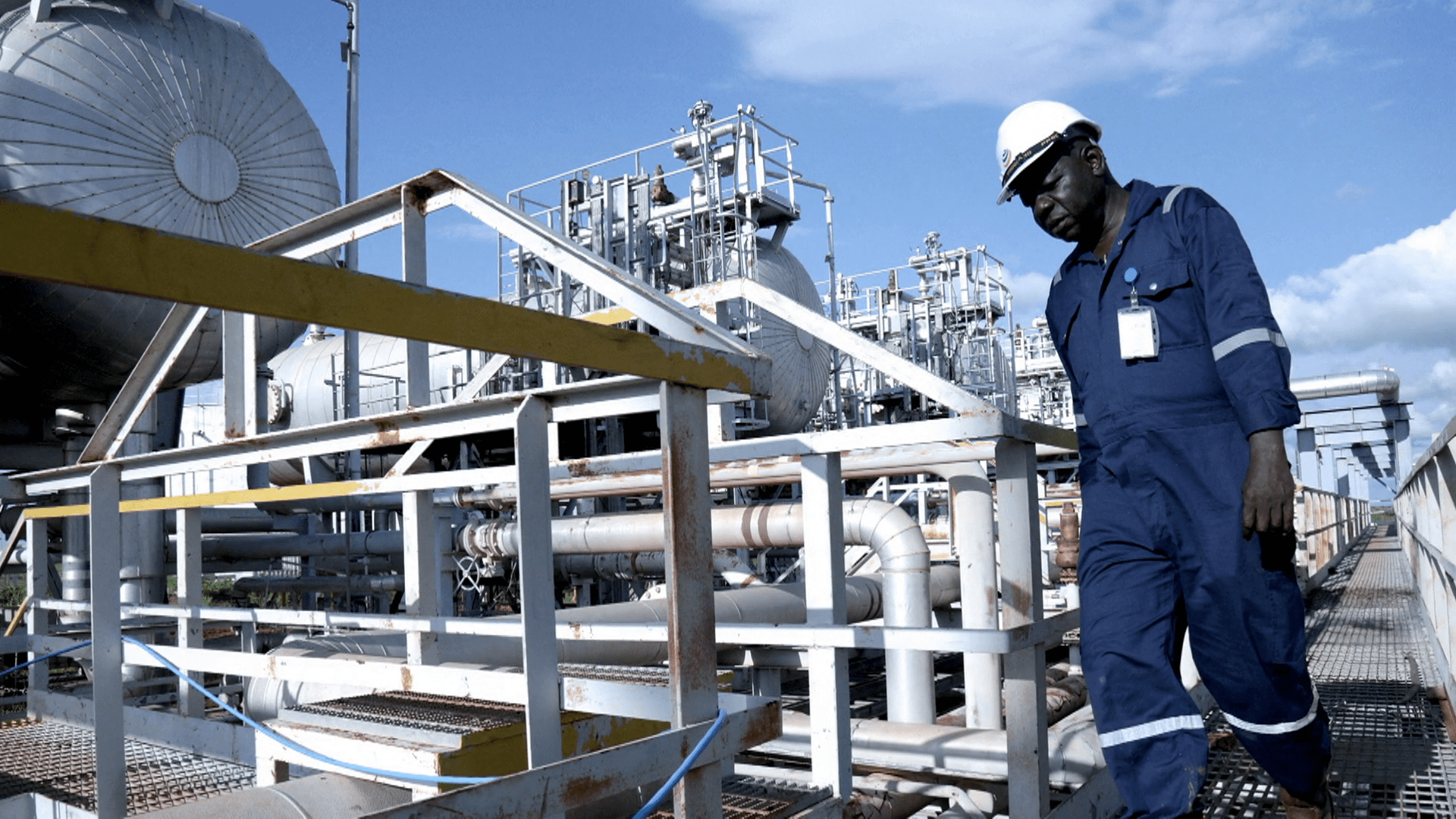
The recent loss of the Heglig oil field in West Kordofan has reignited critical questions about the future of the war in Sudan. With Khartoum losing a key economic asset, concerns are mounting that the balance of power may shift, potentially forcing a new political trajectory upon the warring parties.
Heglig, bordering South Sudan, has been a vital economic lifeline for the army. The state relied on its revenues to finance military operations and cover essential expenses. With the Rapid Support Forces (RSF) now controlling the area, and foreign companies suspending operations, the financial pressure on Khartoum is intensifying, directly impacting the Sudanese army’s ability to sustain the war.
The cessation of oil production not only deprives Khartoum of revenue but also undermines the country’s economic infrastructure at a time when the government needs increased resources to maintain supply lines. Losing Heglig could transition the army from an offensive posture to one of defending its remaining essential resources.
Politically, seizing the oil fields grants the RSF additional leverage. Control over Heglig, similar to the earlier capture of the Al-Jili refinery north of Khartoum, could become a bargaining chip to destabilize the government and weaken its hold on the ground. This transformation is a combined blow, economically draining the army and expanding the RSF’s political maneuvering space.
The significance of this development is amplified because the control of Heglig is not an isolated incident. It is part of a series of advances in West Kordofan. The RSF appears to be aiming to create simultaneous pressure points on El Obeid, Dilling, and Kadugli in Kordofan. This would force the army to confront multiple fronts simultaneously, stretching its capabilities and potentially impacting morale within the military establishment. The US is increasingly concerned by these developments.