
Labor Law Reforms Aim to Boost Youth Employment: Official
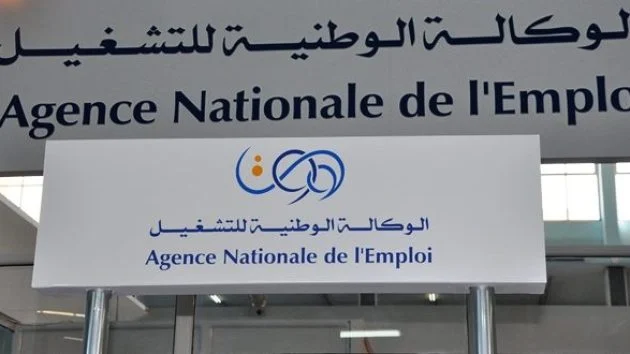
The Algerian government is planning significant reforms to labor market regulations, aiming to create more job opportunities for young people. This initiative comes in response to evolving economic conditions and the demands of the modern workforce.
Abdelkader Djaber, Director General of the National Employment Agency (ANEM), revealed that the proposed changes involve a review and adaptation of existing laws governing the labor market. Key among these is Law 04-19 concerning the placement of workers and employment oversight, along with other relevant regulatory texts within the employment system.
According to Djaber, ANEM facilitates approximately 400,000 job placements annually, a significant increase from the previous figure of 250,000. He also highlighted that field visits to both public and private sector companies have identified roughly 100,000 new potential job openings. ANEM’s primary role is to mediate between job seekers and employers, working in coordination with the National Agency for Entrepreneurship Support (ANADE) and the Micro-Credit Management Agency (ANGEM). Furthermore, ANEM is strengthening its collaboration with universities to encourage entrepreneurship among graduates.
Significant strides are being made in digitizing ANEM’s services, with 90% of operations, including the unemployment benefit platform, now online. The current information intermediary system, launched in 2015, will be replaced by a new AI-powered system designed to analyze job offers and applications, slated for launch in early 2026. ANEM also maintains a dedicated platform for large corporations, currently utilized by 26 national companies, including Sonatrach, enhancing transparency in job posting processes.
Djaber noted that 86% of those registered in the national job seeker database are under 35 years old, with half lacking formal qualifications. ANEM is working with vocational training and higher education sectors to align training programs with the needs of the job market.
ANEM’s services extend to freelancers and self-employed individuals. Major projects, such as the Ghar Djebilet iron ore mine in Tindouf, the Bechar railway project, and the Tebessa phosphate project, are expected to generate thousands of jobs and ease pressure on the labor market.
The private sector accounts for 80% of available job opportunities, playing a crucial role in absorbing unemployment and driving economic growth. Beneficiaries of unemployment benefits fall into three categories: university graduates, vocational training graduates, and unemployed individuals without qualifications. Since March 2022, over 600,000 job seekers have benefited from these programs.
These reforms signal a commitment to empowering Algeria’s youth and fostering a more dynamic and responsive labor market.