
Syria Prepares for Global Financial Integration Post-Caesar Act
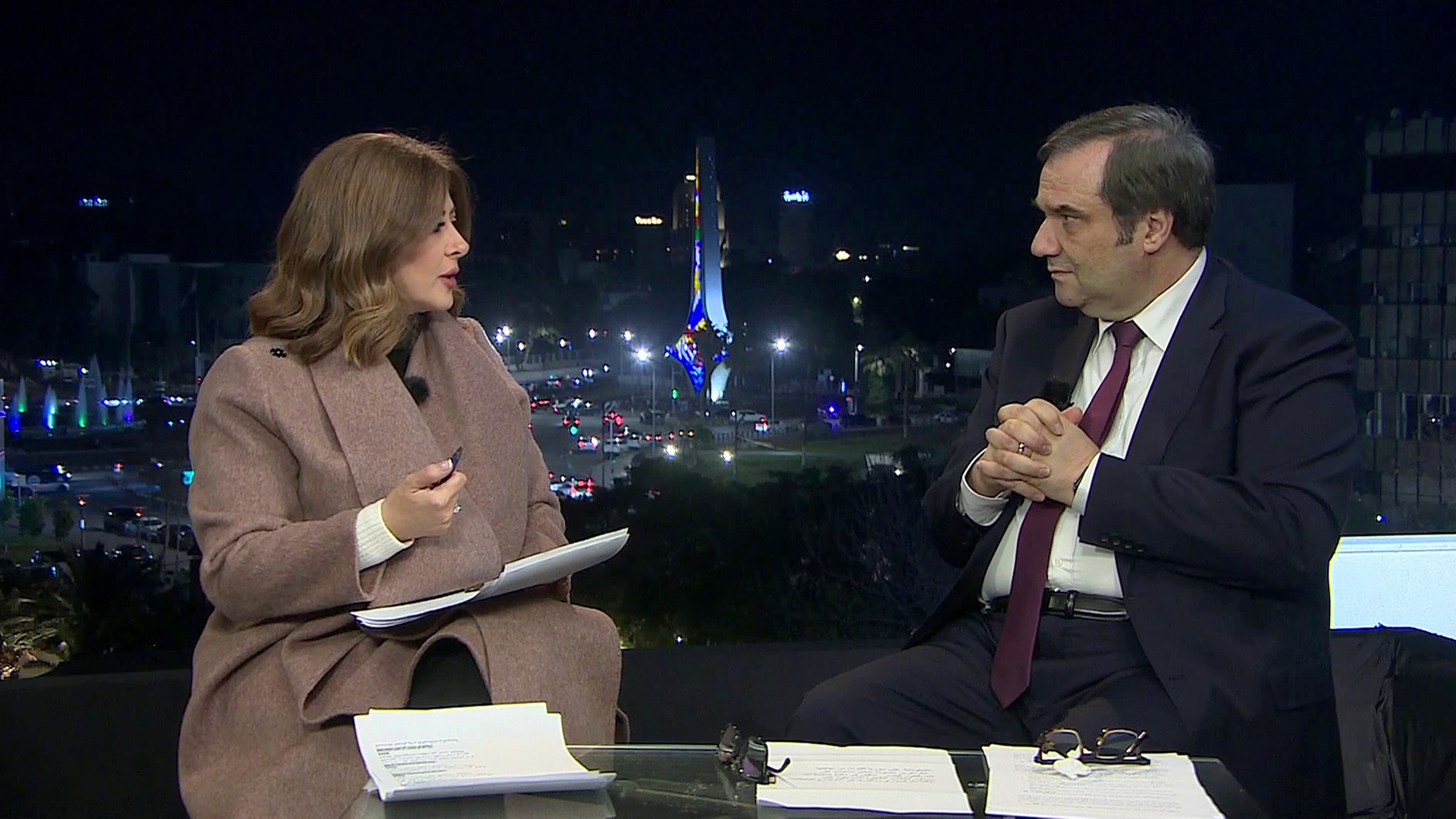
The Central Bank of Syria has announced a comprehensive plan for reintegration into the global financial system, contingent upon the termination of the U.S. Caesar Act. According to Central Bank Governor Abdul Qader Hasriya, the lifting of the sanctions represents the final and most crucial step in paving the way for Syria’s return to the international banking community.
The Caesar Act, which has been suspended since the fall of the Assad regime, has significantly hampered Damascus’s financial operations and its ability to manage reserves. Most global banks ceased transactions with Syrian institutions due to the imposed restrictions, severely limiting the central bank’s capabilities.
In an exclusive interview, Hasriya stated that the Caesar Act prevented the Central Bank of Syria from performing essential functions such as currency printing, monetary policy implementation, and liquidity procurement. He emphasized that these activities will be prioritized immediately following the removal of the sanctions.
“Syria has been unable to leverage global financial technologies due to the Caesar Act,” Hasriya explained, calling the potential lifting of sanctions a “miracle.” He added that capitalizing on these technologies requires the establishment of clear and specific financial policies and objectives.
The Central Bank Governor revealed that the government has formulated plans for developing the financial and banking system once the sanctions are lifted. Bank officials have reportedly received training from the U.S. Treasury Department and engaged in discussions with major banks regarding future strategies.
Damascus aims to reintegrate into the global banking system in a manner that enables the country to attract liquidity and foreign investment. Several nations, including Qatar, Saudi Arabia, the United Arab Emirates, and Turkey, have pledged to inject substantial investments into Syria upon the termination of the Caesar Act.
The Central Bank has developed a banking strategy extending to 2030, focused on combating money laundering and revising monetary policy to enhance confidence in the Syrian financial system through newly developed legislation. According to Hasriya, the government will support the banking sector to foster global trust and establish a monetary policy that promotes investment and liquidity inflows. The end of the Caesar Act marks a new chapter for Syria’s economic future.