Gaza: Flooding Worsens Plight of 250,000 Families
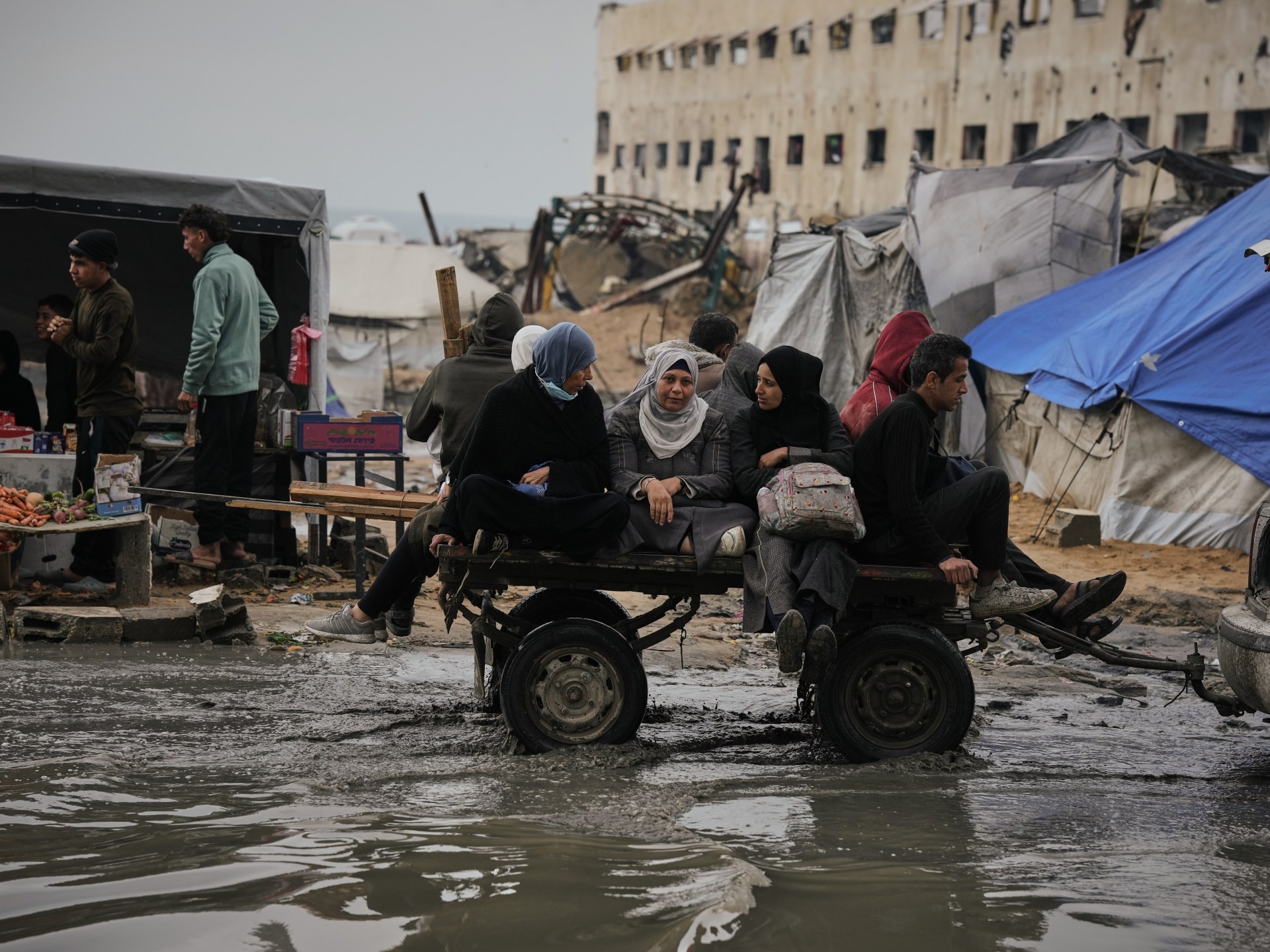
Gaza City – Heavy rainfall and flooding are exacerbating the already dire conditions for over 250,000 Palestinian families residing in displacement camps across the Gaza Strip. Makeshift shelters, weakened by time and conflict, are proving inadequate against the harsh winter weather.
According to a statement released Wednesday by the Civil Defense in Gaza, thousands of tents have been inundated with water due to a powerful weather system currently affecting the region. The storm is expected to continue through Friday, raising concerns about the potential for further damage and displacement.
“More than 250,000 families in displacement camps are facing the cold and rain in dilapidated tents,” stated Mahmoud Basal, a spokesperson for the Civil Defense. He highlighted the vulnerability of these families, who are already struggling with limited access to basic necessities and essential services due to the ongoing Israeli blockade.
The situation is particularly critical given that a significant portion of the existing tents are no longer fit for habitation. A report issued in late September indicated that approximately 93% of the tents in Gaza, roughly 125,000 out of 135,000, were deemed unsuitable for living.
Despite a ceasefire agreement reached on October 10th, the living conditions for Palestinians in Gaza have not improved significantly. Stringent restrictions imposed by Israel on the entry of aid trucks continue to hinder humanitarian efforts and violate the protocols of the ceasefire agreement.
Over the past two years, countless tents have been damaged or destroyed by direct Israeli bombardment or strikes in surrounding areas. Others have deteriorated due to exposure to the elements, including extreme heat in the summer and strong winds during the winter months.
The ceasefire brought an end to a devastating period that began on October 8, 2023, resulting in the loss of over 70,000 Palestinian lives and leaving more than 170,000 injured. The conflict also caused widespread destruction, with an estimated 90% of civilian infrastructure damaged, resulting in initial losses estimated at $70 billion.