South Sudan Troops Secure Heglig Oil Field Amid Sudan Clashes
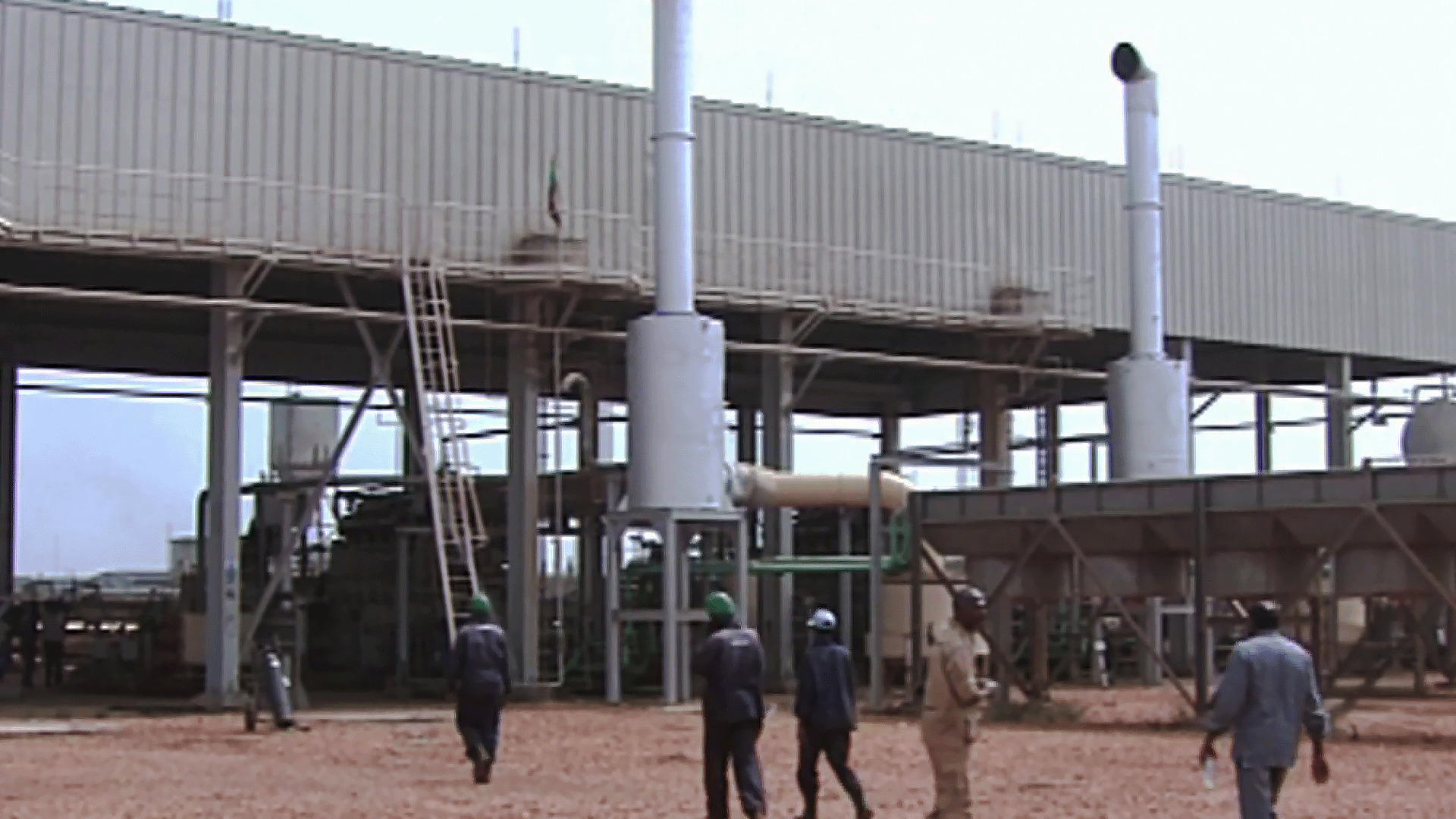
South Sudanese troops have been deployed to protect the strategic Heglig oil field in Sudan, according to a top military official. The move comes days after the Rapid Support Forces (RSF) claimed control of the area, which lies near the border between the two countries. Fighting continues to rage in other parts of Sudan, particularly in the Kordofan region.
General Paul Nanqum, a commander in the South Sudanese army, stated that the deployment was authorized by South Sudan’s President Salva Kiir, Sudanese Chairman of the Sovereignty Council Abdel Fattah al-Burhan, and RSF commander Mohamed Hamdan Dagalo (Hemedti).
“The three agreed on the need to protect the Heglig area because it is a very important strategic area for both countries,” General Nanqum said in a statement to South Sudan’s state radio. “Now, South Sudanese forces are present in Heglig.”
According to South Sudan Broadcasting Corporation, the agreement stipulates a withdrawal of the Sudanese army, followed by a withdrawal of the RSF from the area. This is aimed at preventing damage to oil facilities. The South Sudanese army’s mission is to safeguard these vital installations.
Sources indicate that a security and oil cooperation agreement was signed between Khartoum and Juba last October in Port Sudan, during a visit by South Sudan’s Foreign Minister, Mandy Comba. The agreement focuses on protecting South Sudan’s oil fields, pipelines, and central pumping stations.
The deployment of South Sudanese troops to Heglig marks the first practical implementation of this agreement. The RSF announced on Monday that they had seized control of the Heglig region “after the Sudanese army fled.” Juba claims that soldiers who abandoned their positions at the oil site handed over their weapons to South Sudan.
Heglig is Sudan’s largest oil field and a crucial processing facility for South Sudan’s oil exports. It is also the primary source of revenue for the government in Juba. Following South Sudan’s secession in 2011, it gained control of approximately 75% of Sudan’s oil reserves. Heglig remains a contested area between the two nations, reliant on Sudanese infrastructure for exporting oil through Port Sudan, as South Sudan is landlocked.