US Urges Gaza Reconstruction, Presses Israel on Costs
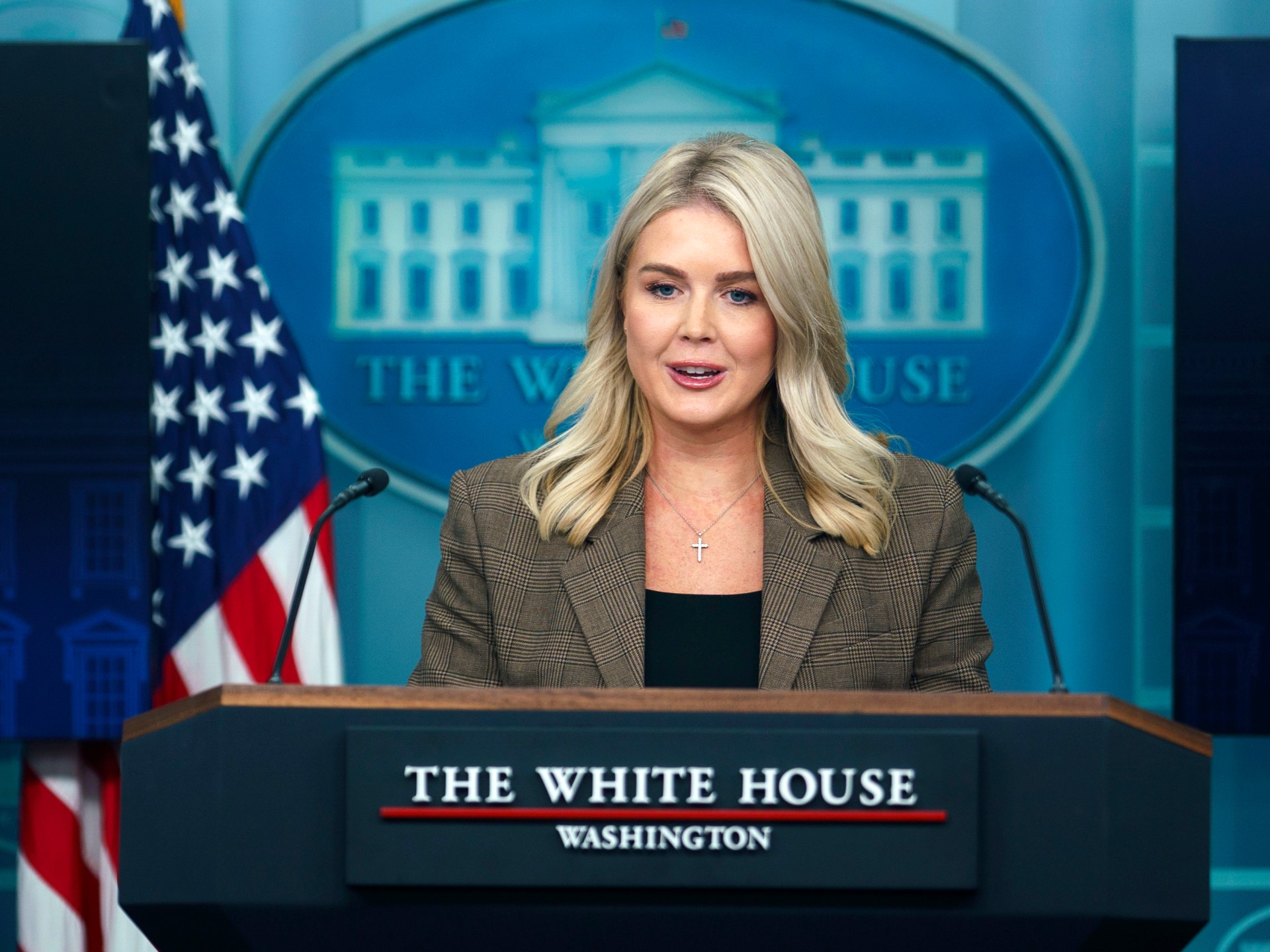
Washington is intensifying its efforts to move forward with the next phase of ceasefire agreements in Gaza, while simultaneously advocating for a comprehensive reconstruction plan. White House Spokesperson Caroline Levitt affirmed ongoing efforts to recover the remains of the final Israeli captive in Gaza, emphasizing the Trump administration’s commitment to securing a lasting peace in the region.
Levitt stated that the announcement of the Gaza Peace Council and the formation of a technocratic government would occur at the ‘appropriate time.’ This council, first announced by President Trump, is intended to oversee governance and reconstruction efforts within the Gaza Strip.
However, progress remains hampered by the unresolved issue of the Israeli captive. Israel insists it will not proceed to the next phase until the remains of Ran Gouli are recovered. Tel Aviv has provided aerial imagery and intelligence to negotiators in an effort to locate him. ‘We will not relent until Ran is returned for burial in Israel,’ stated an Israeli official.
The US hopes to deploy the International Stabilization Force (ISF) in early 2026, starting in Rafah. While some nations, like Indonesia and Azerbaijan, have expressed willingness to contribute troops, others prefer to offer training, funding, or equipment.
Prime Minister Netanyahu has reportedly expressed reservations about the ISF’s ability to dismantle Hamas’s military capabilities independently, suggesting the Israeli military would still need to play a role. Israeli officials have also voiced concerns that Washington appears more focused on reconstruction than on disarming Hamas, a priority for Tel Aviv. The issue of who bears the financial burden of Gaza’s reconstruction remains a point of contention. The US is reportedly pressuring Israel to shoulder a significant portion of the costs, a move that has sparked debate within the Israeli government.
The US administration believes that a rapid and effective reconstruction of Gaza is crucial for long-term stability and preventing a resurgence of conflict. However, securing agreement on both the security arrangements and the financial responsibilities presents a significant challenge.