Al-Burhan’s Calculated Gamble: A Tightrope Walk for Sudan
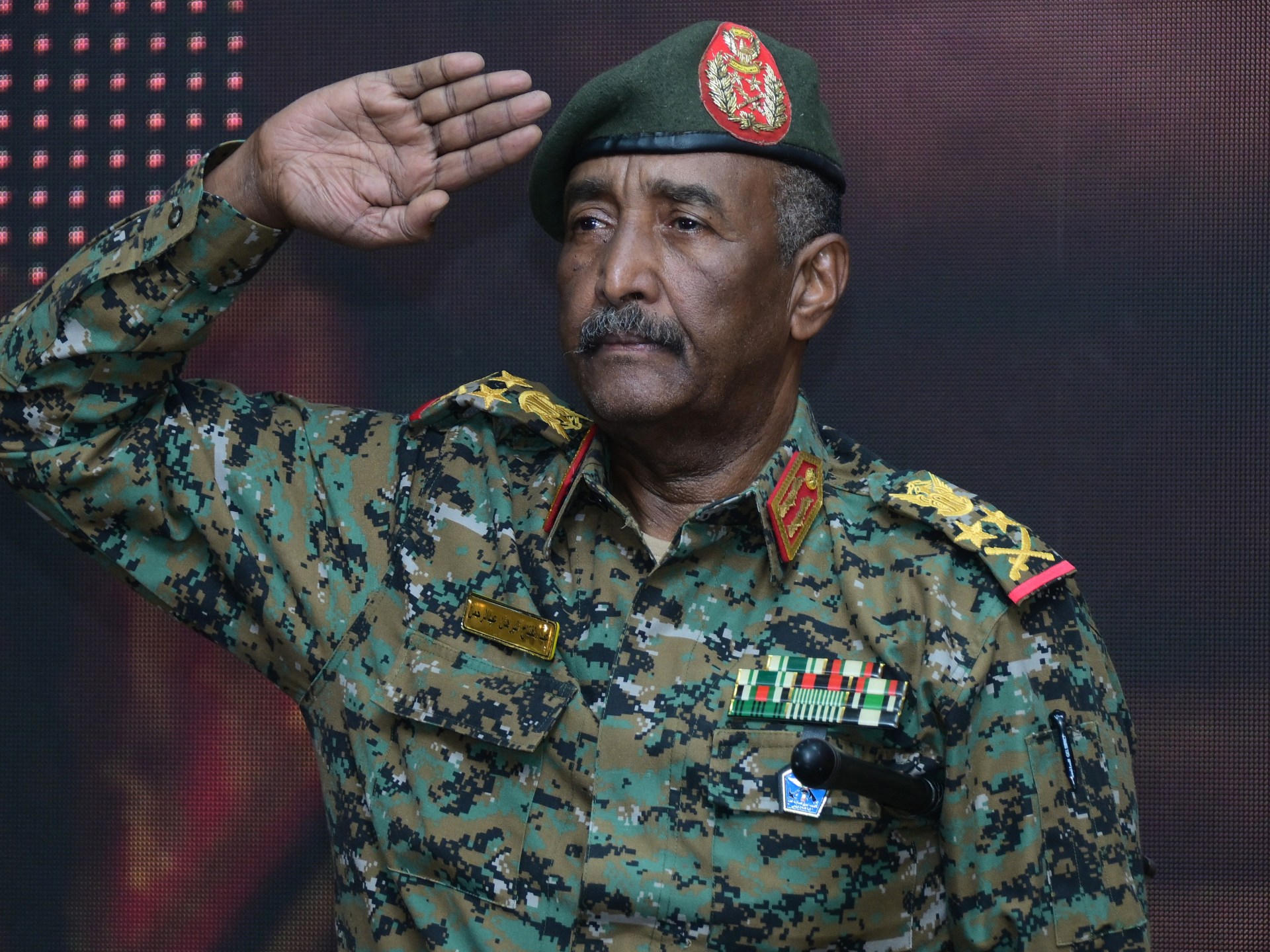
Sudan teeters on the brink, ravaged by a brutal conflict, its army stretched thin, and its economy crumbling under the weight of war. Global powers vie for control of its strategic resources, ports, gold, and its pivotal location. At the heart of this turmoil stands General Abdel Fattah al-Burhan, Chairman of the Sovereign Council, navigating a treacherous path: courting the West while maintaining ties with the East.
This isn’t mere political opportunism, but a carefully calculated maneuver dictated by harsh realities – a war-torn nation, a struggling society, and a complex web of international interests that have transformed Sudan into a battleground for influence in the Red Sea and the Horn of Africa.
Al-Burhan’s recent message to the West, published as an op-ed in The Wall Street Journal, was far from a casual opinion piece. It was a coded political memo, carefully crafted to resonate with decision-makers. He skillfully uses the media to communicate his views.
Aligning solely with the East guarantees access to weapons but risks financial isolation. Conversely, siding with the West offers potential economic support but could jeopardize military backing and trigger internal instability. Complete alignment with either side, therefore, proves fatal to Sudan’s survival.
The underlying message within his recent article places the blame for the conflict squarely on the Rapid Support Forces (RSF), rejecting the narrative of a mere ‘conflict between generals.’ He frames it as a rebellion against the state.
Al-Burhan’s message is clear: assist in dismantling the RSF and ending the rebellion, and Sudan will be ready to pursue normalization, and establish a civilian government acceptable to the West. He dangled the prospect of a democratic transition, highlighting the threat to Western interests in the Red Sea and opening the door to economic partnerships, emphasizing the role of American companies in reconstruction efforts.This is a well-constructed negotiation: military and political support in exchange for legitimacy, stability, and security cooperation. Al-Burhan is betting that the West will see Sudan as a vital piece in its global strategy, worthy of investment and support.