Why Was Everyone Worried About Tony Blair?
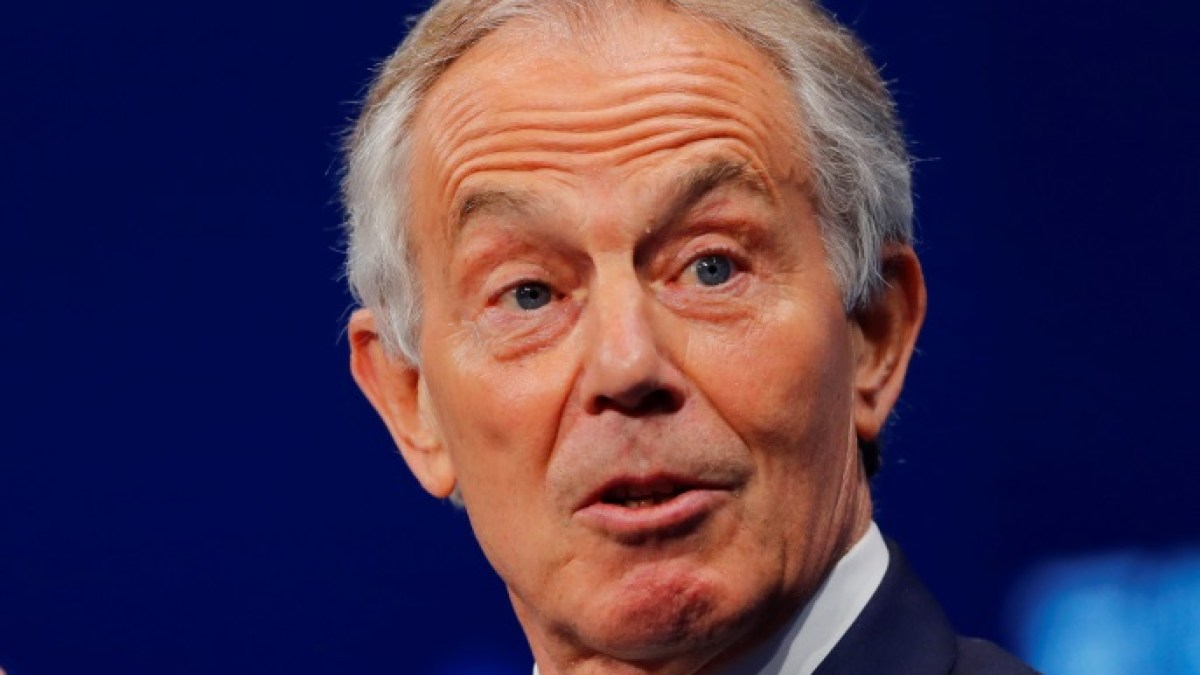
The exclusion of former British Prime Minister Tony Blair from the proposed “Transitional Peace Council” for Gaza has been met with relief by many involved in negotiations to end the Israeli-Palestinian conflict and begin reconstruction efforts. The announcement coincided with a sensitive stage in negotiations, focused on security and economic arrangements crucial for stabilizing the region and initiating reconstruction.
United Nations Security Council Resolution 2803, passed in November 2025, authorized the formation of a Transitional Peace Council, the deployment of a stabilization force, and set a timeline extending to the end of 2027. This resolution aligned with the “Peace in Gaza” proposal put forth by the U.S. President. Amidst the construction of this new transitional structure, the prospect of Blair’s involvement quickly emerged as a source of deep concern for many stakeholders.
Why was Blair’s potential presence so troubling?
Since the U.S. administration began engaging in efforts to end the conflict, several plans have been floated. However, the plan attributed to Blair appeared closest to the thinking of the U.S. President, and may have even influenced key elements of the vision unveiled in late September. This alone reignited controversy: Why is appointing Blair to such a critical role a serious mistake?
Blair carries a heavy political legacy, rooted in what many consider the worst foreign policy decision of the 21st century: the 2003 invasion of Iraq. He led this invasion alongside then-U.S. President George W. Bush, based on false pretenses related to weapons of mass destruction, as later confirmed by the British Chilcot Inquiry. The Iraq War devastated the country, ignited sectarian conflicts, opened doors to long-term foreign interventions, and resulted in the deaths of hundreds of thousands of Iraqis. For many, Blair became a symbol of this disastrous period.
His involvement in the Transitional Peace Council threatened to undermine the credibility and impartiality of the entire process. The concern was that his presence would alienate key parties, particularly within the Palestinian community, and potentially derail efforts to achieve a lasting and sustainable peace.