
US Military Rethinks Tactics for Potential Pacific Conflict
The US military is undergoing a significant transformation in its strategies and equipment to prepare for a potential large-scale conflict in the Pacific, particularly concerning China. After two decades of focusing on irregular warfare in Iraq and Afghanistan, the American armed forces are confronting a drastically different reality.
This new landscape is characterized by open battlefields, scattered islands, and a potential adversary with advanced missile and industrial capabilities. This necessitates a complete re-evaluation of traditional combat methods. Military leaders acknowledge that the modern battlefield extends beyond conventional land, sea, and air domains.
Instead, it now includes what is being referred to as the “aerial littorals,” the airspace between the ground and higher altitudes, where drones operate, observe, and engage targets. Soldiers are now training extensively in drone warfare, both offensively and defensively. This includes learning how to reduce their visual and electronic signatures to avoid detection and targeting.
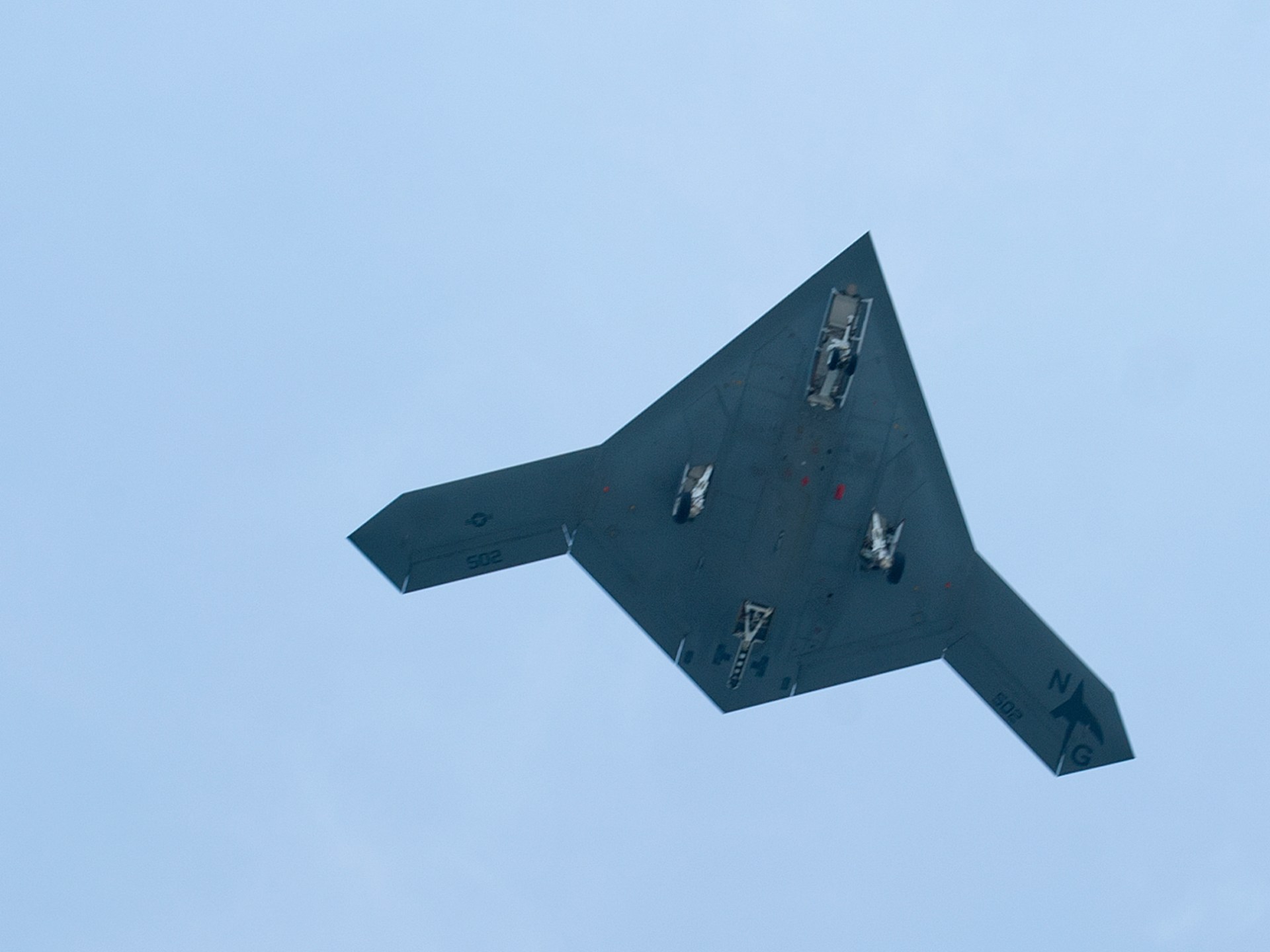
A prevailing belief is that in modern warfare, everyone is visible. Recent military exercises have showcased lighter, more agile equipment, particularly various types of drones, ranging from small reconnaissance aircraft to offensive and kamikaze drones that can be operated individually or in swarms. This shift reflects a move away from expensive and complex systems toward cheaper, more flexible, and rapidly expendable equipment.
This adaptation mirrors the new combat models emerging from the conflict in Ukraine. The focus is on adapting to a battlefield where technology and rapid deployment are key to success. The US military is actively working to ensure it is prepared for any potential future conflict.