Gaza Peace Plan: Second Phase Faces ‘Impossible’ Hurdles
The Middle East faces significant challenges in implementing the second phase of the Gaza peace plan, which aims to end the ongoing conflict. The plan’s core tenets include the disarmament of Hamas, the establishment of a new governing authority in the Gaza Strip, and the withdrawal of Israeli forces.
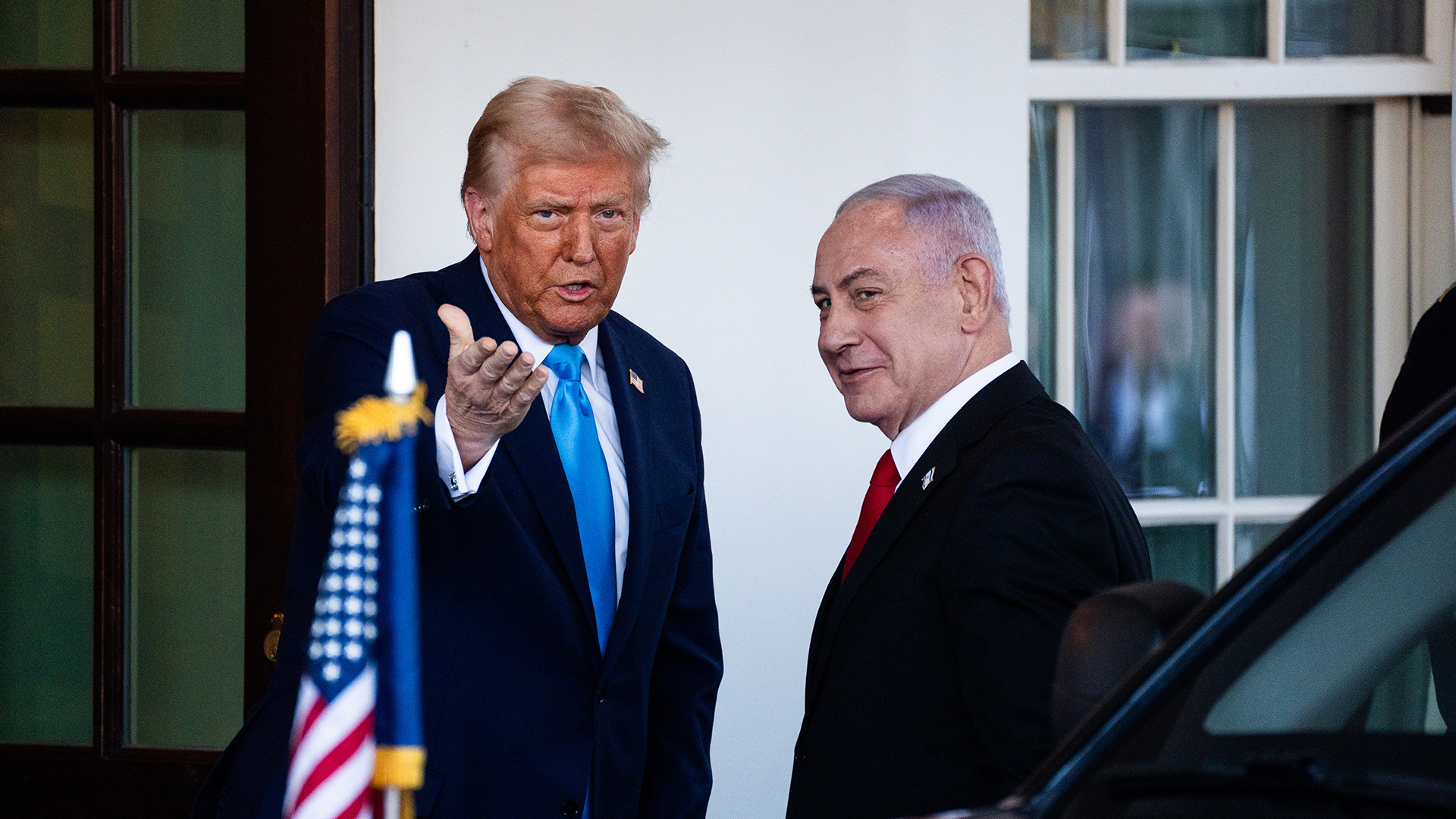
According to a British analyst, these goals may be unattainable in the current climate. Efforts are reportedly underway to determine the future of Gaza and who will control the territory, ahead of a scheduled meeting between US President Donald Trump and Israeli Prime Minister Benjamin Netanyahu on the 29th of this month.
The analyst suggests that the second phase of the peace plan appears ‘impossible’ due to several interconnected and complex factors. These include disagreements over the terms of the ceasefire and the future security arrangements for the region.
Concerns have been raised about the potential consequences of stalled progress. Qatari Prime Minister Sheikh Mohammed bin Abdulrahman Al Thani recently warned of the repercussions of freezing the Israeli withdrawal, hinting at the possibility of renewed conflict. Recent Israeli actions, such as the reported killing of a senior Hamas commander, underscore the risks associated with continued deadlock.
While Netanyahu has expressed optimism, critics suggest he may be attempting to undermine the plan. Former Deputy National Security Advisor Eran Etzion believes Netanyahu might be exploiting perceived hesitation from Hamas to freeze the entire process.
One of the most significant hurdles, according to analysts, remains the disarmament of Hamas. While Hamas representatives have indicated a willingness to relinquish heavy weaponry, they reportedly refuse to surrender small arms. A Hamas official, Basem Naim, suggested the possibility of freezing or storing weapons as a compromise.
Further complicating the transition to the second phase is the unresolved issue of a stabilizing international force. Disagreements persist over the role of such a force and which entities would oversee the disarmament process. Hamas representatives have reportedly rejected the notion of an international force supervising disarmament efforts.