Hamas Faces Critical Challenges on 38th Anniversary
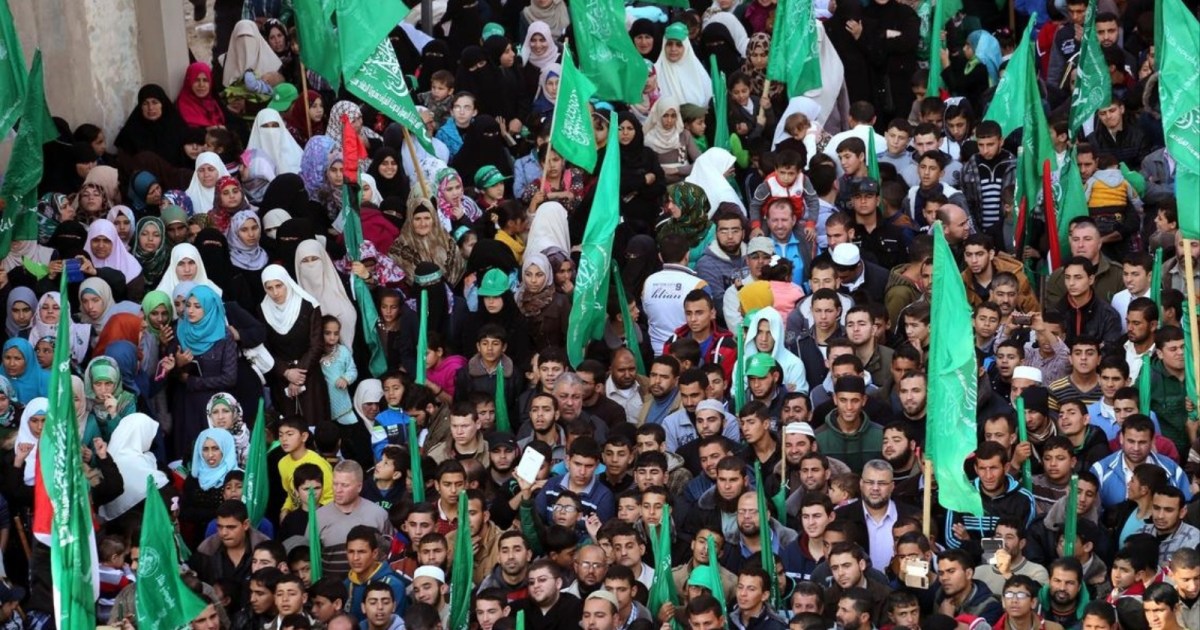
Gaza – As Hamas marks its 38th anniversary, the movement confronts a complex reality within the broader Palestinian issue. Still recovering from intense conflict targeting its organizational, military, and political infrastructure over the past two years, Hamas faces significant hurdles in advancing its resistance and liberation agenda, established since its inception in 1987.
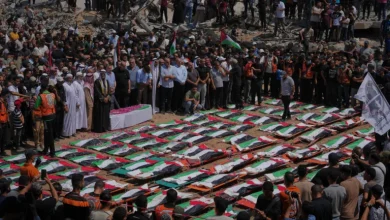
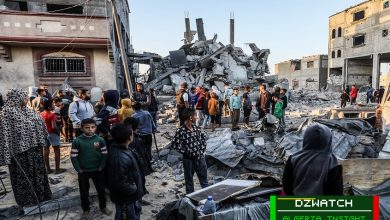
The anniversary arrives after over two years of devastating conflict in the Gaza Strip and heightened tensions in the West Bank, compounded by the aftermath of Operation ‘Al-Aqsa Flood’ and the loss of numerous key leaders and personnel. The organization is trying to rebuild and re-establish itself.
Rami Khreis, Director of the Palestinian Center for Political Studies, notes that Hamas faces a unique and exceptionally complex situation. He highlights several intertwined internal challenges. These include the urgent need to restructure ranks and leadership, filling the void left by fallen commanders. Maintaining morale, especially among younger members, after substantial wartime losses is also crucial.
Security and military challenges persist, given ongoing Israeli threats, including targeted assassinations. Political and social pressures pose another hurdle, exacerbated by the enduring Palestinian division and its broader impact. Intense international and media pressure, part of an Israeli campaign to tarnish Hamas’s image and undermine its political legitimacy, adds to the difficulties.
Managing regional relationships and alliances, while balancing interactions with various regional actors, remains vital. Symbolic and moral challenges are equally important, requiring Hamas to reaffirm its commitment to its core principles and maintain its support base in the face of adversity.
Ultimately, Hamas must navigate these multifaceted challenges to secure its future and continue playing a significant role in the Palestinian political landscape.