
Sudan’s Rapid Support Forces: Unmanned Aerial Capabilities Explained
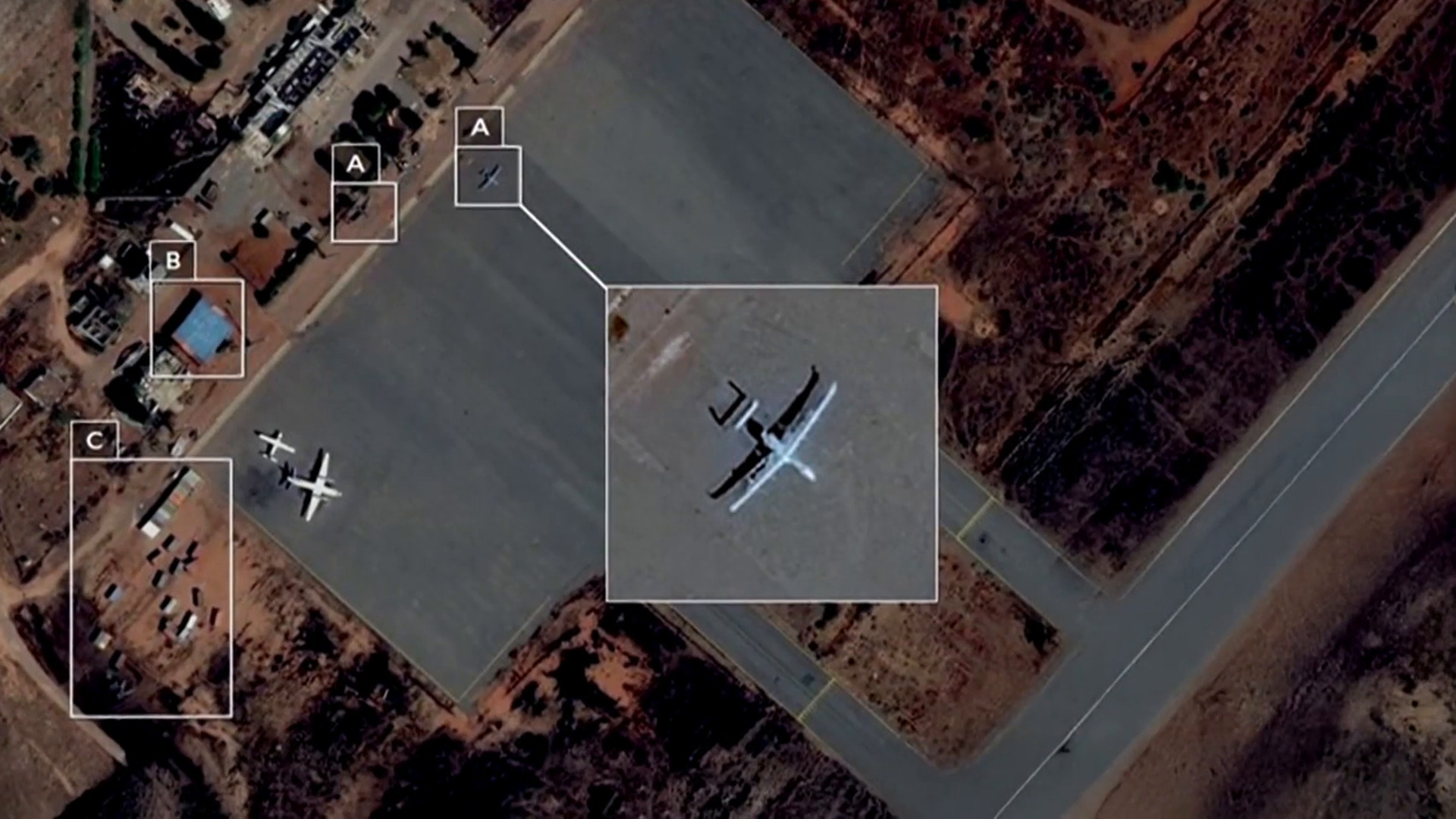
The Rapid Support Forces (RSF) in Sudan have significantly enhanced their technical and military capabilities, enabling them to deploy unmanned aerial vehicles (UAVs), also known as drones, to strike various locations across the country. According to military and strategic expert Colonel Hatem Karim Al-Fallahi, the RSF has been able to acquire these advanced technologies through various channels.
Al-Fallahi highlighted the existence of a ‘market’ that facilitates the RSF’s access to these drones, which can then be modified for military purposes. Many commercially available drones can be adapted into combat or suicide drones. Furthermore, these UAVs can be utilized for intelligence gathering, providing surveillance and reconnaissance capabilities within a range of 10 to 15 kilometers. They can also be deployed to strike targets at greater distances, depending on their specifications.
The operational range of the RSF’s drones reportedly exceeds 1,600 kilometers, underscoring the significant capabilities the group has acquired. Initially, during the first year of the conflict in 2023, the Sudanese army conducted approximately 280 drone strikes against RSF positions, compared to only 10 strikes carried out by the RSF. However, the situation shifted between 2024 and 2025, with the RSF gaining the ability to strike locations as far as the Red Sea coast, demonstrating a marked improvement in their military capabilities.
Satellite imagery has revealed various models of Chinese-manufactured drones in the RSF’s possession. This suggests the possibility of the RSF acquiring these drones through countries that have arms dealings with China, despite existing regulations on the use of such weaponry. Reports also indicate that the RSF has obtained modified drones from Serbia, in addition to the support it received from the Wagner Group from 2023 until mid-2024.
The future of drone warfare in Sudan will depend on several factors, including the external support the RSF receives to maintain these capabilities, and the technological capabilities of the drones themselves. DZWatch will continue to monitor the situation as it develops.