Algeria and Chad Forge Agreement to Expand Energy and Mining Cooperation
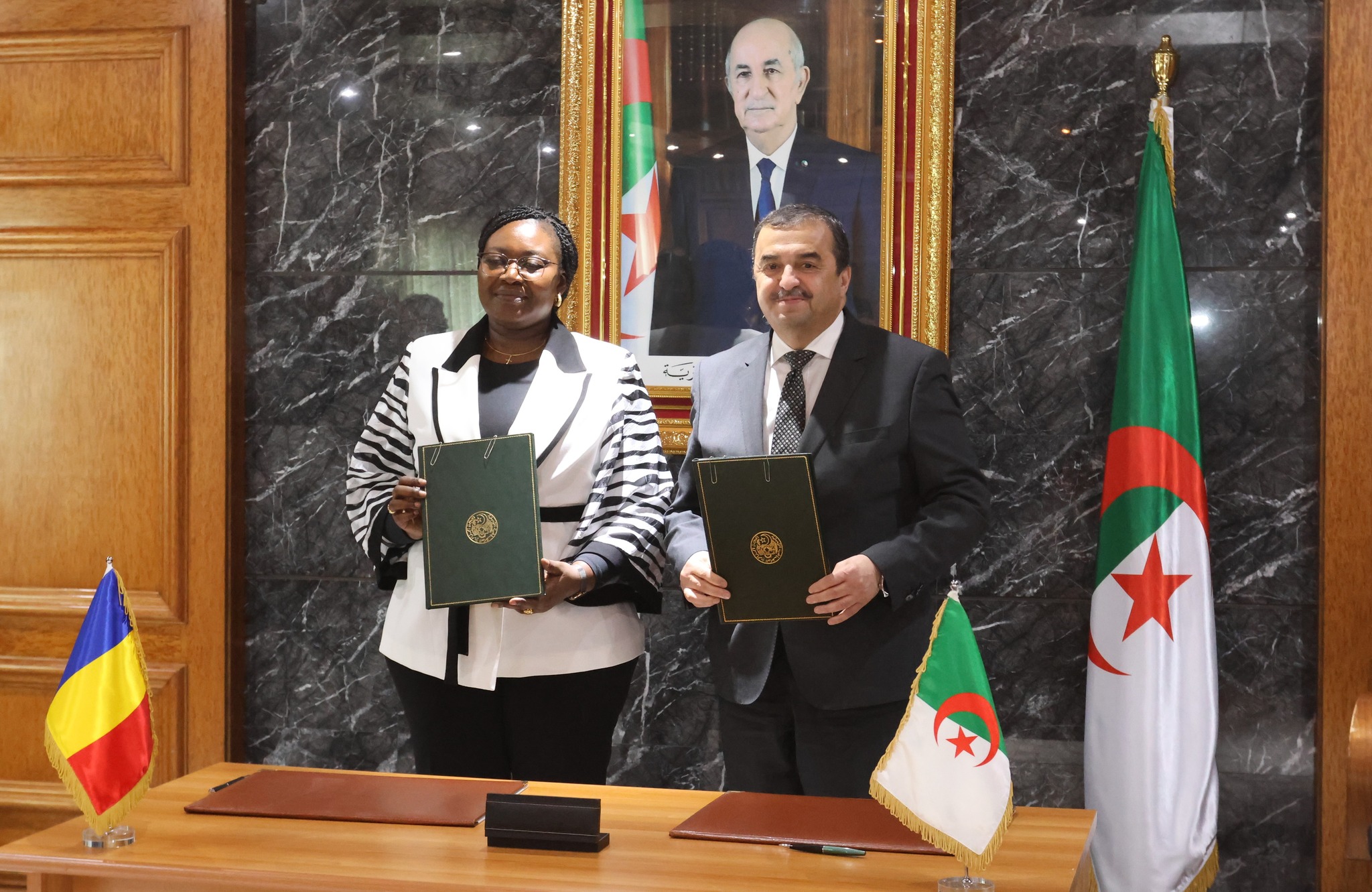
Algeria and Chad have formalized an agreement to broaden their collaboration in the hydrocarbons and mining sectors. The agreement was solidified through the signing of minutes following a working visit by Chad’s Minister of Petroleum, Mines, and Geology, Ndolenodji Alixe Naïmbaye, to Algeria.
The signing ceremony, held at the Ministry of Hydrocarbons and Mines in Algiers, saw the participation of Algeria’s Minister of State, Minister of Hydrocarbons and Mines, Mohamed Arkab, alongside Chad’s Minister Naïmbaye. Also present were the Secretary of State in charge of Mines, Karima Bekir Tafer, senior ministry officials, executives from Sonatrach and Sonarem, heads of national hydrocarbon and mining agencies, and representatives from the Hydrocarbons Regulatory Authority.
This initiative aims to strengthen bilateral cooperation between Algeria and Chad in the key areas of hydrocarbons and mining. It establishes practical mechanisms for monitoring agreed-upon objectives and seeks to expand partnerships to encompass activities of mutual interest, including refining, petrochemicals, and related services. The ultimate goal is to foster a sustainable and mutually beneficial partnership.
The signed minutes outline several key areas for cooperation. These include enhancing the regulatory and legal framework for the hydrocarbon sector through experience sharing and collaboration between the countries’ respective hydrocarbon agencies. The agreement also explores the possibility of concluding specialized agreements.
Both parties committed to strengthening cooperation in oil exploration and production, refining, petrochemicals, gas valorization, and reducing gas flaring. Knowledge transfer and technical assistance are also prioritized, with discussions exploring Sonatrach’s potential participation in priority projects within Chad.
Discussions also addressed the development of the Liquefied Petroleum Gas (LPG) value chain, from production to distribution, and strengthening regulatory frameworks and safety standards. Algeria expressed its readiness to provide support in training, technical assistance, and the development of joint projects.
In the mining sector, both parties emphasized the importance of enhanced cooperation, recognizing the significant geological potential in both countries. This will involve exchanging expertise in exploration and sustainable resource exploitation, particularly concerning rare and industrial minerals, and precious stones. Joint research and training programs, as well as expert exchanges, are also planned.
Furthermore, the agreement emphasizes the development of local content by promoting the local transformation of hydrocarbons and resource valorization. Algeria’s experience in integrating local content and training national labor will be leveraged to create added value and support sustainable economic development in both nations. Training and skills transfer are also key components of this collaboration.