Morocco Accused of Using Spanish Universities to Promote Western Sahara Narrative
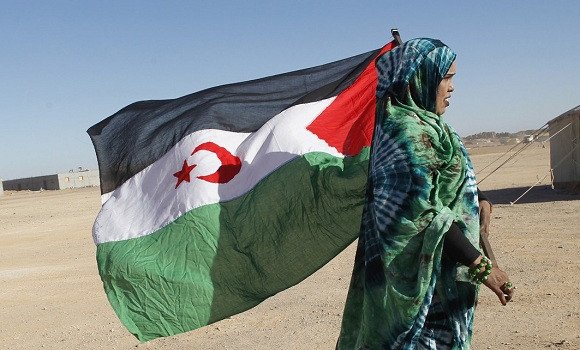
DZWatch Exclusive: A Spanish newspaper has raised serious concerns regarding Morocco’s alleged use of Spanish universities to promote its narrative on the Western Sahara issue. The report details how Morocco is purportedly leveraging academic chairs, cultural agreements, and financial partnerships to shape public opinion and legitimize its control over the disputed territory.
The Spanish publication, El Independiente, suggests that this expansion goes beyond mere academic collaboration and represents a calculated strategy to bolster Rabat’s political influence within Spain through its educational institutions. The article highlights instances at universities in Cordoba, Salamanca, Gijon, and most recently, Rovira i Virgili University in Tarragona, where Morocco is allegedly attempting to present a skewed image of its presence in Western Sahara.
According to the report, while some initiatives have faced internal resistance and been frozen, others have succeeded due to direct funding from Moroccan companies with ties to Rabat. This has sparked worries about the autonomy and impartiality of these academic programs. University sources maintain that these academic chairs are intended for scientific and cultural purposes, without specific focus on the Western Sahara. However, the presence of the Moroccan consulate and the sources of funding raise questions about the potential political influence on students and researchers.
The newspaper alleges that Morocco is exploiting universities to steer academic discourse and suppress debate concerning the Sahrawi people’s right to self-determination. The report emphasizes that this strategy primarily targets young Spaniards, a demographic highly susceptible to academic research and activities. It cites the views of Polisario Front representatives and Sahrawi students, who view these initiatives as a platform to normalize the occupation and distort the historical narrative.
While Spanish universities insist on the independence of their academic programs, El Independiente argues that Morocco is employing academia as a soft power tool for its cultural and political diplomacy, capitalizing on the inclusive nature of the university environment. This raises significant questions about academic freedom and the potential for undue influence in shaping perceptions of the Western Sahara conflict.