Gaza’s Drug Crisis: Patients Face Dangerous Alternatives, Empty Shelves
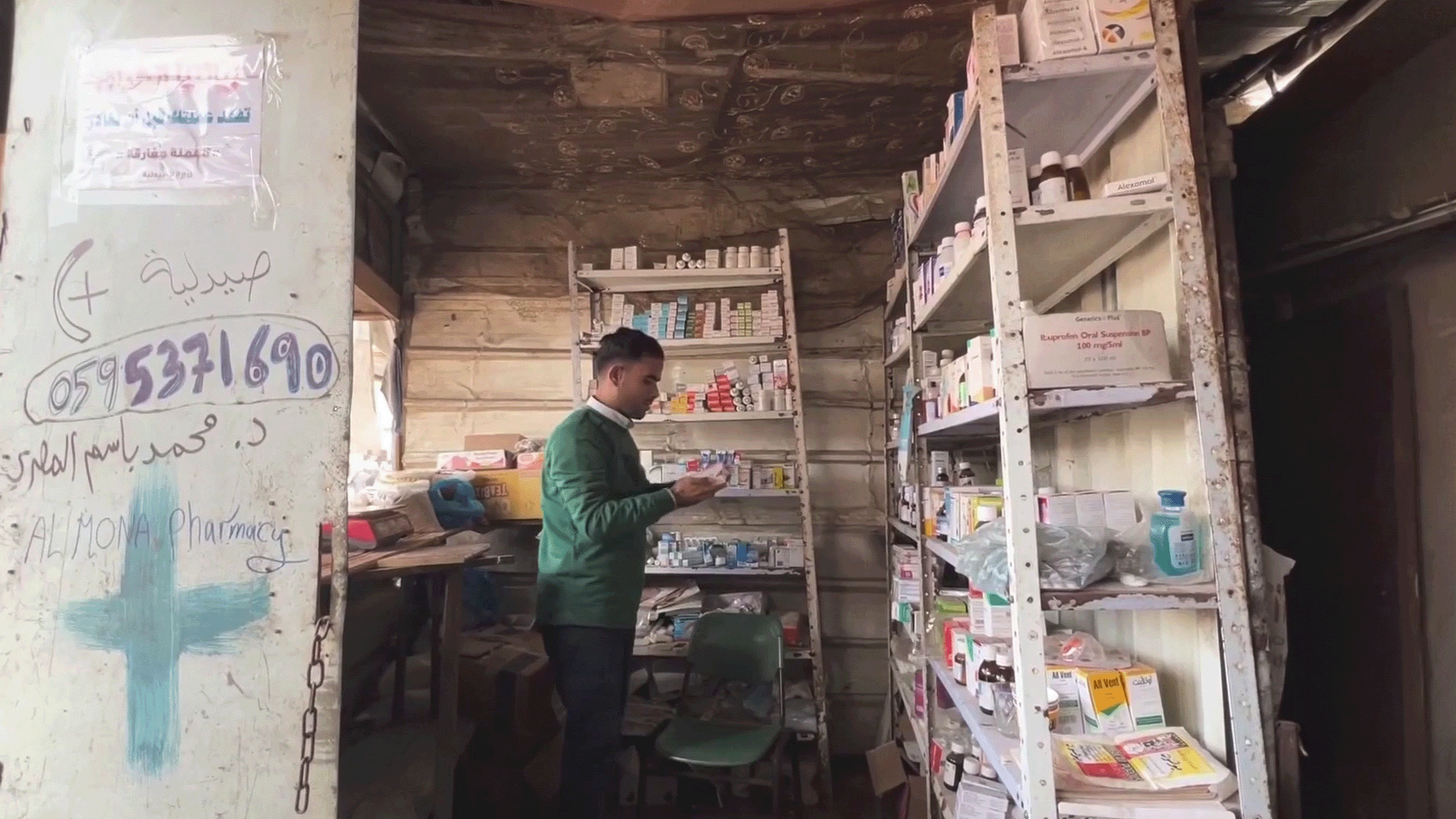
Gaza’s healthcare system is facing an unprecedented crisis as critical drug and medical supply shortages threaten the lives of thousands. Central warehouses are reporting complete depletion of over half of their essential medication and supply inventories, jeopardizing vital medical services for patients and the injured.
Medical teams are struggling to provide adequate care, particularly for those with chronic illnesses. Hospitals are severely overcrowded, with patients overflowing into hallways, while the need for treatment continues to surge. Doctors report that essential medications have vanished from hospitals, forcing staff to resort to outdated drugs or treatment protocols, despite their potentially severe side effects.
The situation outside hospital walls is equally dire. Patients are finding it nearly impossible to obtain necessary medications from private pharmacies, and when available, the prices are often beyond their reach. This adds to their suffering amidst already dire economic conditions. Medical reports indicate consistently high demand, especially for injuries requiring surgery and follow-up care. There is an urgent need for strong antibiotics and pain relievers, while medical supplies are critically low.
Patients and their families are increasingly calling for the opening of border crossings to allow life-saving medications to enter and enable patients to seek treatment abroad. One resident described the healthcare situation as desperate, stating that Gaza lacks essential equipment, painkillers, and treatments, while expressing hope for her child’s recovery.
The Ministry of Health in Gaza confirms that the crisis has escalated beyond mere drug shortages, reaching a complete collapse of the medication supply system. The deficit in essential drugs has exceeded 50% of the more than 600 items needed, while the shortage of medical supplies has surpassed 70%, with a need for over a thousand different items. The shortages are most acute in cancer and blood disease medications, reaching 70%, while vaccine shortages exceed 50%. The lack of consumable medical supplies is also critical.