Sahel Alliance Leaders Face Armed Groups Test
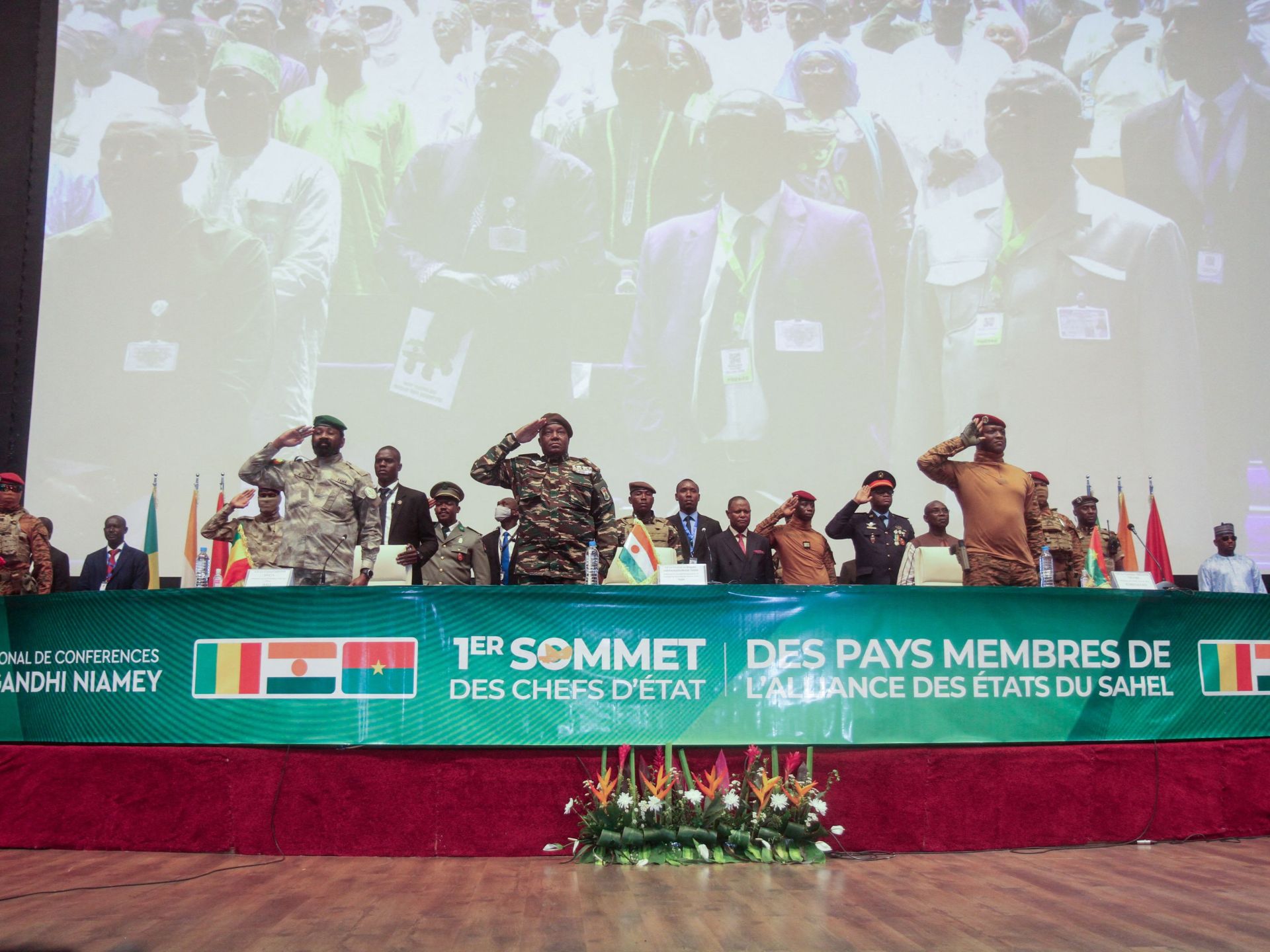
The Sahel Alliance summit in Bamako, scheduled for December 22nd and 23rd, 2025, marks a critical juncture for regional security. This is not merely a routine meeting; it unfolds against a backdrop of escalating armed group influence and a receding presence of traditional international powers. Mali, Niger, and Burkina Faso, all of which have experienced military coups in recent years, are leveraging this alliance to assert themselves as a regional force capable of addressing security challenges independently.
Preparations commenced in late November with ministerial meetings, culminating in the official summit in the final week of December. The timing is particularly significant, following a series of attacks by armed groups linked to Al-Qaeda. This summit serves as an urgent attempt to forge a joint plan to counter threats that are increasingly encroaching upon capital cities.
Since the withdrawal of French forces from Mali in 2022, and the subsequent reduction of the American presence in the region, these nations find themselves in direct confrontation with groups affiliated with Al-Qaeda and the Islamic State. This summit represents the second session of the “Sahel Alliance Heads of State College,” where the leaders of Mali, Niger, and Burkina Faso convene to discuss the mounting security challenges in the region. These groups have exploited the security vacuum to expand their operations, now controlling vast swathes of rural areas and imposing sieges on certain cities, leading to economic paralysis and a worsening humanitarian crisis.
The Bamako summit will prioritize strengthening military coordination among the three nations. However, the most significant obstacle lies in the scarcity of financial and military resources. National armies are grappling with a shortage of modern equipment, and the alliance relies on limited support from new partners such as Russia, which has begun providing security assistance. The summit presents a crucial test of the Sahel Alliance’s ability to effectively address the growing threat of armed groups and establish itself as a credible regional security actor. The success of this endeavor hinges on the leaders’ ability to forge a unified strategy and overcome resource constraints.