Israel Ends ‘Sweeping’ Operations: What’s Next for Gaza?
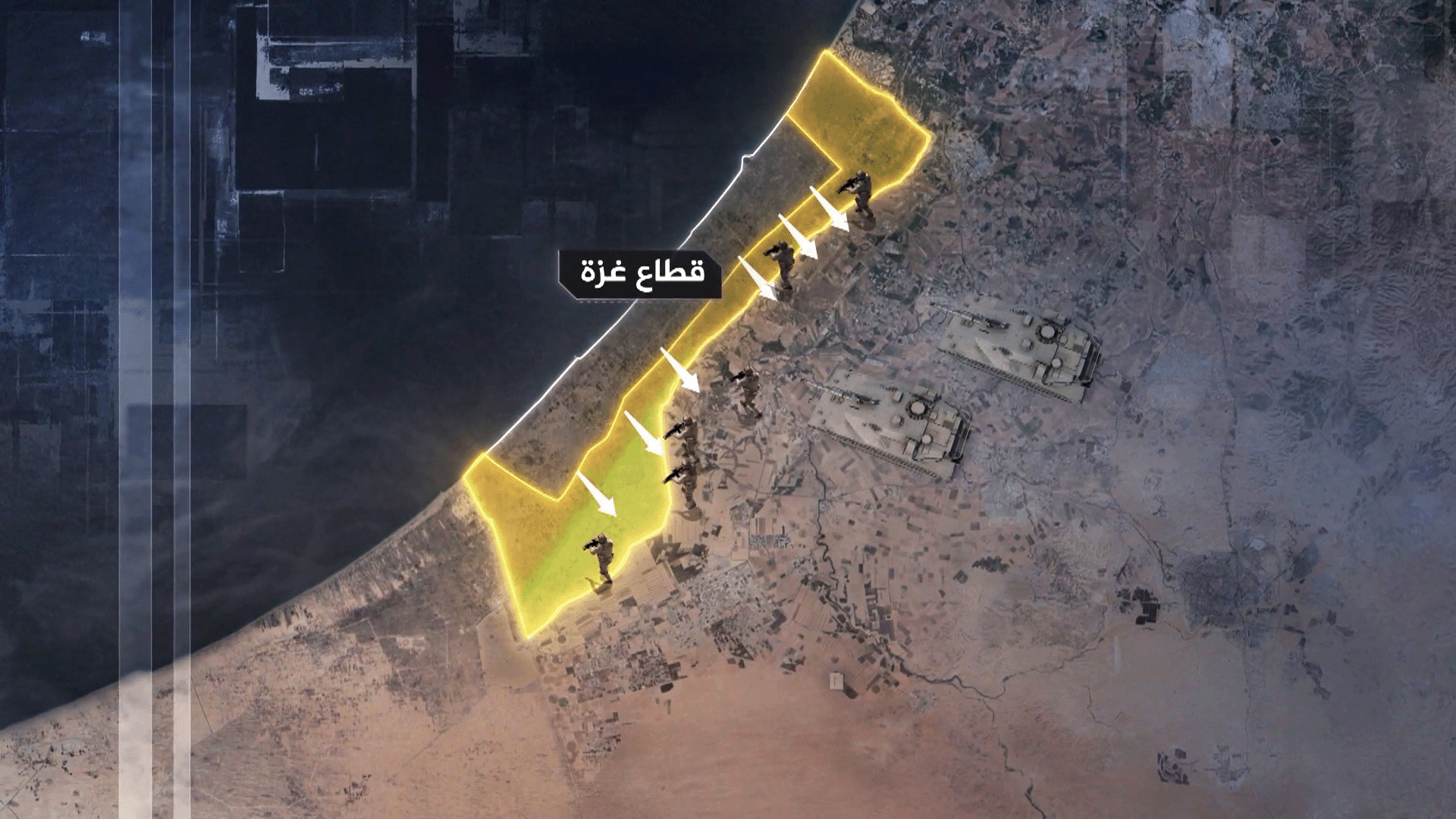
The Israeli army’s announcement that it has concluded ‘sweeping’ operations behind the ‘Yellow Line’ in the Gaza Strip signals a shift in its military presence. This raises questions about the future control of the territory and how this decision aligns with the anticipated second phase of a ceasefire agreement.
The ‘Yellow Line’ separates the area controlled by Hamas from a buffer zone under Israeli control, representing approximately 53% of Gaza’s total area. This line is physically marked by yellow concrete blocks. Militarily, ‘sweeping’ refers to a systematic search of areas after they have been secured. Ending this phase typically indicates a transition from a heavy military presence to a less intensive control model, relying on surveillance and limited intervention, while maintaining the ability to deploy forces as needed.
Observers suggest this announcement could signify a move from one military phase to another, without necessarily implying a complete withdrawal from the occupied areas. This transition could involve several potential scenarios.
One possibility is a relative reduction of Israeli ground forces and their redeployment along the periphery of the Gaza Strip. Another scenario involves a change in combat tactics, with greater reliance on targeted operations such as airstrikes and focused incursions, instead of direct occupation. Finally, the announcement might foreshadow an Israeli plan to establish a ‘security strip’ within Gaza, while maintaining freedom of military movement throughout the territory.
This shift fuels speculation about the second phase of a potential agreement. Reports suggest a possible reduction in troop deployments within residential areas, coupled with tighter control over vital infrastructure, such as roads and areas critical for surveillance. Israel is also expected to adopt a policy of targeted raids rather than maintaining a permanent presence.
This could impact civilian movement, which may expand in a limited way, remaining restricted to specific zones. These changes could also limit the free movement of aid trucks, confining them to designated points, thereby impeding their distribution.
The evolving situation demands careful observation to understand the full implications for the people of Gaza and the prospects for lasting peace. DZWatch will continue to provide in-depth coverage and analysis of these developments.