
Darfur: Fears of Partition Grow Amid RSF Expansion
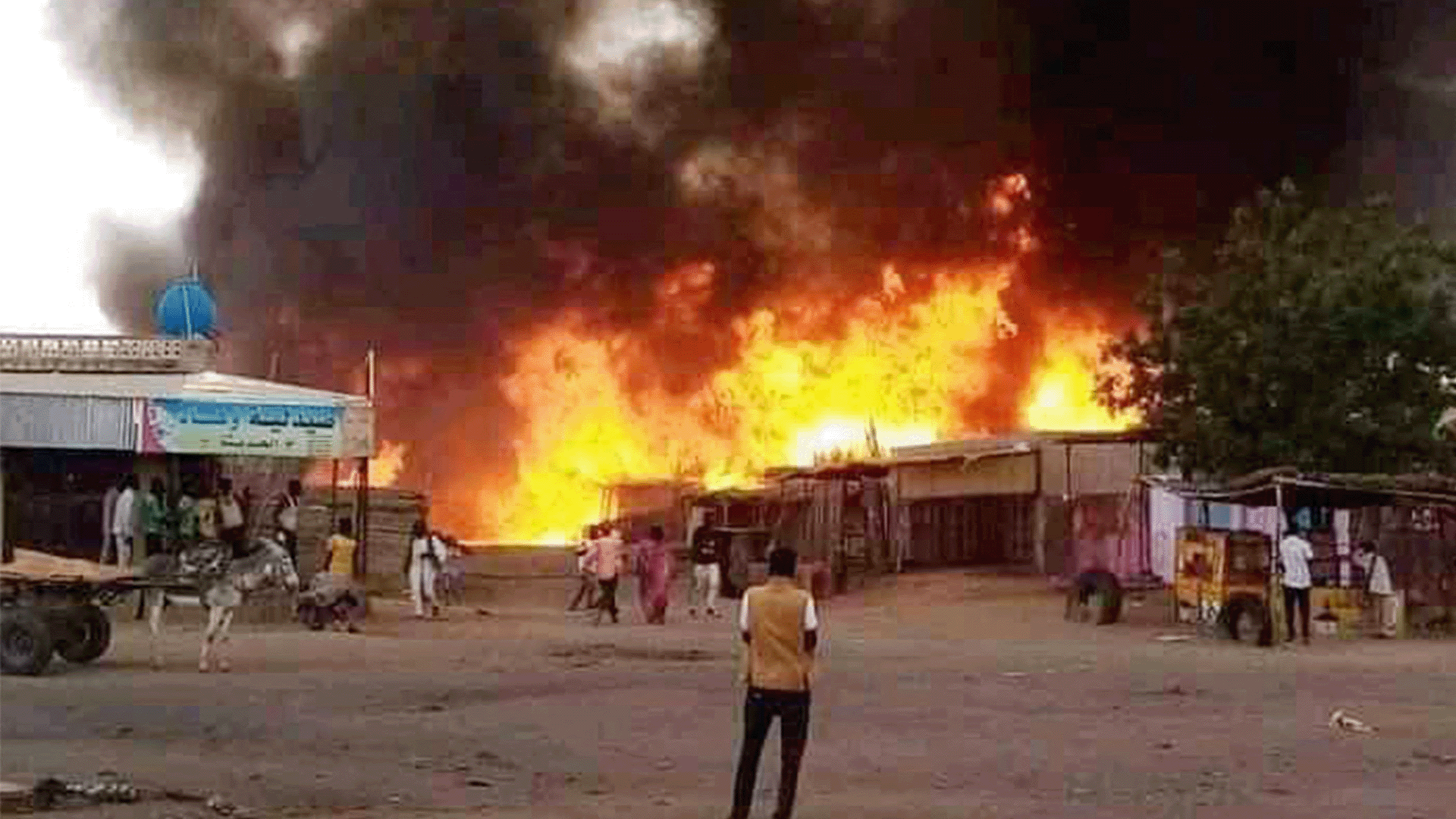
Concerns are mounting over the potential for Sudan to fracture along geographic lines as the Rapid Support Forces (RSF) continue to expand their control in the Darfur region. Recent advances by the RSF, including the capture of strategically important towns in North Darfur near El Fasher, have resulted in significant losses for the Sudanese Armed Forces (SAF) and allied groups. These areas are vital to the economic and social well-being of the region.
The escalating military situation is unfolding against a backdrop of a worsening humanitarian crisis, with civilian displacement reaching alarming levels. Experts warn that the RSF’s territorial gains could solidify into a de facto partition of the country.
According to security analyst Mutasim Abdel Qader, the fighting in Darfur is characterized by fluid, back-and-forth ground engagements. He emphasized that the conflict remains unresolved. Speaking on DZWatch, Abdel Qader expressed particular concern over the RSF’s alleged mistreatment of civilians.
Reports indicate a shift in military tactics, with increased efforts to target RSF leadership and disrupt supply lines originating from eastern Libya and Chad. This strategy aims to destabilize the RSF and disrupt their operations.
However, some analysts believe the RSF is steadily gaining ground. According to researcher Liqa Makki, the RSF controls most of Darfur’s states, with the exception of a few isolated areas. Furthermore, the RSF has expanded into South Kordofan and is nearing control of additional border crossings with neighboring countries.
Makki suggests that the RSF’s seizure of key cities, including areas rich in oil resources, is a calculated move to establish itself as an indispensable party in any future negotiations. Questions are also being raised about whether the RSF intends to renew its focus on the capital, Khartoum.
Political analyst Mustafa Mohamed Ibrahim notes the strategic importance of the territories seized by the RSF, particularly their location along the borders with Libya and Chad. He describes these areas as vital trade routes between Sudan and its neighbors. According to Ibrahim, this trade has been disrupted due to the SAF and its allies controlling the areas.
DZWatch will continue to monitor the developing situation in Darfur and provide updates as they become available.