
Strait of Hormuz to Determine the Future of Oil Prices
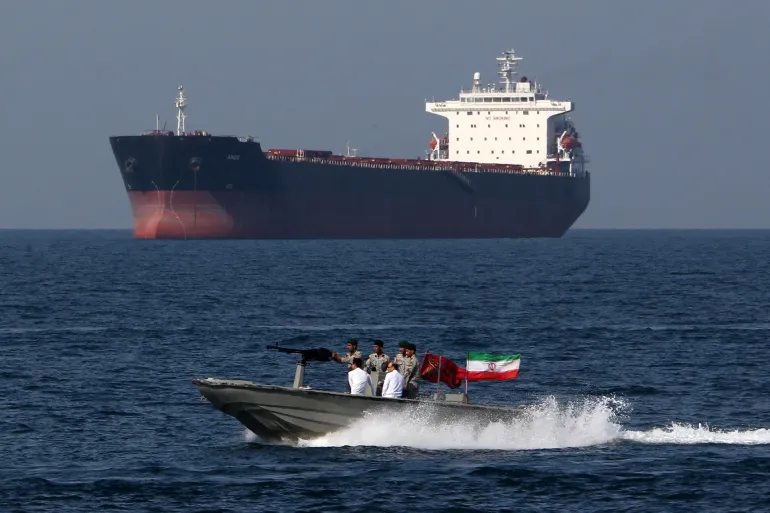
Concerns are escalating in global oil markets regarding the potential for navigation disruptions in the Strait of Hormuz and the subsequent impact on energy supplies and crude prices, following the launch of a large-scale aerial attack by the United States and Israel on Iran. The Strait of Hormuz is considered a vital artery for global energy, as a quarter of seaborne oil supplies pass through it, making any threat to shipping traffic a direct factor in price volatility.
In the event that navigation through the strait becomes hazardous for oil and gas tankers due to military escalation, these vessels would require protection from Western warships, particularly American ones, to secure their passage. Although this scenario might slow down maritime shipping movement, it would not significantly impact global energy supplies.
The most dangerous scenario involves the complete closure of the strait for several days, which is considered the worst-case possibility for energy markets. Last June, Moyo Xu, a senior oil analyst at the energy market firm Kpler, predicted that an Iranian closure of the Strait of Hormuz for just one day could lead to global oil prices rising to between $120 and $150 per barrel.
The price of Brent crude, the global benchmark for oil pricing, stood at $72.48 per barrel at the close of trading last Friday, meaning that any actual closure of the strait could push prices to levels far exceeding their current rates.