Tunisians React to Taboubi’s UGTT Resignation
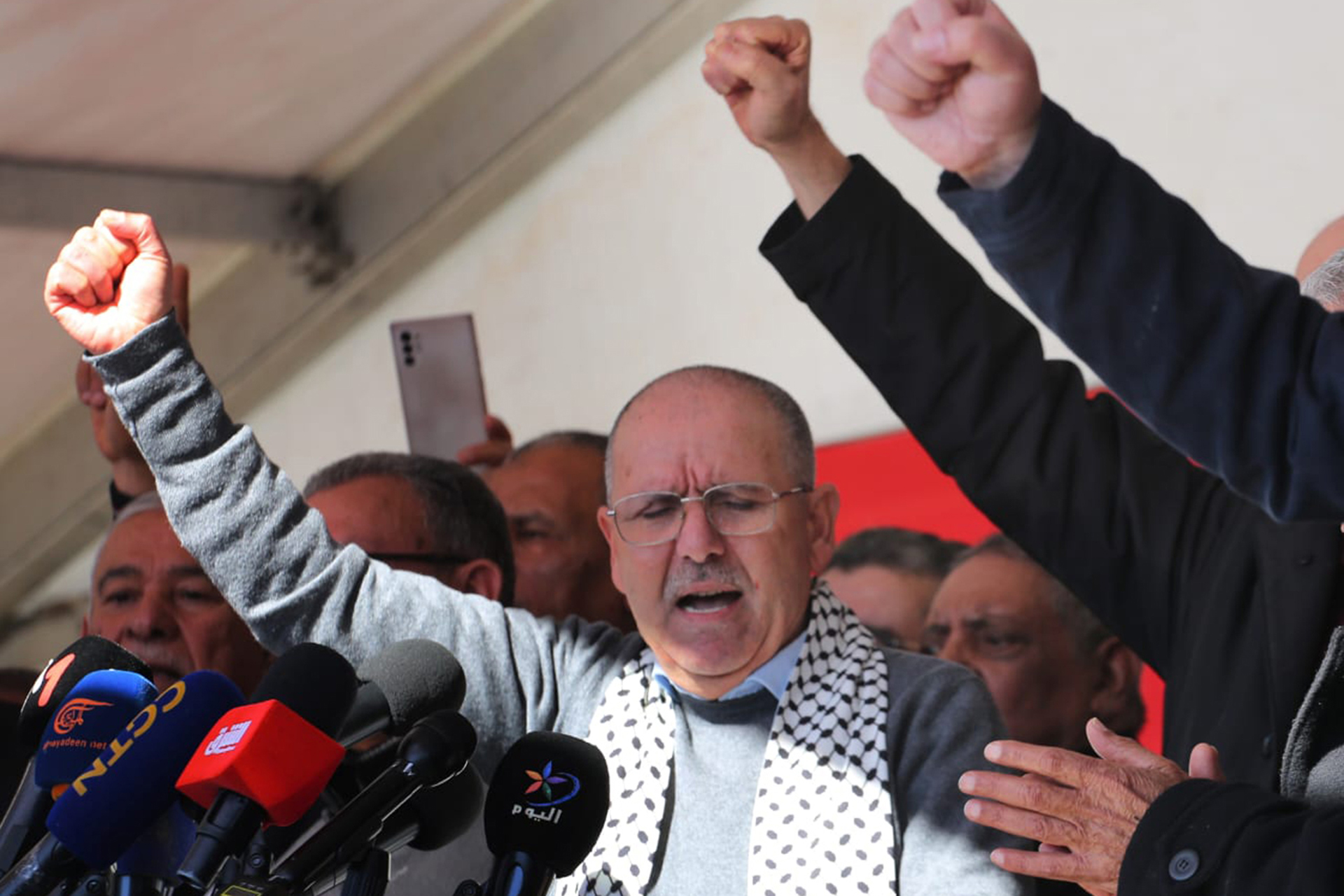
The resignation of Noureddine Taboubi from his position as Secretary-General of the Tunisian General Labour Union (UGTT) has sparked widespread reactions in Tunisia. Many see this move as more than just an internal administrative decision, suggesting it reflects a deeper crisis within the influential labor organization.
Observers suggest that Taboubi’s resignation could be a silent protest against internal challenges or an implicit acknowledgement of the difficulty in balancing workers’ rights with the demands of the state. The lack of effective dialogue has contributed to the current stalemate.
Sami Tahri, a spokesperson for the UGTT, announced Taboubi’s resignation, without specifying the reasons for the 64-year-old’s departure.
A Pivotal Moment
Some Tunisians view Taboubi’s departure as a pivotal moment in the UGTT’s history. They believe it signifies a shift in the balance of power within the labor movement and broader political landscape. The resignation might be more of a warning than a final withdrawal from the scene.
This move places the UGTT at a crossroads. It must either undergo a fundamental review of its direction, renew its leadership, and adjust its strategies, or risk decline and loss of influence in a society already struggling with numerous crises.
Others believe Taboubi’s resignation highlights a severe internal crisis within the UGTT, involving disagreements between leaders and various levels of the organization. It exposes rigid positions and organizational fractures within one of Tunisia’s most prominent labor unions, which has played a crucial role in the country’s modern history.
Taboubi had held the position of Secretary-General since 2017. The UGTT, founded in 1946, is Tunisia’s largest trade union. Its role became particularly prominent after the January 14, 2011 revolution that ousted President Zine El Abidine Ben Ali.