Israel Accused of ‘Collective Abuse’ of Palestinian Prisoners
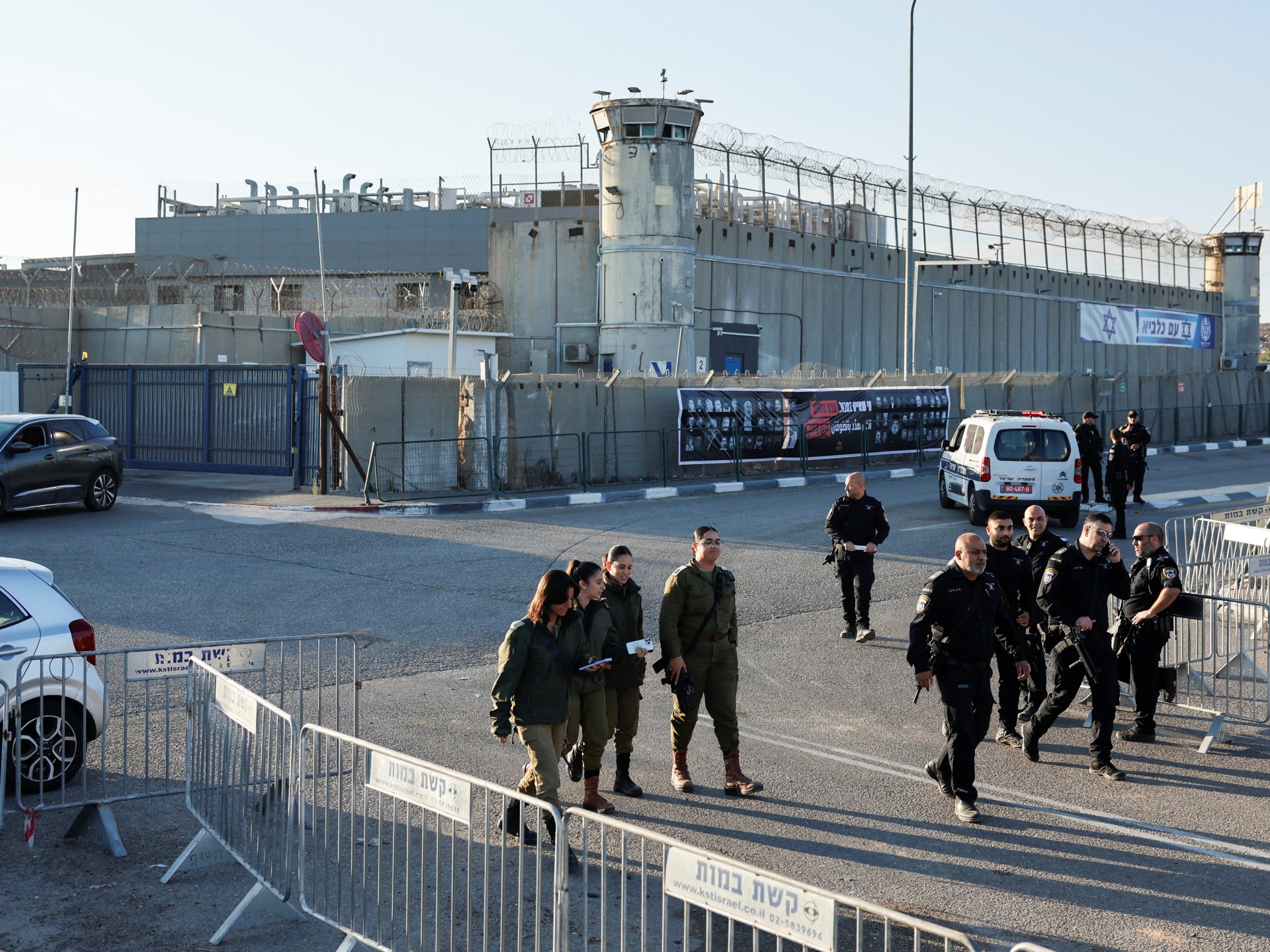
Palestinian prisoner advocacy groups are urgently calling for human rights intervention, alleging severe mistreatment and ‘collective abuse’ of Palestinian prisoners within Israeli prisons. The claims highlight a significant deterioration in conditions, particularly as winter sets in.
According to a statement released by the Prisoners’ Media Office, Ramon Prison has witnessed a ‘dangerous escalation’ throughout December. The office details a series of repressive measures targeting prisoners already facing dire humanitarian circumstances.
The statement specifically cites three consecutive raids on prisoner cells within Ramon Prison, occurring on December 14th, 16th, and 19th. These raids reportedly involved the violent assault and indiscriminate ‘collective abuse’ of prisoners. The Prisoners’ Media Office emphasizes that these abuses are compounded by the continued imposition of harsh isolation conditions without any sign of improvement.
The advocacy group asserts that Palestinian prisoners are being deprived of ‘the most basic necessities of life,’ with solitary confinement posing an increasingly grave threat to their well-being. They further report that prisoners are enduring extremely cold conditions with inadequate heating and a severe shortage of winter clothing.
The Prisoners’ Media Office warns of the ‘direct negative impact’ on the prisoners’ physical health and resilience, exacerbated by a policy of deliberate neglect and failure to address fundamental needs. They condemn the alleged violations within Israeli prisons as ‘punitive measures and systematic collective punishment.’
The office holds Israel ‘fully responsible’ for the safety and well-being of the prisoners, cautioning against the ‘dangerous consequences’ of continued isolation and repression. They are urgently appealing for human rights organizations to intervene and halt the alleged abuses within Israeli prisons.
Reports indicate that the number of Palestinian prisoners held in Israeli jails is substantial, including women and children. The figures exclude detainees held in military camps, including prisoners from Lebanon and Syria.