China Rejects Any Attempt to Divide Somalia
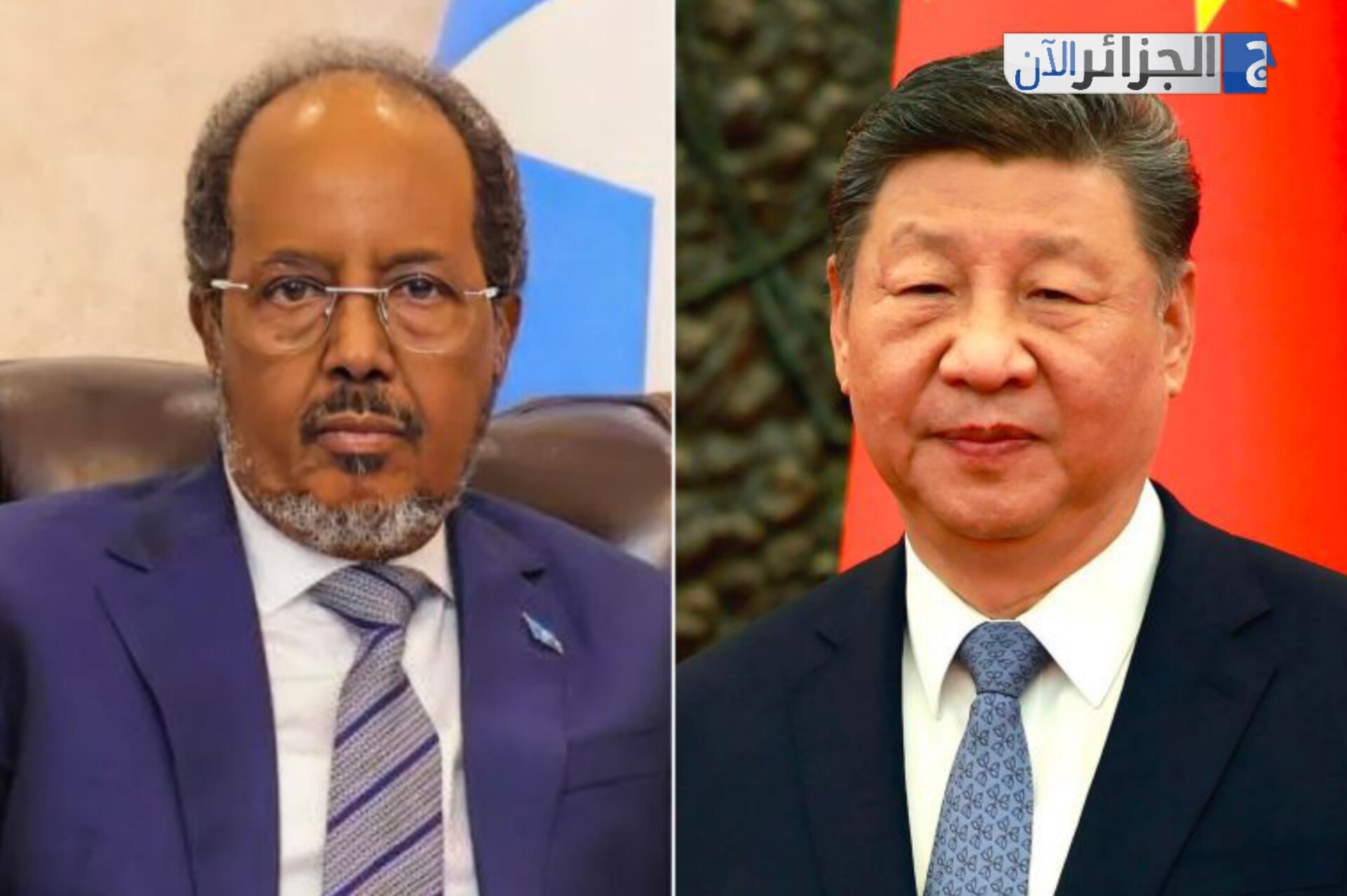
Beijing has reaffirmed its unwavering support for Somalia’s sovereignty and territorial integrity, denouncing any efforts aimed at partitioning the country. This position reflects China’s consistent policy of upholding the sovereignty of nations.
During a regular press briefing, Chinese Foreign Ministry Spokesperson Lin Jian stressed that no country should encourage or support separatist forces within other nations to serve what he termed ‘selfish interests.’ He also urged authorities in the ‘Somaliland’ region to cease separatist activities and refrain from colluding with external parties.
This statement comes after a controversial move by another nation to officially recognize ‘Somaliland,’ a self-declared independent entity. This recognition has sparked widespread debate on both regional and international levels, particularly as the recognizing nation explores avenues of cooperation with ‘Somaliland’ in sectors such as agriculture, health, and technology.
The ‘Somaliland’ region’s strategic location in the Horn of Africa, bordering countries like Ethiopia and Djibouti, and its proximity to vital maritime routes, adds to the sensitivity of the situation. Its location near the Gulf of Aden, the Red Sea, and the Bab el-Mandeb Strait, a crucial global maritime chokepoint for trade between the Mediterranean Sea and the Indian Ocean, further amplifies these concerns. The heavy presence of international naval forces in the area also contributes to the region’s volatility.
Analysts believe that any alteration to the status of ‘Somaliland’ could have far-reaching geopolitical consequences, extending beyond Somalia’s borders and potentially triggering broader shifts in one of the world’s most sensitive regions in terms of security, navigation, and international balance.