UAE Announces Troop Withdrawal from Yemen: What Has Changed?
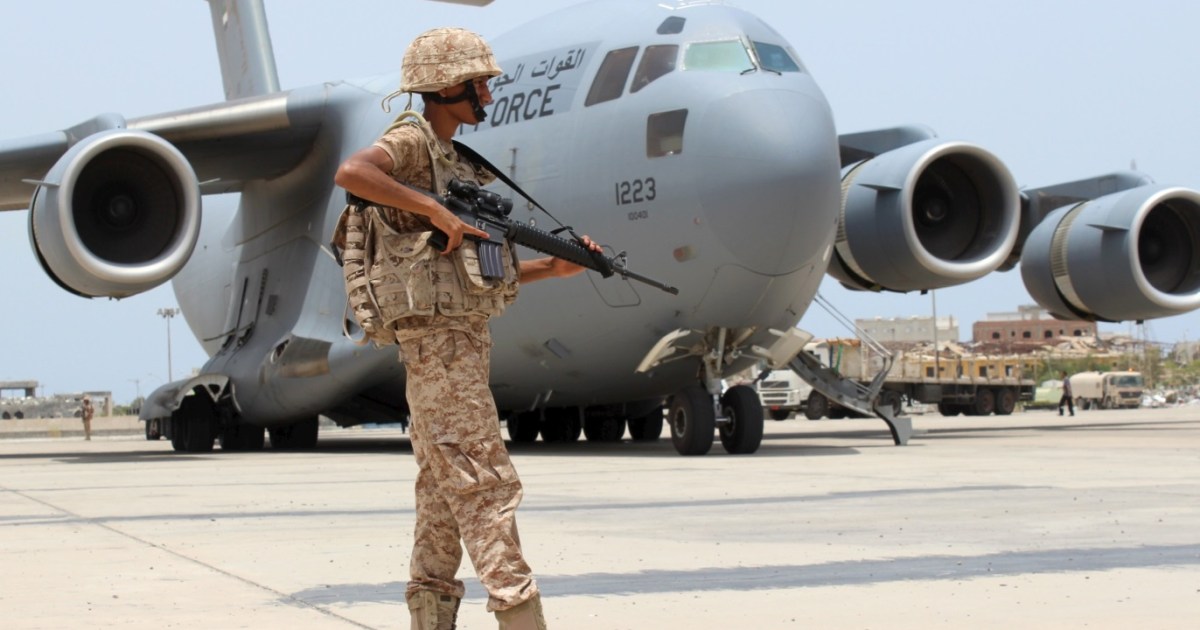
Abu Dhabi has declared the conclusion of its remaining counter-terrorism operations in Yemen. The UAE Ministry of Defense stated the decision was made independently and in coordination with partners. This announcement follows reports of demands for Emirati forces to fully withdraw from the country, raising questions about the scope and implications of this move.
According to sources, the decision specifically targets counter-terrorism units. These units are described as limited in number and function, not representing a widespread combat presence. These forces were reportedly stationed in key areas, including the oil-rich Shabwa province, Mayun Island in the Red Sea, and the Socotra archipelago.
Local sources in Shabwa province indicate that the UAE has begun dismantling radar and communication equipment at the Belhaf and Marah military camps, signaling preparations for withdrawal. This limited activity follows the UAE’s prior announcement that its formal military presence in Yemen ended in 2019, with remaining operations focused on specific tasks.
While the timing of the announcement coincided with calls for withdrawal, Emirati officials maintain the decision is based on a comprehensive assessment of the situation and not in response to external pressure. However, the timing gives the decision political significance, representing a calculated exit from a costly engagement while maintaining flexibility.
Reports suggest the UAE’s move aligns with the position of the Yemeni Presidential Leadership Council and Saudi Arabia, which strongly supports this course of action. It is important to note that this withdrawal does not necessarily equate to a complete departure from Yemen. Indirect influence, such as support for allied local forces and security interests, will likely persist.