Analyst: Military Force Won’t Resolve South Yemen Crisis
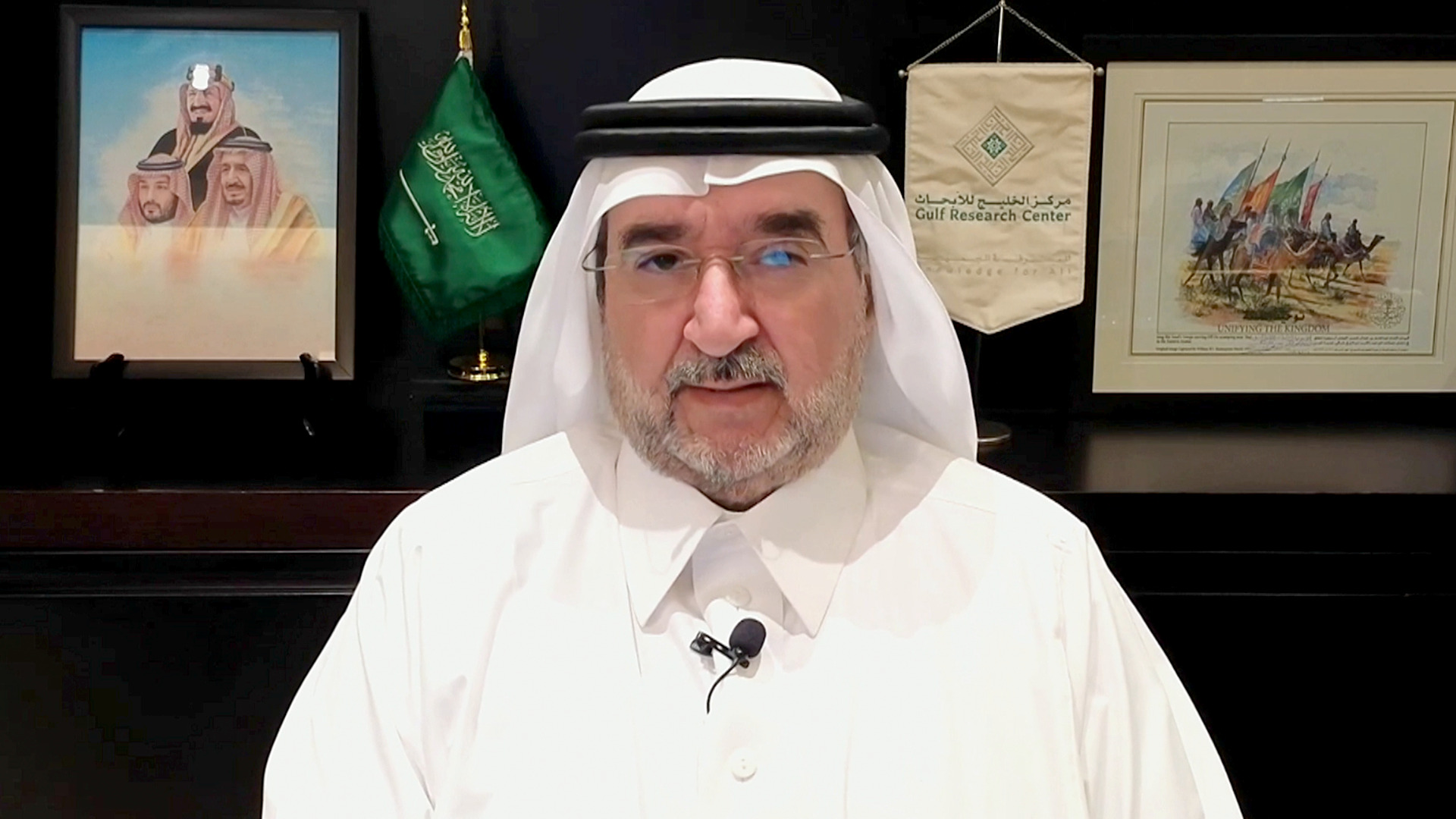
A Saudi researcher argues that military force will not resolve the ongoing crisis in southern Yemen. Dr. Abdulaziz bin Saqr, head of the Gulf Research Center, believes the Southern Transitional Council’s (STC) declaration of a two-year transitional period, followed by a referendum on southern independence, represents a dangerous escalation that could hinder political solutions and exacerbate tensions.
Dr. bin Saqr stated that Saudi Arabia and the Gulf coalition have previously affirmed the justice of the southern Arabian cause and opened the door for political dialogue with all parties to achieve rights without resorting to force. He emphasized that the use of weapons and attacks on various regions have forced other parties to confront these threats.
He argues that the STC’s escalation does not represent all regions of southern Arabia, particularly Hadramout, Shabwa, Al-Mahra, and Socotra, where residents do not fall under the STC’s authority. He suggested the coalition might issue statements condemning the STC as an illegitimate force and hold rebellious military leaders accountable, potentially replacing them. Increased monitoring of seaports to prevent arms smuggling is also a possibility.
“The recent military movements in areas such as Hadramout, Al-Mahra, and Al-Dhale’ must be understood within the context of broader regional developments, including the security of the Red Sea and the situations in Sudan and Somalia,” Dr. bin Saqr noted. He added that the Kingdom has a long history of supporting southern Arabia, but seizing power by military force without representing all parties is unacceptable.
Dr. bin Saqr concluded by stressing the need for reason and prudence in addressing the southern crisis, advocating for a comprehensive political dialogue that guarantees the cessation of bloodshed and achieves stability and security in the region. He urged all parties to prioritize political solutions over military actions.