Venezuela: Key Players Emerge After Maduro’s Arrest
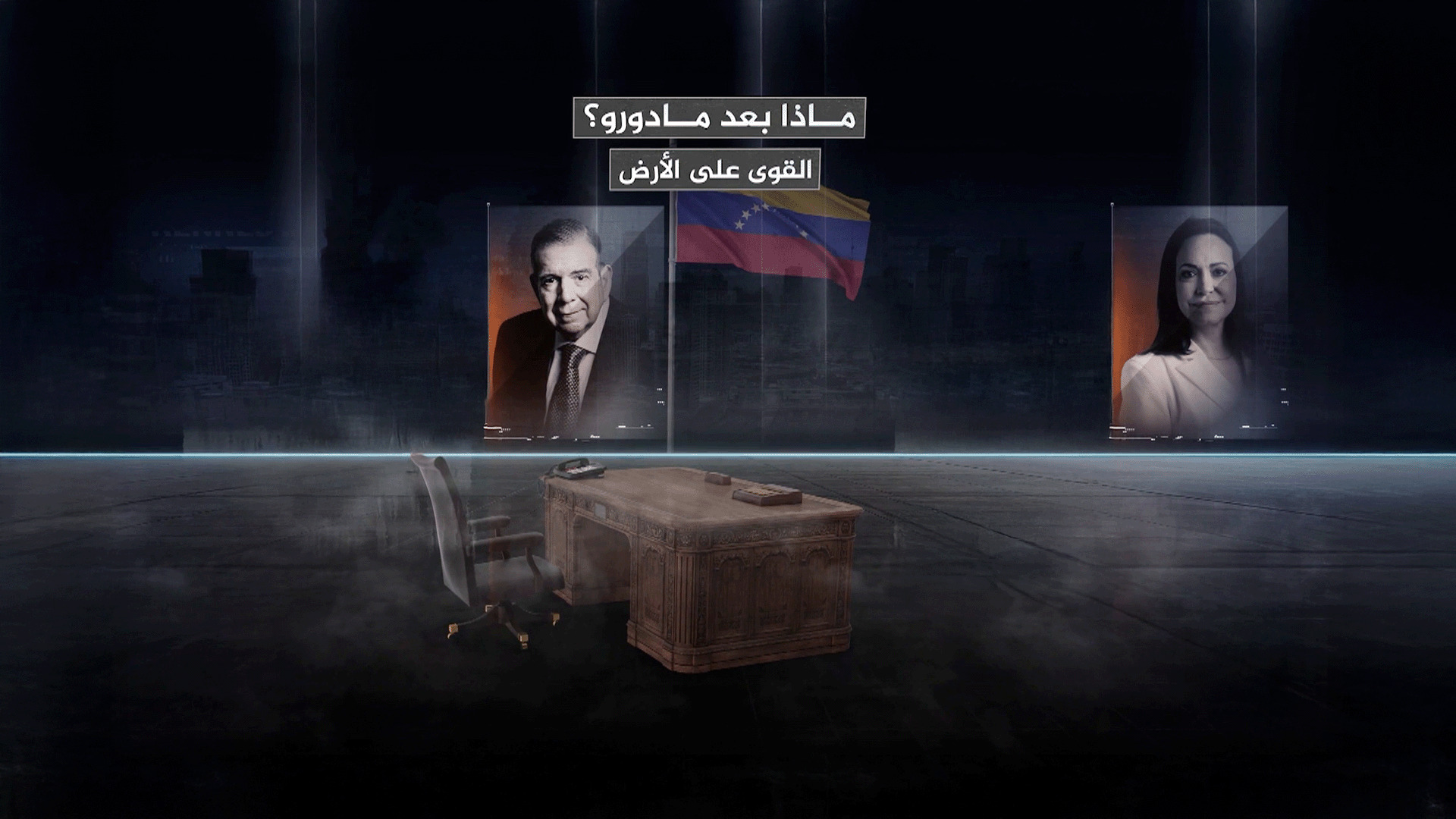
Following the apprehension of Venezuelan President Nicolas Maduro, orchestrated by the United States, the world is closely monitoring the unfolding situation in Venezuela. Anticipation is building for a potential escalation of conflict between the existing government and opposition forces. A critical question remains: what role will the Venezuelan military play in the coming days?
Several key players are emerging as central figures in Venezuela’s future, each with potentially significant influence. Their perspectives on the recent events and the future direction of the country differ sharply.
Views on the U.S. action are deeply divided. While some opposition figures view Maduro’s removal as an opportunity for change, others fear a descent into chaos, potentially destabilizing the entire region. The path forward hinges on the actions of key figures and existing constitutional frameworks.
The Venezuelan constitution outlines a succession process. Article 233 dictates that in the event of the president’s absence, Vice President Delcy Rodriguez assumes power. Within 30 days, Rodriguez is mandated to call for presidential elections. The newly elected president would then serve a six-year term. If this scenario unfolds, Maduro’s removal would not necessarily represent a complete regime change.
The opposition is comprised of two main factions. One is led by Maria Corina Machado, a Nobel Peace Prize laureate, who supports U.S. intervention. This faction considers Edmundo Gonzalez, who ran against Maduro in 2024, as the legitimate president, and Machado has stated she is preparing for an organized and peaceful transition of power. The other faction is led by Henrique Capriles, who has challenged Maduro in previous elections. This group opposes foreign intervention and advocates for negotiation with the government. Capriles views Machado as extremist, raising questions about potential cooperation between the two opposition factions.
Despite the opposition’s preparations, the loyalty of the military, or at least its leadership, to Maduro appears to remain steadfast. This is despite the country’s significant economic challenges, suggesting the military’s role will be crucial. Defense Minister Vladimir Padrino Lopez has declared that the military will resist any foreign intervention, denouncing Maduro’s arrest as an act of aggression and an invasion.
The coming days will be critical in determining Venezuela’s future. The interplay between constitutional procedures, the actions of key political figures, and the stance of the military will shape the country’s trajectory.