Palestinian Official Seeks Gaza Deal Progress Amid Israeli Obstacles

Cairo hosted discussions yesterday focused on advancing the implementation of the Gaza ceasefire agreement, specifically the transition to the second phase of the plan initially proposed by former US President Donald Trump. Hussein al-Sheikh, a senior Palestinian official, led the delegation seeking to solidify the agreement, even as accusations of violations mount against Israel.
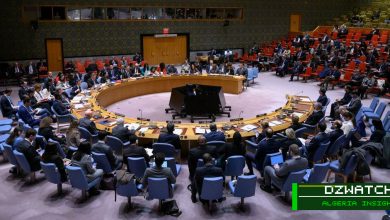
Al-Sheikh, in a post on social media, stated he met with both Egyptian Intelligence Director Hassan Rashad and Egyptian Foreign Minister Badr Abdel Atti in separate meetings. The discussions, also attended by Palestinian Intelligence Chief Majed Faraj, centered on achieving stability within Palestinian territories and pushing forward with the next stage of the Trump plan and related UN Security Council resolutions. Strengthening coordination to address challenges facing Palestine and the broader region was also a key topic.
Hamas Accuses Israel of Violations
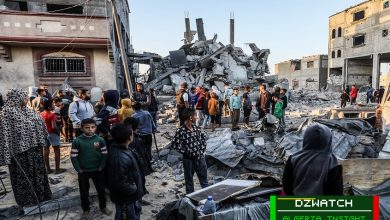
Meanwhile, Hamas has accused Israel of escalating breaches of the ceasefire agreement. The group alleges increased killings of civilians and encroachment south of Khan Younis. They further claim Israel is intensifying the demolition of homes in eastern Gaza, perpetuating what they describe as demographic cleansing. Hamas also criticized the continued closure of the Rafah crossing and restrictions on aid entering Gaza, actions they say contradict the terms of the ceasefire.
Hamas views these actions as a deliberate strategy to undermine the agreement, which has been endorsed by all parties involved. The group is calling on mediators, guarantor states, and participants of the Sharm el-Sheikh summit to exert pressure on Israel to cease its violations.
Rafah Crossing and Future Steps
These diplomatic efforts and accusations coincide with reports in the Israeli press suggesting that security officials in Tel Aviv are preparing to reopen the Rafah crossing between Gaza and Egypt to Gazan residents in the near future. The timing and conditions of the reopening remain unclear, but the move could ease some of the humanitarian pressure on the Gaza Strip.