Amoura and Lumumba: Moroccan Media’s Fabrications Exposed
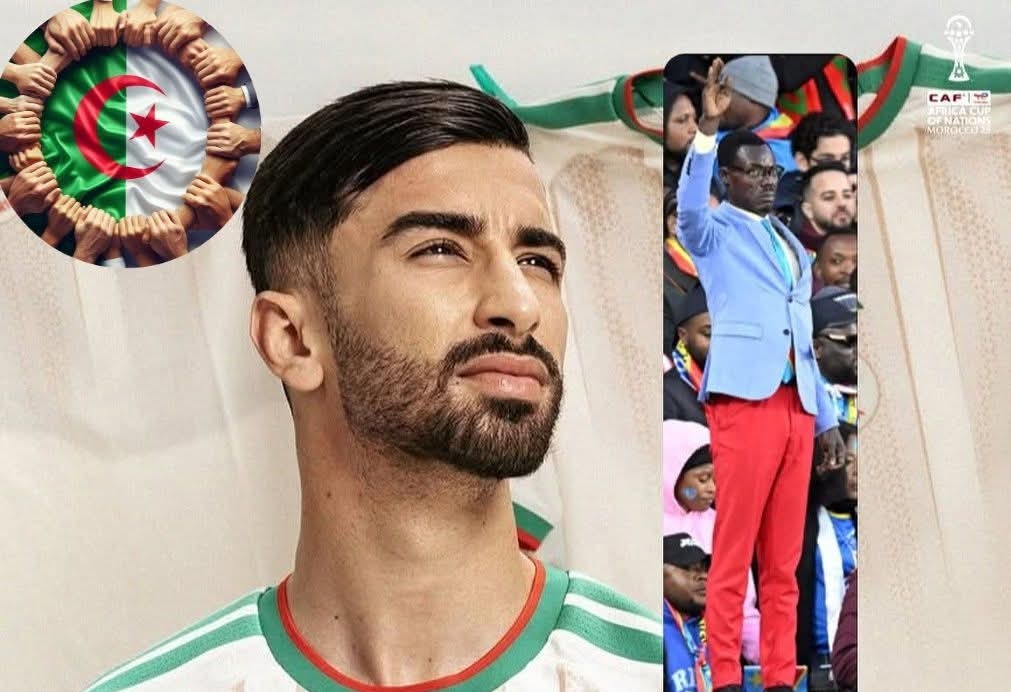
DZWatch Exclusive: The latest attempt by Moroccan media to smear Algeria has backfired spectacularly, revealing a pattern of misinformation and outright lies. This relentless propaganda machine consistently twists innocuous events into scandals and portrays ordinary actions as crimes, simply because they involve Algerians.
Recall the absurd incident involving a purported “covered portrait” of the Moroccan King at a hotel? Algerian delegates were falsely accused of concealing the image upon their arrival in Rabat. There was no evidence, no photograph, no witnesses – just a baseless accusation that fueled a full-blown media frenzy.
And who can forget the alleged “stolen ball” incident? A member of the Algerian delegation was accused of stealing a practice ball from the stadium! A football! As if the Algerian national team needed to pilfer balls from Morocco! The absurdity reached unbelievable levels, yet the Moroccan media machine knows no bounds in its descent into the ridiculous.
Now, the Mohamed Amine Amoura affair represents the latest chapter in this ongoing saga of systematic slander. Following Algeria’s dramatic 1-0 victory over DR Congo, Amoura, in a moment of spontaneous joy, approached the Congolese fan, Michel Koka Mbuladinja, famous for standing motionless for the entire match in tribute to Patrice Lumumba.
In the heat of the moment, Amoura mimicked the fan’s pose (raising his arm) and then playfully fell to the ground, a purely sporting gesture symbolizing “defeating the Leopards.” He was under the impression, like many, that the fan was simply supporting his team and wasn’t aware that the pose carried historical weight and a deep symbolic connection to Patrice Lumumba.
However, upon realizing the significance of the gesture, Amoura swiftly and sincerely apologized, stating on his official account: “I was not aware of what the person or the symbol on his shirt represented. What I did was just a light-hearted joke in a sporting context, with the spirit of a child, and without any bad intentions or desire to provoke anyone.” This clear and heartfelt apology highlights the difference between genuine remorse and the malicious intent often displayed by the Moroccan media.