Yemen’s Control Map Shifts Dramatically Amidst Recent Developments
Significant shifts in territorial control have reshaped the landscape of Yemen in recent weeks. The internationally recognized government now holds sway over an estimated 60% of the country, a notable increase attributed to its forces pushing back the Southern Transitional Council (STC) in several key governorates.
Previously, forces aligned with the STC controlled a larger portion of Yemen, extending their influence across the entirety of Hadramaut and Al Mahrah governorates in the east. This expansion was the result of a military operation launched in December, dubbed “Promising Future,” which involved clashes with the Hadramaut Tribal Alliance.
The situation evolved rapidly with the intervention of the “Nation Shield Forces,” loyal to the Presidential Leadership Council and backed by the coalition. These forces engaged the STC, leading to further territorial realignments.
A pivotal moment arrived with the STC’s dissolution, announced by Secretary-General Abdul Rahman Al-Subaihi during a meeting in Riyadh. The decision encompassed the disbandment of the council, its various bodies, and the closure of its offices both within Yemen and abroad.
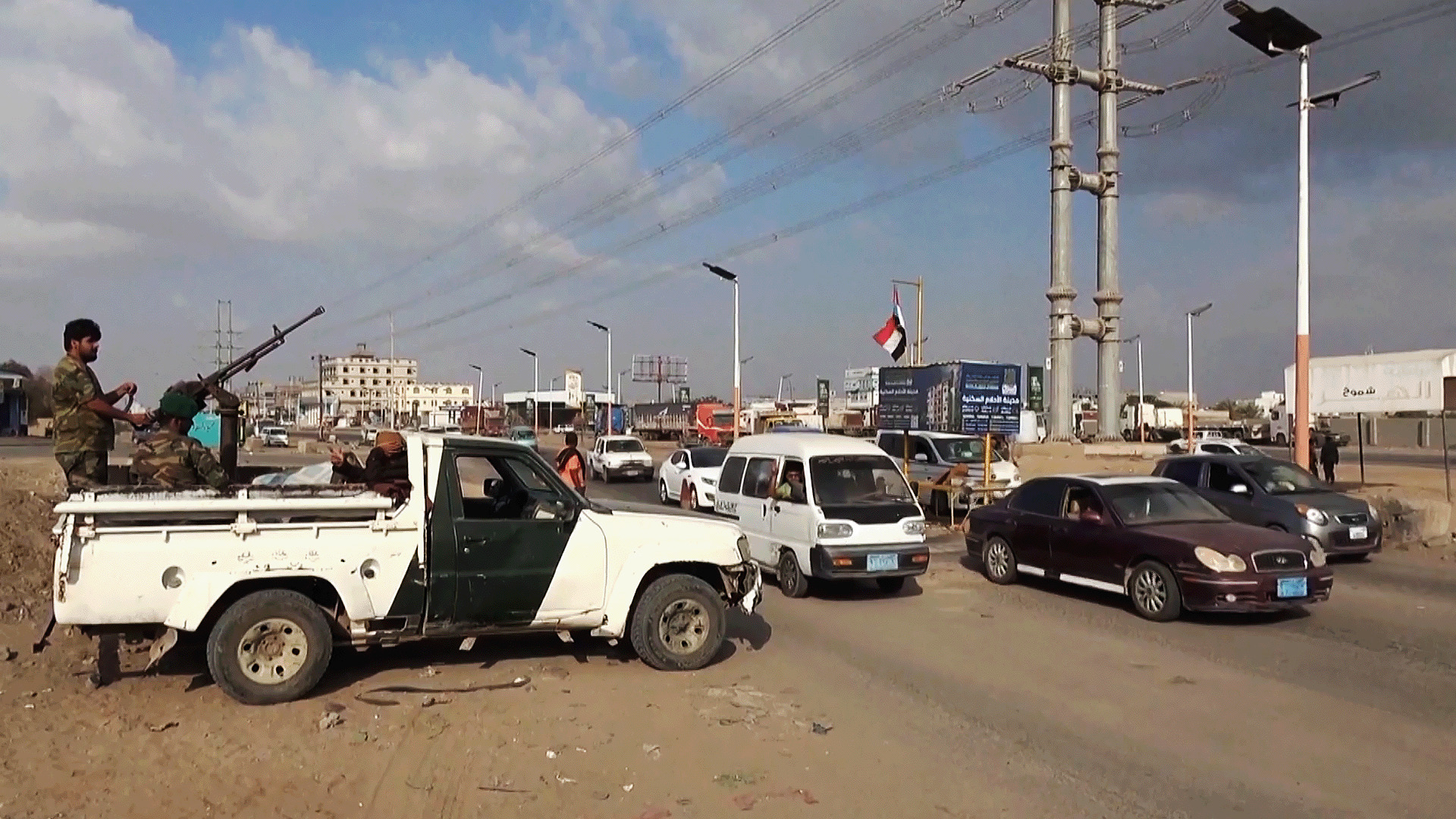
Following the STC’s self-dissolution, the Nation Shield Forces assumed control of numerous strategic sites and military camps stretching from Aden to Al Mahrah. This transition occurred in coordination with the Hadrami Elite Forces, the Giants Brigades, and the Security Belt forces – all previously affiliated with the STC.
The current distribution of power sees the Yemeni government and its allied forces controlling over 60% of the country, encompassing entire governorates. This represents a significant change in the balance of power and a potentially crucial turning point in the ongoing conflict. The implications of these shifts are still unfolding.