
Algeria Boosts Local Production of Pharmaceutical Raw Materials
Algiers, Algeria – Algeria is embarking on a series of national projects aimed at significantly increasing the domestic production of raw materials for the pharmaceutical industry, according to the Minister of Pharmaceutical Industry, Wassim Kouidri. The initiative seeks to reduce the country’s reliance on imported raw materials by an estimated 60% in the near future.
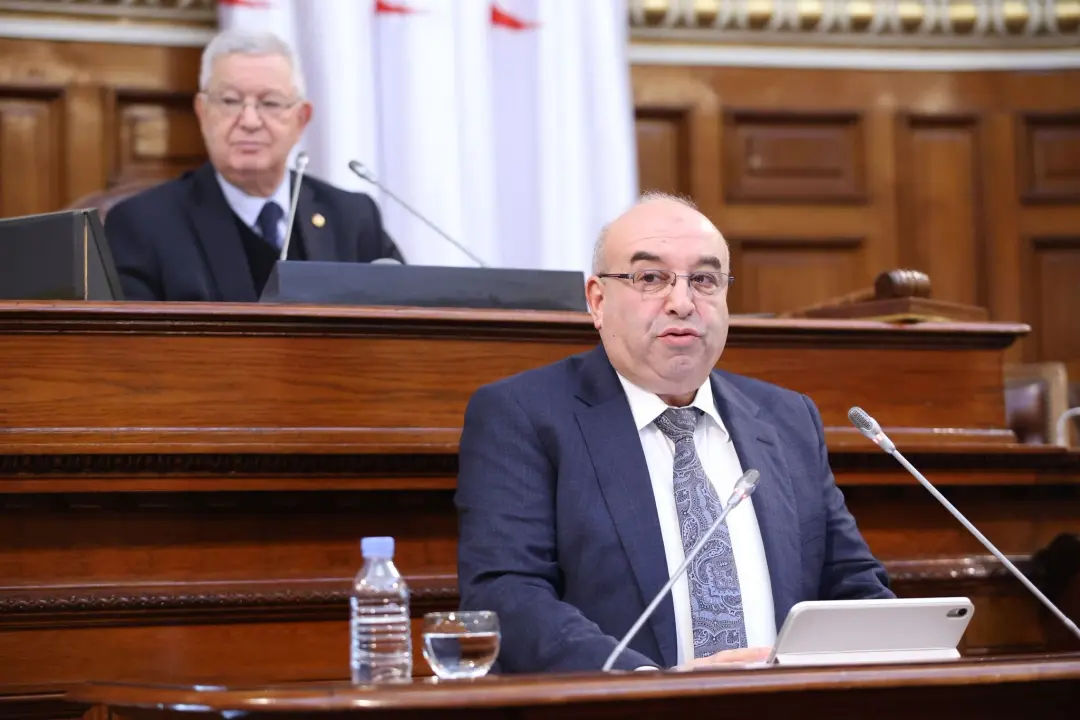
During a parliamentary session at the Council of the Nation, Minister Kouidri highlighted that state-owned pharmaceutical company, Saidal Group, has already commenced the implementation of key projects designed to curtail the nation’s current $3 billion import bill for pharmaceutical ingredients. The session was chaired by Azzouz Nasseri and attended by the Minister of Relations with Parliament, Nadjiba Djilali.
Kouidri emphasized the substantial progress Algeria has made in its pharmaceutical sector, noting that local production now covers approximately 82% of the domestic market. He asserted that Algeria is one of the few nations actively investing in this strategic sector to ensure local production of essential raw materials, facilitated by the acquisition of necessary production technologies.
“Achieving health sovereignty requires local production of raw materials,” Kouidri stated. He explained that the sector, through Saidal Group, is pursuing strategic projects to manufacture raw materials for critical medications, including those used in the treatment of cancer, antibiotics, cardiovascular diseases, diabetes, anti-inflammatory drugs, hormones, and paracetamol. Furthermore, the ministry is fostering joint ventures with private laboratories possessing significant manufacturing capabilities.
Regarding strategies to regulate the pharmaceutical and medical device industries and prevent shortages, the Minister affirmed the sector’s focus on ensuring product quality, organizing the market, curbing indiscriminate imports, and incentivizing investment in the production of medical supplies.
Addressing concerns about drug availability, Kouidri clarified that out of approximately 6,500 medications available in the market, only 16 are experiencing shortages due to global supply chain issues. He assured that alternatives are available for these products and that the Central Pharmacy of Hospitals has seen significant improvements in drug availability.
In response to a question about products for allergy, asthma, and chronic rhinitis testing, Kouidri indicated that the sector is actively encouraging investment in this area, with several projects underway to localize the production of innovative drugs in collaboration with specialized foreign laboratories. He affirmed the sector’s commitment to providing diagnostic pharmaceuticals according to the needs of the Pasteur Institute, while offering all necessary facilities for establishing local production units. The sector is also implementing carefully planned import programs.