Syria: Underground Tunnels Unveiled in Aleppo’s Sheikh Maqsoud
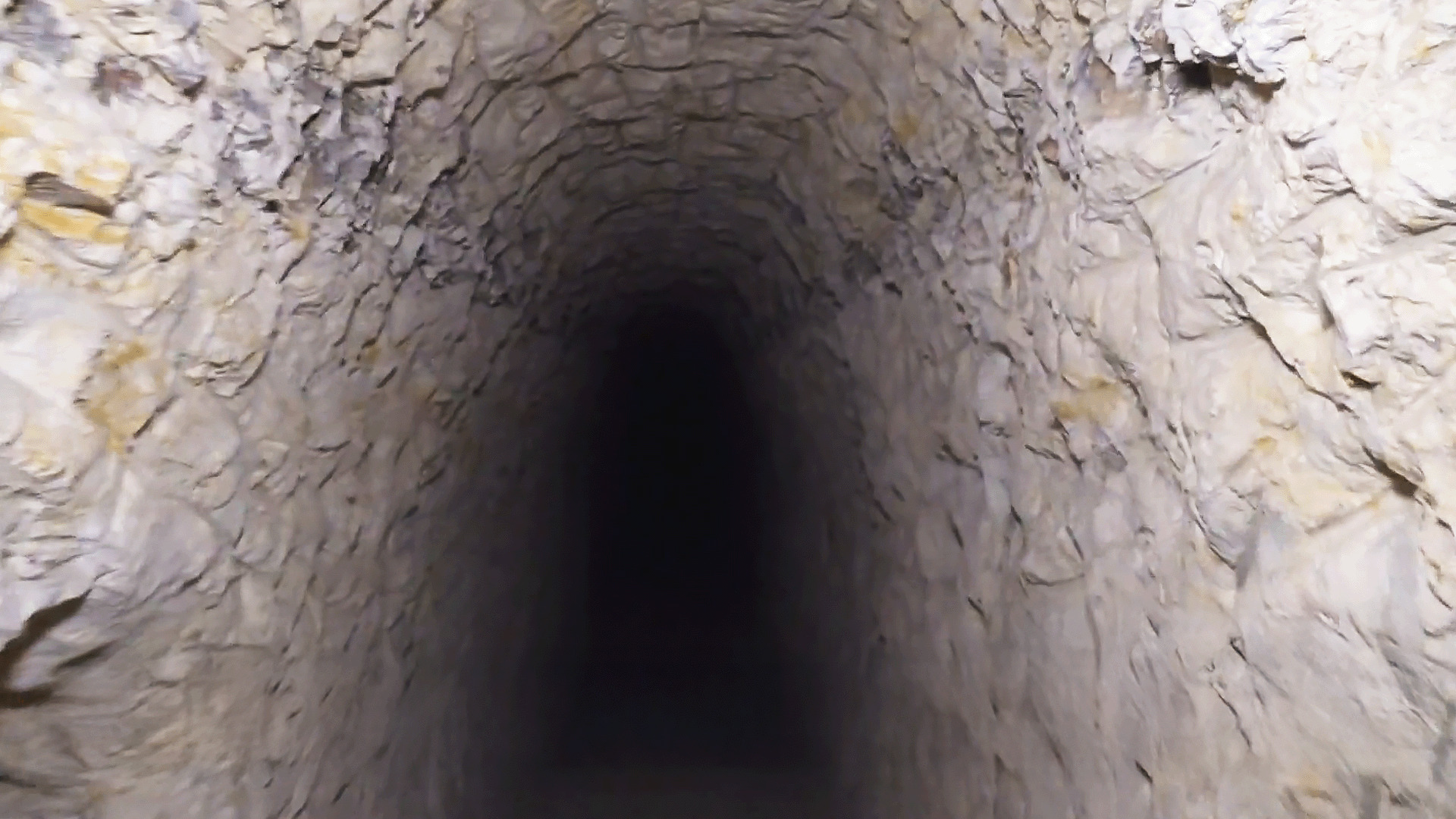
Amidst ongoing shifts in the security landscape of Aleppo, DZWatch gained rare access to a network of tunnels constructed by the Syrian Democratic Forces (SDF) in the Sheikh Maqsoud district. This discovery highlights the complexities of the post-conflict environment as life gradually returns to the Ashrafieh and Sheikh Maqsoud neighborhoods. The tunnels serve as a stark reminder of the extensive fortifications employed by the SDF during their control over parts of the city.
This observation coincides with reports from the Syrian Army’s operations command indicating the arrival of military reinforcements to SDF positions in the eastern Aleppo countryside, following recent clashes. The Army described these movements as a “dangerous escalation,” warning of a forceful response to any new military activity. Allegations persist regarding the presence of Kurdistan Workers’ Party (PKK) fighters and remnants of the previous regime within these reinforcements.
From within Sheikh Maqsoud, a DZWatch team entered one of these tunnels, the entrance of which was concealed within an apparently civilian structure. An unfinished concrete room, resembling an abandoned shop, concealed a square opening in the floor surrounded by sandbags. This opening led directly into an extensive network carved beneath the surface.
Inside the tunnel, the situation appeared intricate. Narrow passages carved into the rock, rough, unsupported walls, and frequent intersections every few meters create a veritable labyrinth. According to sources on the ground, these tunnels stretch for considerable distances beneath the neighborhood, forming what they described as an “entire underground village” used for movement, concealment, and managing confrontations.
Official estimates suggest that the dangers are not limited to the underground. Security officials warn of mines and improvised explosive devices (IEDs) planted by SDF fighters within the tunnels, as well as booby-trapped streets and residential buildings that were previously used as military headquarters.
These findings align with testimonies from returning residents who spoke of streets riddled with bullets and damaged homes, alongside a renewed sense of security with the deployment of security forces and civil defense teams. The presence of these tunnels underscores the challenges of rebuilding and securing Aleppo. Further investigation is needed to fully assess the extent of the tunnel network and its potential impact on the city’s future.