
2025 Ranked Among Hottest Years on Record Globally
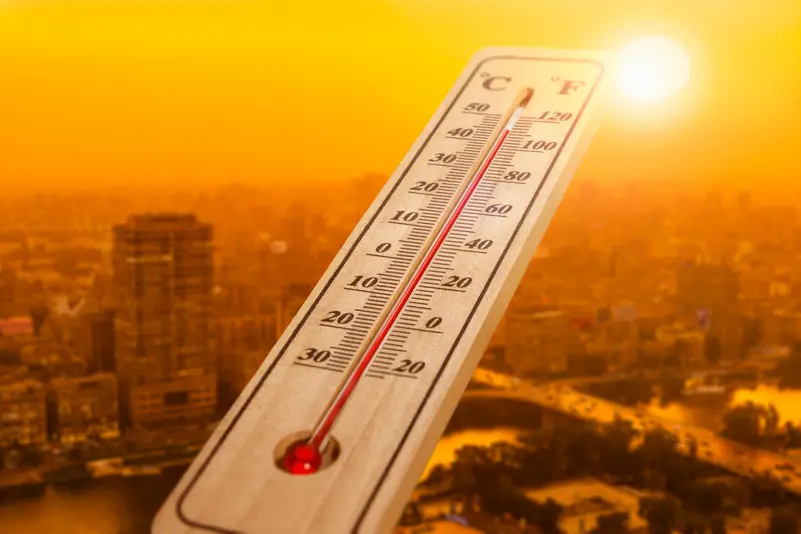
Global climate observations indicate that 2025 was among the hottest years ever recorded worldwide. Scientists predict that 2026 is likely to continue this trend of historically high temperatures.
According to recent reports, global temperatures over the past three years have reached unprecedented levels, exceeding pre-industrial (1850-1900) averages by approximately 1.5 degrees Celsius. This sustained increase underscores the accelerating pace of global warming and its potential consequences.
Experts note the exceptional surge in temperatures between 2023 and 2025, highlighting a worrying acceleration in climate change. Many climate scientists, political leaders, and international organizations have acknowledged that warming will likely persist at or above the 1.5-degree Celsius threshold, the most ambitious target set in the 2015 Paris Agreement.
With this threshold now consistently breached, projections suggest that a formal declaration of exceeding sustainable limits may occur before the end of this decade, significantly earlier than initially anticipated. Scientists estimate that 2026 could rank among the top five warmest years on record, potentially mirroring the temperatures observed in 2025.
Moreover, there’s a possibility that 2026 could become the warmest year since 1850, particularly if a strong El Niño event develops, triggering further temperature spikes. In 2025, the average surface temperature of the Earth’s land and oceans surpassed pre-industrial levels by 1.47 degrees Celsius, slightly below the record high of 1.60 degrees Celsius recorded in 2024.
These global averages mask extreme temperature variations in specific regions, including Central Asia, Antarctica, and the Sahel region. An estimated 770 million people worldwide experienced record-breaking heatwaves in their respective countries during the same period. These temperature extremes coincided with numerous severe weather events, including heatwaves, hurricanes, and intense storms across Europe, Asia, and North America, as well as devastating wildfires.