Gaza Transition Stalled by Disarmament, Withdrawal Hurdles
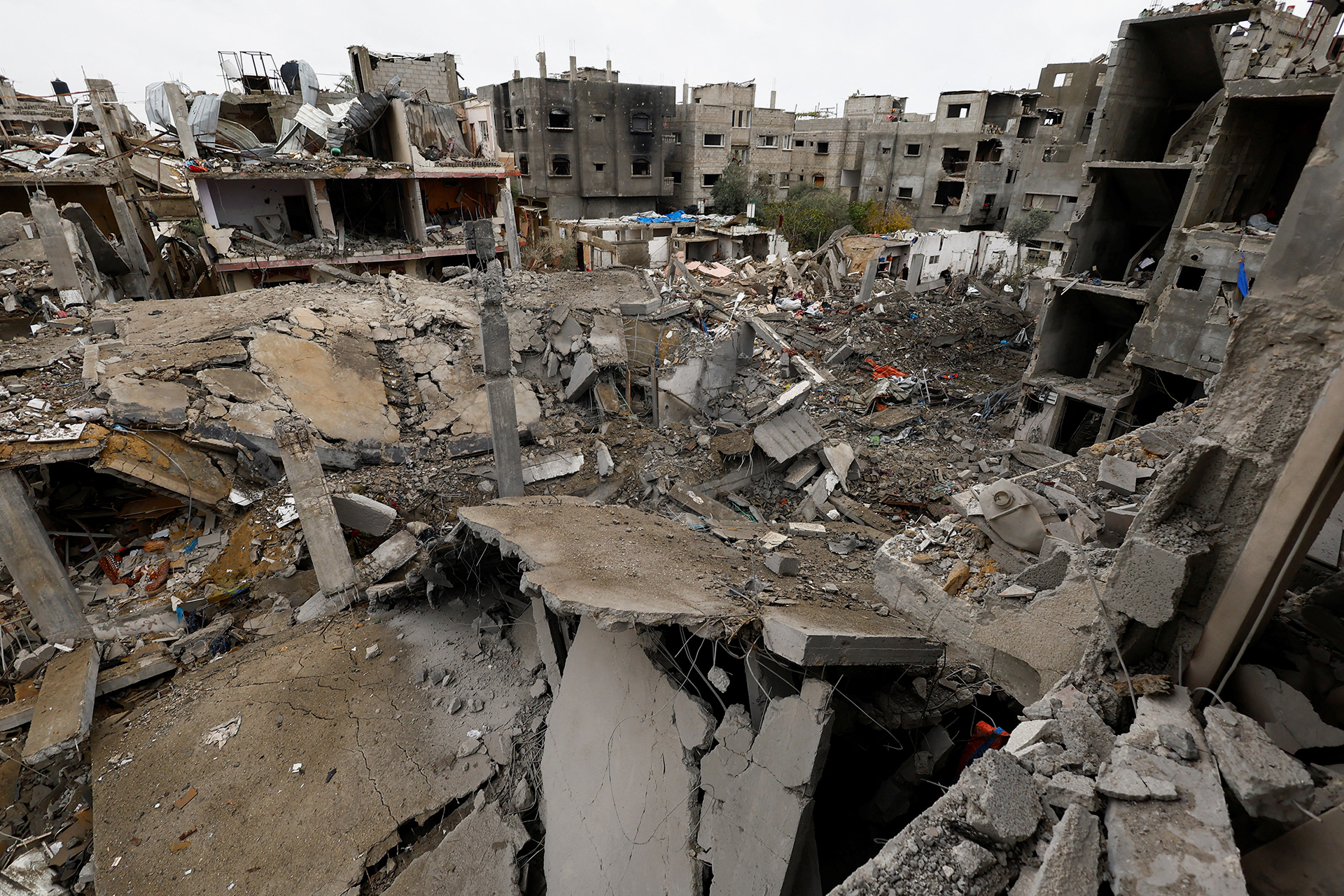
The announced commencement of the second phase of the Gaza ceasefire agreement, spearheaded by U.S. Envoy Steve Witkoff, has been met with scrutiny amid ongoing Israeli violations and significant on-the-ground challenges. The proposed phase includes the establishment of a “transitional Palestinian administration,” comprehensive disarmament, and complete reconstruction of the Gaza Strip.
These ambitious goals face considerable obstacles. Key among them are the logistics and political ramifications of disarming various factions within Gaza, alongside the complexities surrounding a full Israeli withdrawal. Questions remain about the feasibility of these objectives given the current volatile climate.
Witkoff has lauded the initial phase, citing unprecedented humanitarian aid delivery and maintenance of the ceasefire. He also anticipates the return of the remaining Israeli hostage’s remains by Hamas, warning of severe consequences should this not occur. The envoy expressed gratitude for the regional efforts of Qatar, Egypt, and Turkey, acknowledging their pivotal role in facilitating progress in Gaza.
However, an unnamed U.S. official revealed that there are currently no developments regarding the formation of an international peacekeeping force for Gaza. The official also clarified that the reopening of the Rafah crossing remains contingent on Israeli approval.
Prior to the official announcement, American media outlets reported details concerning the transition from the first to the second phase of the agreement. The New York Times suggested that the Trump administration intends to appoint former Palestinian Deputy Minister of Planning, Ali Shaath, to lead the prospective committee. This “technocratic committee” aims to bolster President Trump’s plans for Gaza.
Meanwhile, the office of Israeli Prime Minister Benjamin Netanyahu, who is wanted by the International Criminal Court, stated that Hamas must adhere to the terms of the Gaza agreement, including making every effort to return all abductees.
Hamas, through its media advisor Taher al-Nunu, welcomed the formation of the administrative committee for the Gaza Strip. Al-Nunu also accused Israel of attempting to evade the terms of the ceasefire agreement. The success of this second phase hinges on overcoming these significant hurdles and fostering genuine cooperation amongst all parties involved.