
Oil Prices Decline Amid Easing US-Iran Tensions
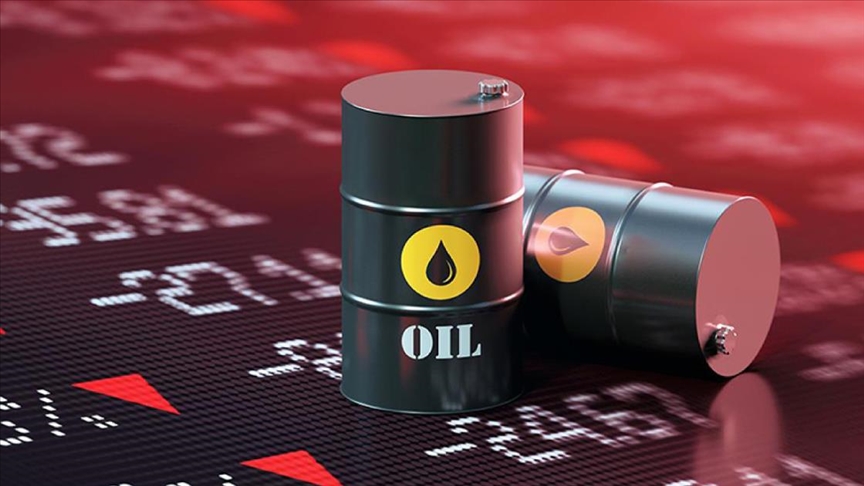
Oil prices experienced a significant drop in early Asian trading on Thursday, falling by over 2%, as concerns surrounding a potential military escalation by the United States against Iran subsided. This decline follows statements from Washington suggesting a de-escalation in the response to recent protests within Iran, alleviating fears of military action and potential disruptions to oil supplies.
By 01:09 GMT, Brent crude futures had fallen by $1.67, or 2.5%, to $64.85 a barrel. West Texas Intermediate (WTI) crude futures also decreased, dropping $1.54, or 2.5%, to $60.48 a barrel. Both benchmarks had risen by over 1% during Wednesday’s settlement.
Analysts suggest that the downward pressure on prices stems from reduced expectations of a US military intervention in Iran. Furthermore, a larger-than-anticipated increase in US crude oil inventories has contributed to the price decline. US crude inventories reportedly reached 422.4 million barrels last week, exceeding forecasts that predicted a decrease of 1.7 million barrels.
The resumption of oil exports from Venezuela, after a period of decline due to US sanctions, has also added to the market’s supply pressures. The increase in Venezuelan exports is placing additional downward pressure on prices.
Looking ahead, OPEC forecasts a rise in oil demand in 2027, mirroring the growth rate observed this year. The organization also projects a near-perfect balance between supply and demand in 2026, indicating a period of relative market stability.