
OpenAI Launches ‘Translate’ to Challenge Google Translate
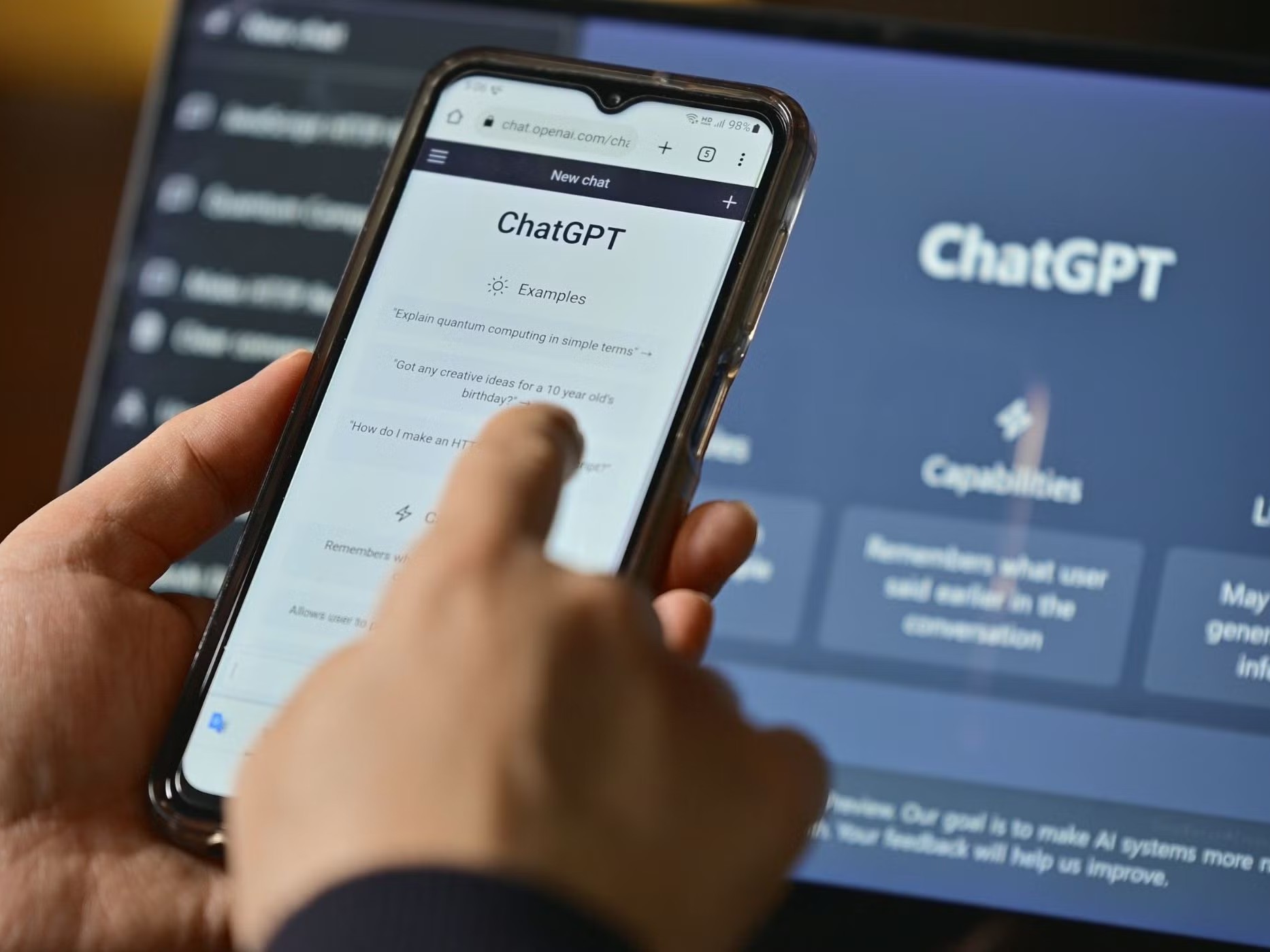
OpenAI has unveiled a new translation tool called ‘Translate,’ directly challenging Google Translate’s dominance in the market. The tool, accessible through the ChatGPT website, offers a streamlined interface for translating text between languages.
The initial design features a familiar layout with side-by-side input and output boxes, allowing users to enter original text and view its translation. The tool is designed to automatically detect the source language, simplifying the translation process.
A key differentiator, however, lies in its post-translation capabilities. Below the translation boxes, users are presented with options to refine the translated text. These options include enhancing the text for improved fluency and professionalism, converting it to a more formal tone, or simplifying it for clarity. Selecting any of these options seamlessly transitions the user to the standard ChatGPT interface, enabling further interactive editing and refinement of the translation.
Currently, the tool appears to be in its early stages of development. While reports suggest the ability to extract and translate text from images, this feature is not yet directly integrated into the tool. Questions also remain regarding the underlying AI model powering ‘Translate,’ with speculation on whether it utilizes the latest GPT-5.2 architecture. Notably, the tool is currently free to use and does not require an account.
The release of ‘Translate’ aligns with OpenAI’s strategy of offering specialized versions of its models, a trend recently exemplified by the launch of ‘ChatGPT Health.’ While Google has integrated its Gemini AI into Google Translate, a fundamental difference exists. Google Translate does not offer the interactive conversational refinement capabilities found in OpenAI’s tool. Furthermore, Google Translate currently supports a broader range of languages compared to OpenAI’s new offering.
DZWatch Analysis: The launch of ‘Translate’ signals a significant move by OpenAI to expand its reach beyond general-purpose AI. While Google Translate holds a substantial lead in language support and established user base, the interactive post-translation editing features of ‘Translate’ offer a compelling alternative for users seeking nuanced and refined translations. The competition between these AI giants will likely drive further innovation and improvements in translation technology.