Exiled Prince Calls for Military Action Against Iran
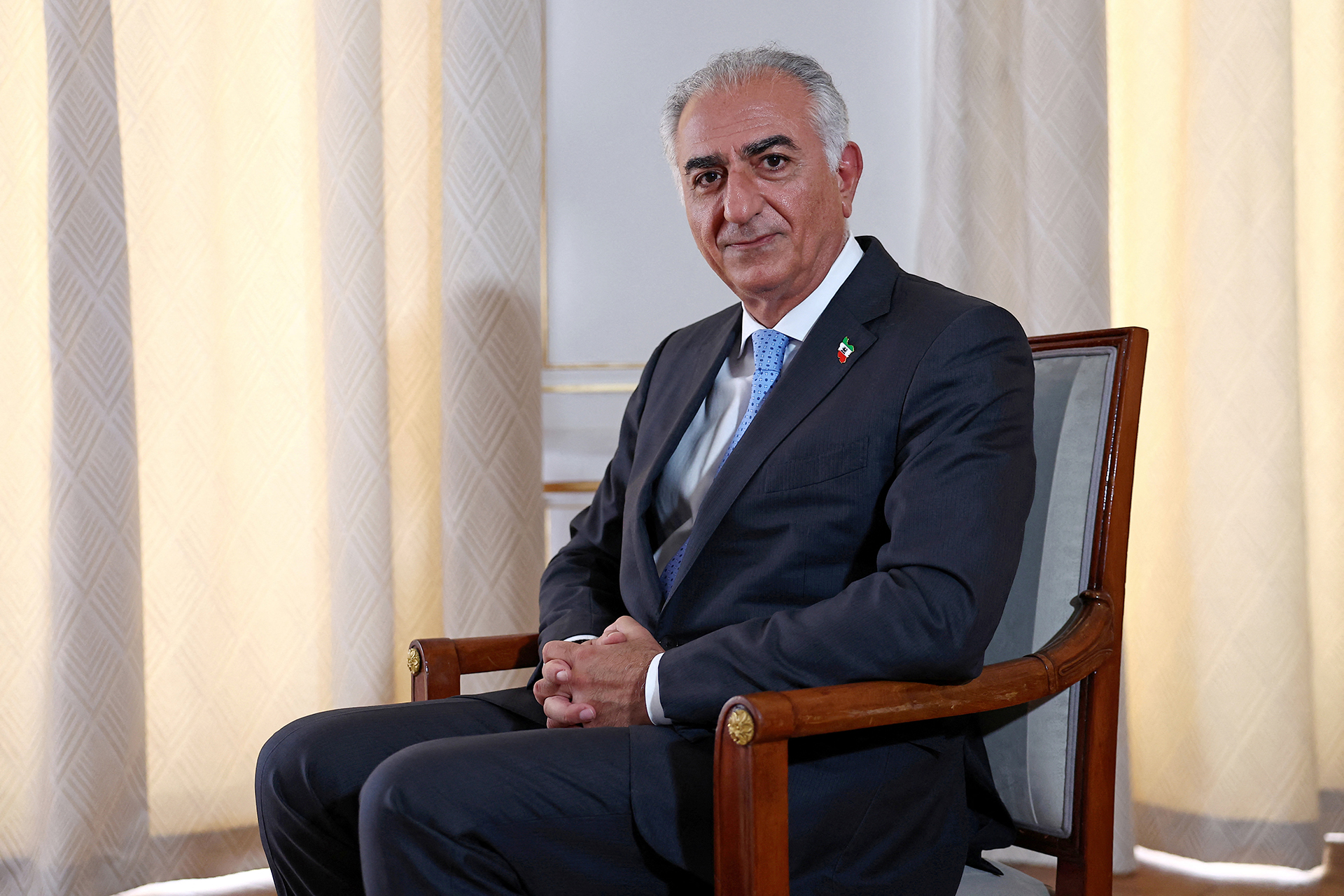
Reza Pahlavi, the son of the late Shah of Iran, has called for military strikes against the Islamic Republic to accelerate the downfall of the current regime. His appeal comes amidst ongoing protests and widespread discontent within Iran, fueled by economic hardship and political repression.
Pahlavi, 65, who has lived in exile since the 1979 Islamic Revolution that ousted his father, Mohammad Reza Pahlavi, is attempting to position himself as a leader of the opposition movement. He has repeatedly expressed his desire to return to Iran and assume a leadership role, proposing a 100-day plan to stabilize the country in the event of the regime’s collapse.
While Pahlavi’s name has surfaced in recent protests, with some demonstrators chanting his name, analysts suggest this may be more a reflection of antipathy towards the current leadership than genuine support for his return to power. The Wall Street Journal reports that many Iranians view Pahlavi as an unlikely leader, given his father’s autocratic rule and perceived subservience to the United States.
Nevertheless, Pahlavi is urging the international community to take decisive action against the Iranian government. He advocates for a range of measures, including cutting off funding to the regime, dismantling its oil shipping network, expelling Iranian diplomats, and deploying satellite internet technology to circumvent government censorship.
Most controversially, Pahlavi has explicitly called for military strikes targeting the Islamic Revolutionary Guard Corps (IRGC), arguing that such action is necessary to weaken the regime’s grip on power. This appeal for military intervention has drawn criticism, with some questioning the potential consequences of such action for the Iranian people and regional stability.
The protests in Iran, sparked by economic grievances and demands for greater political freedoms, represent a significant challenge to the ruling theocracy. Whether Pahlavi can capitalize on this unrest and emerge as a credible leader of the opposition remains to be seen. His controversial call for military action, however, is likely to further divide opinions within the opposition movement and raise concerns among international observers.