Syrian Decree on Kurds: A Turning Point or Political Maneuver?
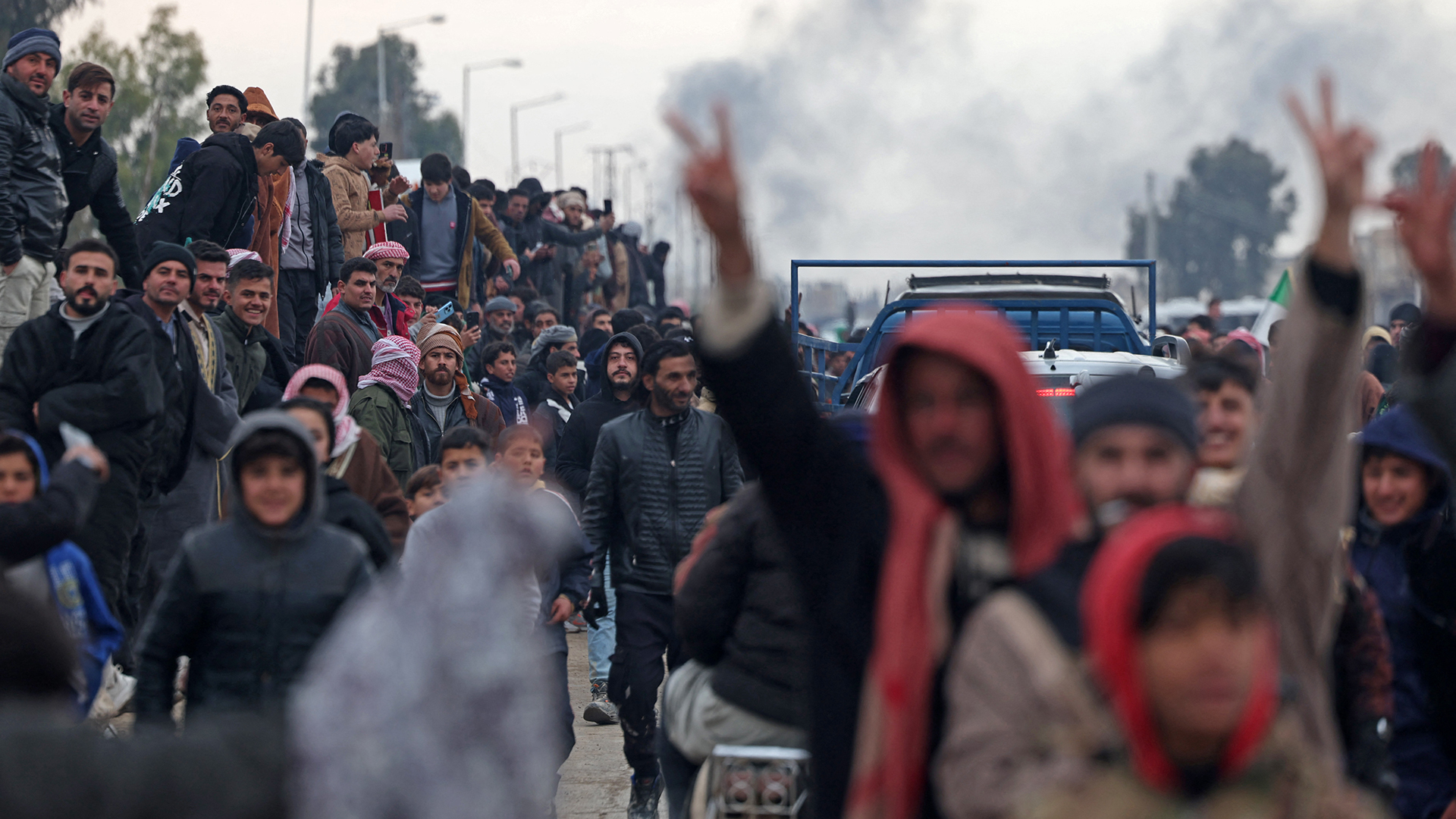
A recent decree issued by Syrian President Ahmad al-Shareh concerning the rights of Kurds has sparked both optimism and skepticism. While some view it as a landmark decision acknowledging the Kurdish community, others question its timing, particularly amidst ongoing clashes between the Syrian Army and the Syrian Democratic Forces (SDF) west of the Euphrates.
President al-Shareh, in a televised address Friday evening, announced the decree, stating it guarantees the rights and preserves the distinct identity of the Kurdish people within the framework of Syrian law. He urged Kurds not to believe narratives that seek to sow discord. According to the Syrian Arab News Agency (SANA), the decree affirms that Syrian Kurds are an integral part of the Syrian people, and their cultural and linguistic heritage is inseparable from the unified and diverse Syrian national identity.
Some analysts suggest the timing is significant. Ambassador Bassam Barabandi, a Syrian diplomat and researcher at a Washington-based international studies center, believes President al-Shareh intends to convey to the SDF that they do not represent all Kurds in Syria. He stated that the decree was issued without external pressure and was made public. Barabandi argues the decree underscores the protection of Kurdish rights independently of the March 10th agreement between Damascus and the SDF, which he describes as a security and political arrangement. He emphasized a genuine intention from Damascus to begin a new chapter for Syria.
Political researcher Osama Sheikh Ali echoed this sentiment, describing the decree as a historic moment for Syrian Kurds after attempts to deny and suppress their existence. He believes the decree rectifies this situation, acknowledging Kurdish culture and recognizing them as an indigenous component of Syria, while also opening avenues for political participation. Sheikh Ali also highlighted the timing, suggesting it counters a prevailing narrative, embraced by a significant portion of Kurds, that the Syrian government is targeting them in recent events.
However, skepticism remains. Some observers question the true motivations behind the decree, suggesting it is a strategic move aimed at weakening the SDF and consolidating government control in Kurdish-majority areas. The long-term impact of the decree on the ground remains to be seen, and its effectiveness will depend on the Syrian government’s commitment to implementing its provisions and addressing the underlying grievances of the Kurdish population. The future of Kurdish rights in Syria hinges on genuine dialogue and reconciliation.