Health Officials Emphasize Safe Fasting During Ramadan
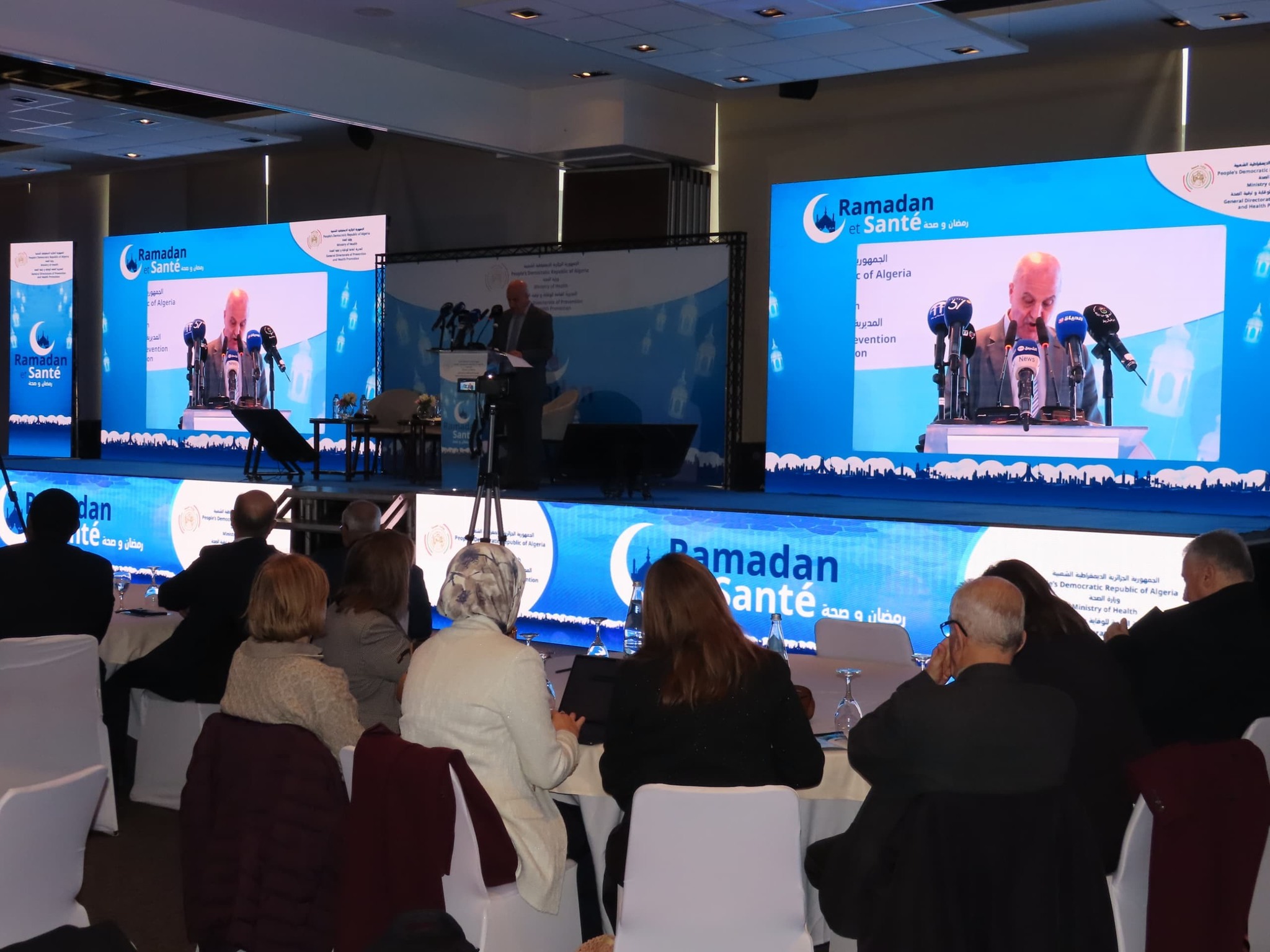
Algiers, January 21, 2026 – The Ministry of Health convened a study day focused on the intersection of Ramadan and public health. The event, entitled “Ramadan and Health,” took place at the Sofitel Hotel in Algiers.
The Secretary-General of the Ministry of Health, Mohamed Talehi, presided over the proceedings, which saw the participation of representatives from the World Health Organization in Algeria, the Secretary-General of the National Agency for Health Security, a representative from the Ministry of Religious Affairs and Endowments, and a host of medical experts.
In his opening remarks, the Secretary-General highlighted the importance of providing adequate care and attention to individuals with chronic illnesses. He emphasized that those suffering from diabetes, hypertension, cardiovascular diseases, kidney ailments, and respiratory problems may face significant health risks if they fast without close medical supervision or medication adjustments.
“Our responsibility lies in raising awareness among citizens with chronic diseases about the necessity of consulting their physicians before deciding to fast,” stated Talehi. “Only a doctor can accurately assess their health status and determine whether fasting is safe, requires modifications, or poses a genuine threat to their well-being.”
He further reminded the audience that adhering to medical advice does not contradict faith or diminish rewards. Rather, it reflects a profound respect for the value of life. Listening to one’s body, respecting the limitations imposed by illness, and adhering to treatment plans are all manifestations of wisdom and responsibility.
Diabetes serves as a prime example of the need for caution. Unregulated fasting can lead to dangerous fluctuations in blood sugar levels, dehydration, and other complications. Similarly, patients with heart and kidney conditions may face serious risks if they fail to follow medical recommendations. Special attention should be paid to the elderly, who often suffer from multiple chronic illnesses and may be more susceptible to fatigue, dehydration, and complications. The same applies to pregnant and breastfeeding women, and individuals taking regular medication.
Finally, the Secretary-General stressed that Ramadan should not be a source of social pressure or guilt, and no one should feel compelled to jeopardize their health. Protecting oneself is a duty, and prioritizing health is paramount.