Algeria Focuses on Agricultural Mechanization for Food Security
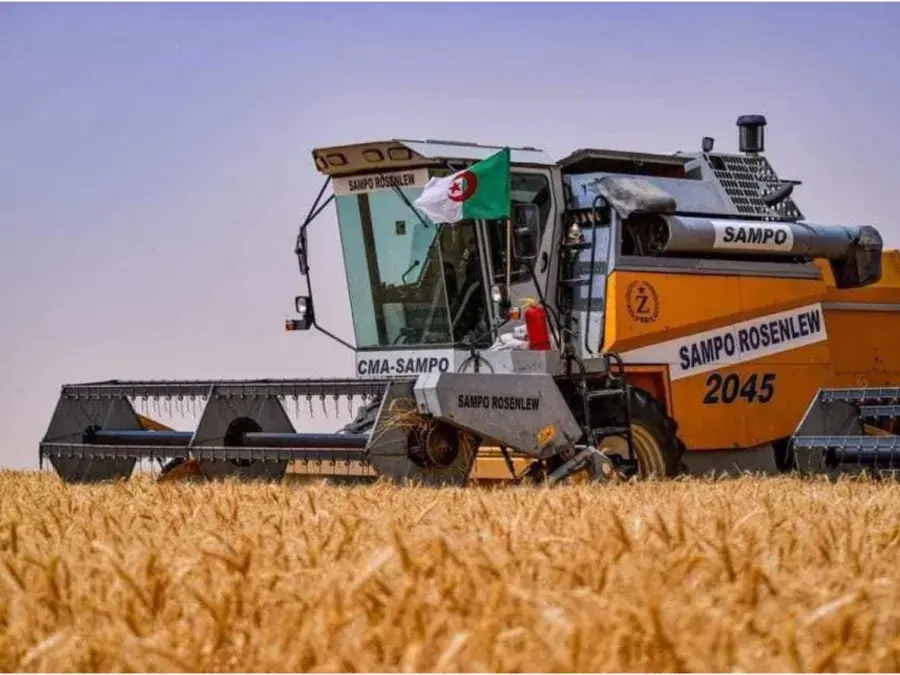
The Algerian government is placing a strong emphasis on agricultural mechanization as a key strategy to boost production and achieve food security. President Abdelmadjid Tebboune highlighted the importance of developing the agricultural sector as a strategic pillar for self-sufficiency during a recent working meeting dedicated to agricultural mechanization.
The meeting resulted in two key decisions. First, the creation of specialized cooperatives to lease agricultural equipment of all types to farmers. This initiative aims to expand cultivated areas and increase national production efficiency. Second, the establishment of a National Council for Agricultural Mechanization, comprising experts from the agriculture, industry, and higher education sectors. This council will be responsible for identifying practical problems and proposing technical solutions based on scientific agricultural approaches.
Minister of Agriculture and Rural Development, Yacine Mehdi Oualid, emphasized the potential impact of these decisions on sector productivity, particularly in the cereals sector. He noted that widespread mechanization and the adoption of modern technology could prevent the loss of 10 to 20 percent of production, which is currently caused by delayed harvesting or the use of non-standard equipment.
The goal is to increase the yield per hectare from the current 15 quintals to at least 30 quintals, through the use of suitable seeds, improved fertilizer use, and the expansion of irrigated areas.
According to Abdelatif Dilmi, Secretary-General of the National Union of Algerian Farmers, modern mechanization is the cornerstone of agricultural development. He stated that it has the potential to increase productivity by more than 50 percent, especially in strategic crops such as cereals, corn, and oilseeds.
Dilmi explained that the creation of specialized equipment leasing cooperatives would alleviate the financial burden on farmers, particularly young farmers, enabling them to use modern equipment without incurring heavy investments. It also allows larger farmers to share their equipment and provide services to smaller producers, fostering solidarity in expanding production.
The Algerian government’s commitment to agricultural mechanization signals a strategic shift towards modernizing the sector and ensuring food security for the nation.