Arabic Mandatory for Algerian Farmers’ Official Documents
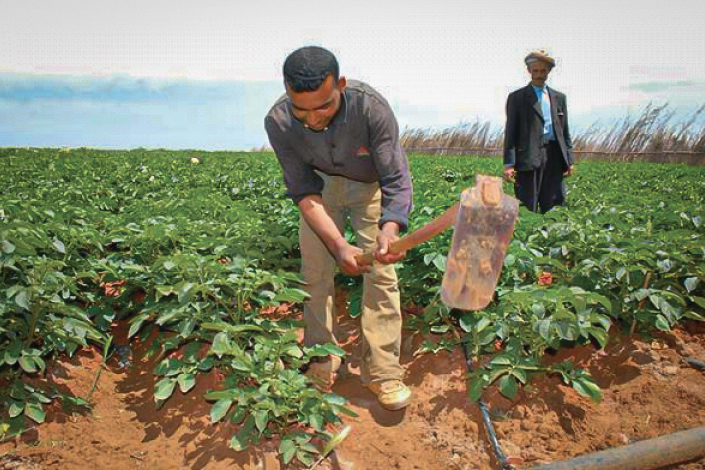
Algiers, January 21, 2026 – The Algerian Ministry of Agriculture has announced a strict new policy mandating the exclusive use of Arabic in all official communications and documentation related to farmers. Minister of Agriculture and Rural Development, Yassine El Mahdi Oualid, declared the definitive prohibition of the French language in administrative correspondence originating from his ministry.
The Minister emphasized that Arabic is now the “sole and exclusive option” when interacting with farmers and economic stakeholders. This decisive move aims to bolster national sovereignty and streamline transactions within the agricultural sector.
The announcement came in direct response to a parliamentary inquiry (number 9969) raised by MP Slimane Rezgani, who questioned the continued prevalence of French in administrative documents intended for farmers. Minister Oualid deemed this practice a clear violation of the constitution and Law 91-05 concerning the general use of the Arabic language.
The Ministry has activated a stringent ministerial directive, originally issued in July 2023 and subsequently updated, compelling all central departments, regional directorates, and affiliated bodies to fully Arabize all contracts, application forms, and meeting minutes. Furthermore, direct communication with farmers must be conducted in the national language to ensure clarity and reduce bureaucratic obstacles. The use of foreign languages will be strictly limited to “cases of extreme technical necessity” and must not compromise the core content of official documents.
Yassine El Mahdi Oualid clarified that this initiative aligns with the state’s vision for 2026, which seeks to modernize the agricultural sector and make it more accessible to citizens. He asserted that Algerian farmers, considered the “backbone of food security,” deserve clear and understandable administrative information, free from the complexities of legacy linguistic practices.
This policy shift coincides with major reforms underway in the agricultural sector, including a review of the agricultural guidance law and the digitization of administrative services, all aimed at enhancing field efficiency and supporting national production goals. This is a developing story.