Sudan Faces World’s Longest School Closures Amid Conflict
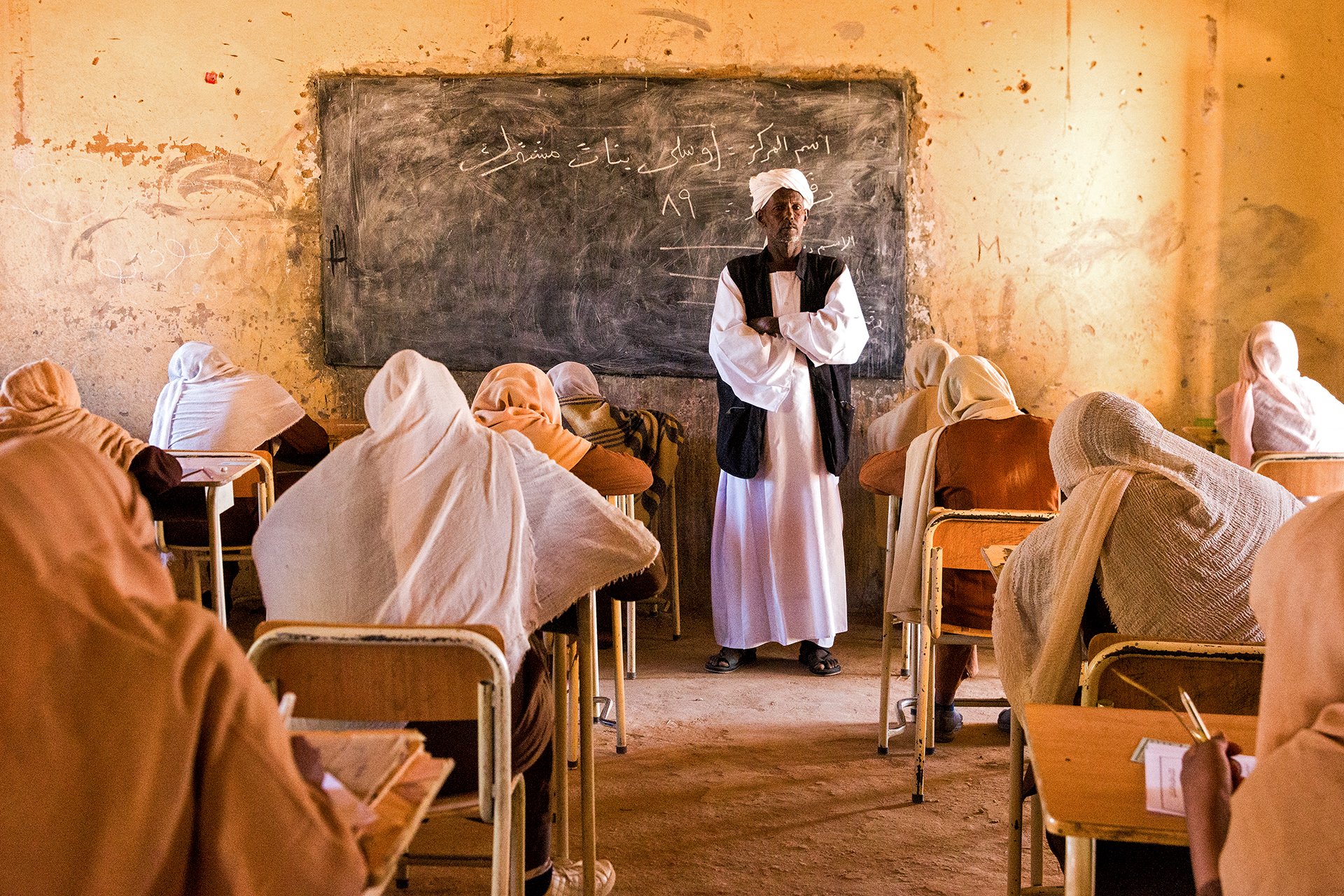
Sudan’s ongoing conflict has triggered what is being described as the world’s lengthiest school closure period, leaving over eight million children out of education, according to a recent report.
Save the Children, a leading humanitarian organization, issued a statement highlighting the dire situation, noting that approximately half of Sudan’s school-aged children, exceeding eight million individuals, have been deprived of classroom learning for an alarming 484 days. This surpasses even the extensive closures experienced globally during the COVID-19 pandemic.
The prolonged educational disruption stems from the devastating conflict that erupted in 2023 between the Sudanese Armed Forces and the Rapid Support Forces. The conflict has resulted in tens of thousands of fatalities, the displacement of millions of civilians, and widespread destruction of critical infrastructure, particularly impacting the health and education sectors.
Save the Children has warned that Sudan is currently grappling with one of the most severe education crises worldwide. Numerous schools have been forced to shut down entirely, while others have been damaged or repurposed as shelters for displaced populations. Darfur is particularly affected, with only a small fraction of schools operational.
The organization reports that in North Darfur, a mere 3% of over 1,100 schools are currently functioning. The Rapid Support Forces’ control of Al-Fashir, the state capital, since October, has further solidified their grip on the region. The conflict has also spread to the neighboring Kordofan region, where the influence of the Rapid Support Forces is steadily expanding. In West Kordofan, only about 15% of schools are currently operating.
Furthermore, a significant number of teachers have been compelled to abandon their posts due to suspended salary payments, exacerbating the collapse of the education system. This lack of teachers is having a devastating impact on children.
Inger Ashing, CEO of Save the Children, issued a stark warning, stating that a failure to invest in education will condemn an entire generation to a future dictated by conflict rather than opportunity. Without intervention, the future looks bleak.