

Jenin Refugees: Caught Between Military Operations and Aid Cuts
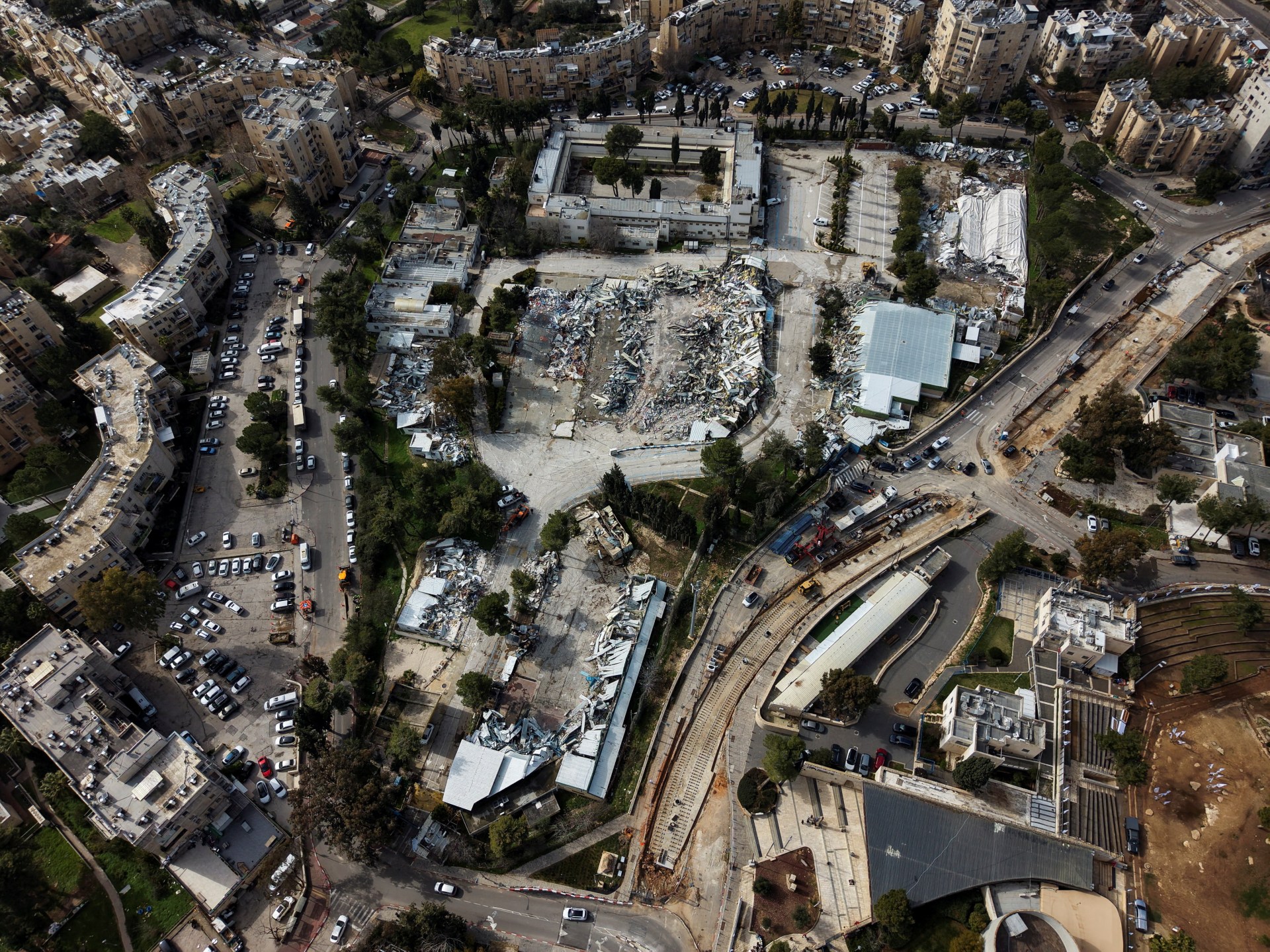
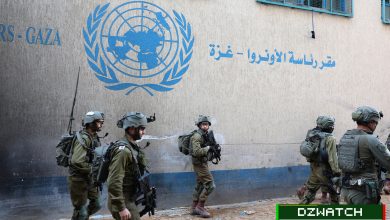
One year after the commencement of Operation ‘Iron Wall’ in Jenin, Palestinian refugees find themselves facing a precarious future. The anniversary coincides with escalating political and military actions targeting the United Nations Relief and Works Agency (UNRWA), the primary organization providing aid to Palestinian refugees. This confluence of events has deepened the sense of vulnerability among those displaced.
Amidst the rubble of homes in the West Bank and within overcrowded displacement centers, many Palestinians express concerns over what they perceive as a deliberate attempt to erase their identity through forced displacement and the systematic dismantling of international support structures. Reports indicate the closure of vital medical facilities and the disconnection of essential services, such as water and electricity, from numerous institutions in Jerusalem.
“We are victims of the same genocide occurring in Gaza, but without the same level of destruction,” stated Raed, a man in his late fifties, highlighting the shared suffering felt by Palestinians across different regions. He, along with others, find themselves unemployed and homeless following the military operation in the Jenin refugee camp. Officially, the operation aimed to dismantle armed groups, but the displacement of over 40,000 residents from Jenin and other camps has led to the construction of roads and demolition of homes.
“We only hear rumors about returning this week, or next month, or after a year. Nothing is clear,” lamented Hamoudi, a 28-year-old refugee, reflecting the uncertainty and anxiety that pervades the lives of those displaced. The recent actions targeting UNRWA headquarters are viewed not as mere administrative procedures, but as symbolic gestures, further undermining the agency’s ability to provide essential services to a population already struggling with immense hardship. The future for these refugees remains uncertain, overshadowed by ongoing conflict and diminishing international assistance.
2 Comments